What Are Macronutrients? Everything You Need to Know
Reviewed by Dr. Michael Torres, PhD
You’ve seen it everywhere. Fitness influencers tracking their macros. Friends talking about hitting their protein goals. Diet plans built around specific macro ratios. But what are macronutrients, really? And why does everyone seem obsessed with them?
Here’s the truth: understanding macros isn’t just another diet trend. It’s the foundation of how your body works. Whether you want to lose fat, build muscle, or simply feel better, grasping the basics of macronutrients will change how you think about food forever.
In this guide, you’ll learn exactly what macronutrients are, why each one matters, and how to use this knowledge to reach your goals. No science degree required. No complicated formulas. Just straightforward information you can actually use.
Ready to figure out your own macros? Skip ahead and use our free Macro Calculator to get your personalized numbers in 60 seconds.
What Are Macronutrients?
Let’s break this down simply. Macronutrients are nutrients your body needs in large amounts to function. The prefix “macro” literally means large—as opposed to micronutrients (vitamins and minerals), which you need in much smaller quantities.
There are three macronutrients:
- Protein
- Carbohydrates
- Fats
That’s it. Every food you eat is made up of some combination of these three building blocks. A chicken breast is mostly protein with some fat. An apple is mostly carbohydrates. Olive oil is pure fat. Most foods contain a mix of all three in varying amounts.
Here’s the key thing to understand: each macronutrient provides your body with energy, measured in calories. But they do it at different rates:
| Macronutrient | Calories per Gram |
|---|---|
| Protein | 4 calories |
| Carbohydrates | 4 calories |
| Fat | 9 calories |
This is called the 4-4-9 rule, and it’s foundational to understanding nutrition. Notice that fat has more than double the calories per gram compared to protein or carbs. This is why fatty foods are calorie-dense—not because fat is “bad,” but because a little goes a long way.
When people talk about “counting macros” or “tracking macros,” they’re simply monitoring how many grams of protein, carbs, and fat they eat each day. That’s all it is. No magic, no mystery—just paying attention to what makes up your food.
The Three Macronutrients: Protein, Carbs, and Fats
Now let’s dive into each macronutrient. Understanding what each one does will help you make smarter food choices—not because you’re following rules, but because you actually understand how food affects your body.
Protein
If your body were a construction site, protein would be the building materials. It’s the structural component of your muscles, organs, skin, hair, and nails. Every time you move, your muscles use protein. Every time you heal from an injury, protein repairs the damage.
What protein does:
- Builds and repairs muscle tissue
- Creates enzymes that drive chemical reactions in your body
- Produces hormones that regulate bodily functions
- Supports immune function
- Keeps you feeling full and satisfied after meals
How much you need: The standard recommendation is 0.8 grams per kilogram of body weight, but that’s the minimum to prevent deficiency. For anyone active, building muscle, or trying to lose fat while preserving muscle, the target is higher—typically 0.7 to 1 gram per pound of body weight.
For a 150-pound person, that’s 105-150 grams of protein per day.
Best protein sources:
Animal sources:
- Chicken breast
- Fish (salmon, tuna, cod)
- Eggs
- Greek yogurt
- Lean beef
- Turkey
Plant sources:
- Legumes (lentils, black beans, chickpeas)
- Tofu and tempeh
- Edamame
- Quinoa
- Seitan
The thermic effect: Here’s something cool about protein—your body burns more calories digesting it than any other macro. About 20-30% of protein’s calories are used just to process it. This is called the thermic effect of food, and it’s one reason high-protein diets are effective for fat loss.
Check out our Protein Guide for a complete deep-dive on protein.
Carbohydrates
Carbohydrates are your body’s preferred energy source. When you eat carbs, your body breaks them down into glucose (blood sugar), which powers everything from your brain function to your workouts. Your brain alone uses about 120 grams of glucose per day.
Despite their bad reputation in some diet circles, carbs aren’t the enemy. They’re fuel. The key is understanding the difference between types of carbs.
What carbohydrates do:
- Provide quick and sustained energy
- Fuel your brain and nervous system
- Support intense physical activity
- Spare protein from being used as energy (so it can build muscle instead)
- Provide fiber, which supports digestion and gut health
Simple vs. Complex Carbs:
Simple carbohydrates are quickly digested and absorbed. They spike your blood sugar rapidly. Think: sugar, candy, white bread, fruit juice.
Complex carbohydrates digest slower, providing more sustained energy. They typically contain more fiber and nutrients. Think: whole grains, vegetables, legumes, oats.
Neither is inherently “good” or “bad.” Simple carbs can be useful around workouts when you need quick energy. Complex carbs are better for sustained energy throughout the day.
Fiber—the special carb: Fiber is technically a carbohydrate, but your body can’t digest it for energy. Instead, it passes through your system, supporting digestive health, feeding beneficial gut bacteria, and helping you feel full. Most people don’t eat nearly enough fiber (aim for 25-38 grams daily).
Best carbohydrate sources:
- Oats and oatmeal
- Brown rice and quinoa
- Sweet potatoes
- Whole grain bread and pasta
- Fruits (berries, apples, bananas)
- Vegetables
- Legumes (beans, lentils)
Check out our Carbohydrates Guide for more on this macronutrient.
Fats
Fat is the most misunderstood macronutrient. For decades, we were told to avoid fat—and obesity rates skyrocketed. Turns out, fat isn’t the villain. It’s essential for survival, and getting enough of the right fats is crucial for health.
What fat does:
- Produces and regulates hormones (including testosterone and estrogen)
- Absorbs fat-soluble vitamins (A, D, E, K)
- Provides long-lasting energy
- Protects your organs
- Supports brain function (your brain is about 60% fat)
- Keeps you full and satisfied
Types of fat:
Unsaturated fats (the good stuff):
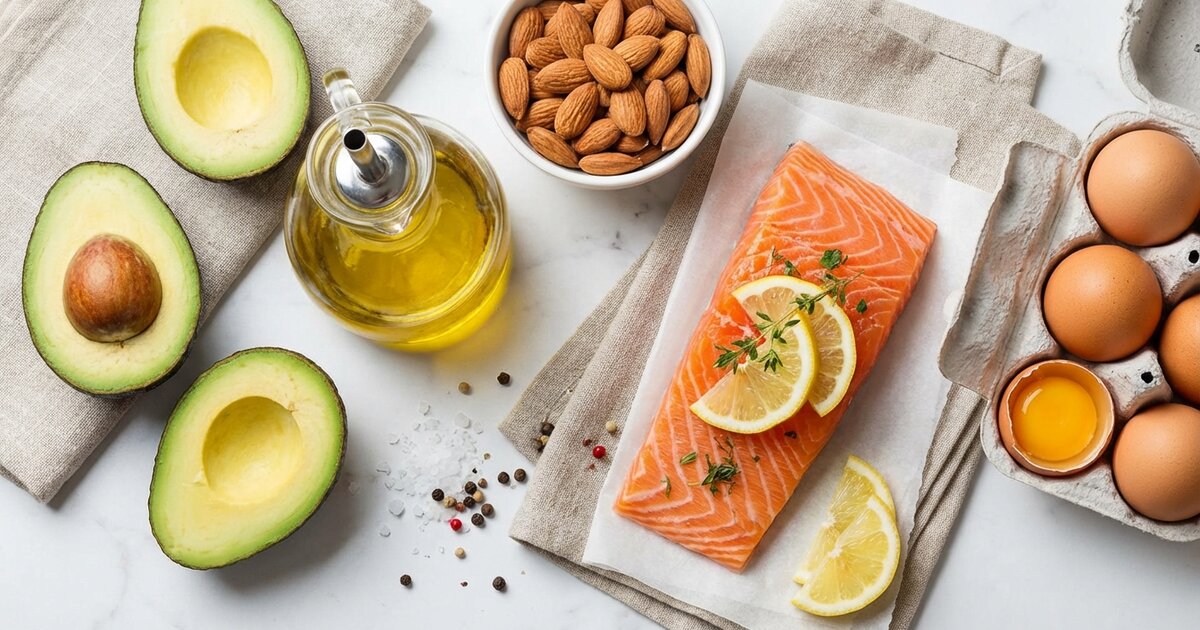
- Monounsaturated: Olive oil, avocados, nuts
- Polyunsaturated: Fatty fish, walnuts, flaxseed
- Omega-3s: A specific type of polyunsaturated fat with anti-inflammatory benefits
Saturated fats (moderate these): Found in meat, dairy, coconut oil. Not the villain they were made out to be, but best in moderation.
Trans fats (avoid these): Artificial trans fats (partially hydrogenated oils) are legitimately harmful. They’re mostly banned now, but check labels on processed foods.
Best fat sources:
- Olive oil and avocado oil
- Avocados
- Nuts (almonds, walnuts, cashews)
- Seeds (chia, flax, hemp)
- Fatty fish (salmon, mackerel, sardines)
- Eggs
- Dark chocolate (yes, really)
The hormone connection: This is especially important for women. Fat is essential for hormone production. Going too low on dietary fat can disrupt menstrual cycles, crush energy levels, and make weight loss harder, not easier. Don’t fear fat—embrace it strategically.
Check out our Healthy Fats Guide for the complete breakdown.
Why Do Macronutrients Matter?
Okay, so you know what macros are. But why should you care? Can’t you just eat “healthy” and call it a day?
You could. But here’s why understanding macros gives you an edge:
Energy and Performance
Different macros fuel different activities. Carbs power intense workouts. Fat fuels lower-intensity, longer-duration activity. Protein repairs the damage from training. When you understand this, you can time your nutrition to optimize performance.
An athlete crushing a HIIT session needs carbs. Someone walking for an hour can rely more on fat. Neither is better—they’re different tools for different jobs.
Body Composition
This is the big one. If you want to change how your body looks—lose fat, build muscle, or both—macros matter more than calories alone.
Two people can eat 1,800 calories and get completely different results. The person eating adequate protein will preserve muscle during a diet. The person skimping on protein will lose both fat and muscle, ending up “skinny fat.”
Your macro split determines whether you lose fat or muscle, whether you build a toned physique or just become a smaller version of your current shape.
Hormone Regulation
Your macros directly affect your hormones:
- Protein supports muscle-building hormones
- Fat produces sex hormones and regulates thyroid function
- Carbs influence insulin, cortisol, and thyroid hormones
Get your macros wrong, and you can tank your hormones—leading to low energy, stubborn fat, poor recovery, and mood issues.
Satiety and Hunger
Ever notice how some meals keep you full for hours while others leave you hungry in 45 minutes? That’s macros at work.
Protein is the most satiating macro. Fat comes second. Carbs alone (especially simple carbs) digest quickly and can spike hunger.
A meal of just toast (carbs)? You’ll be hungry again soon. Add eggs (protein) and avocado (fat)? You’re set for hours.
Understanding this lets you design meals that actually satisfy you—making dieting feel less like torture.
Long-Term Health
Beyond aesthetics and performance, macros affect long-term health outcomes:
- Adequate protein preserves muscle mass as you age (critical for longevity)
- Healthy fats reduce inflammation and support heart health
- Quality carbs and fiber support gut health and stable blood sugar
- The right balance reduces risk of metabolic disease
This isn’t about obsessing over numbers—it’s about understanding how food affects your body.
Macros vs Calories: What’s the Difference?
You’ve probably heard “calories in, calories out” as the weight loss formula. It’s not wrong—but it’s incomplete.
Calories are the total energy in food. They come from all three macronutrients.
Macros are where those calories come from.
Think of it this way: calories are your total budget, macros are how you spend it.
You could spend $100 on junk from a dollar store or invest in quality items. Same amount of money, very different outcomes.
Similarly, 1,500 calories of balanced macros (adequate protein, healthy fats, quality carbs) will produce different results than 1,500 calories of cookies. Same calories, drastically different effects on:
- Muscle preservation
- Energy levels
- Hunger and satiety
- Hormone function
- Body composition
This is why “just count calories” often fails. Yes, you need to manage total energy. But the source of that energy matters for how you look, feel, and perform.
Learn more in Macro Diet vs Keto for a full comparison of different approaches.
How to Calculate Your Macros
Ready to figure out your numbers? Here’s the simplified process:
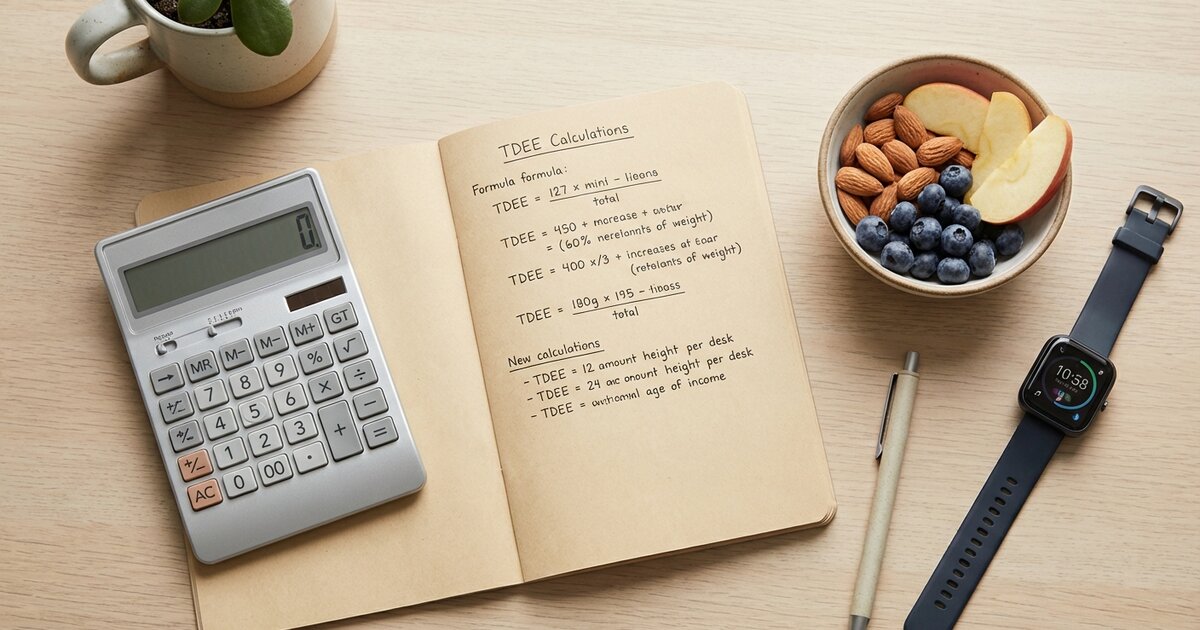
Step 1: Find Your Maintenance Calories (TDEE)
Your Total Daily Energy Expenditure (TDEE) is how many calories you burn in a day. It’s based on:
- Your Basal Metabolic Rate (BMR)—calories burned at rest
- Your activity level—exercise and daily movement
There are formulas for this (Mifflin-St Jeor is the gold standard), but the easiest method is using a macro calculator.
Step 2: Set Your Goal-Based Calories
- Fat loss: Subtract 300-500 calories from TDEE
- Maintenance: Eat at TDEE
- Muscle gain: Add 200-500 calories to TDEE
Step 3: Determine Your Macro Split
There’s no single “best” ratio—it depends on your goals. But here are common starting points:
| Goal | Protein | Carbs | Fat |
|---|---|---|---|
| Fat Loss | 40% | 30% | 30% |
| Maintenance | 30% | 40% | 30% |
| Muscle Gain | 30% | 45% | 25% |
Or you can set macros by body weight:
- Protein: 0.8-1g per pound
- Fat: 0.3-0.4g per pound
- Carbs: Fill remaining calories
Step 4: Convert to Grams
Use the 4-4-9 rule to convert percentages to grams based on your calorie target.
Example: 1,800 calorie fat loss diet (40/30/30 split)
- Protein: 40% of 1,800 = 720 calories ÷ 4 = 180g protein
- Carbs: 30% of 1,800 = 540 calories ÷ 4 = 135g carbs
- Fat: 30% of 1,800 = 540 calories ÷ 9 = 60g fat
Skip the math: Our Macro Calculator does all this instantly. Plug in your details, get your numbers in 60 seconds.
See How to Track Your Macros for a detailed walkthrough.
How to Track Your Macros
Knowing your numbers is step one. Actually hitting them requires tracking. Here’s how to do it without losing your mind.
Use a Tracking App
Don’t try to do this with pen and paper. Apps make tracking infinitely easier:
- MyFitnessPal — Huge food database, barcode scanner
- Cronometer — More accurate, cleaner interface
- MacroFactor — Premium option with smart adjustments
- LoseIt — Simple and beginner-friendly
Pick one, stick with it. They all work.
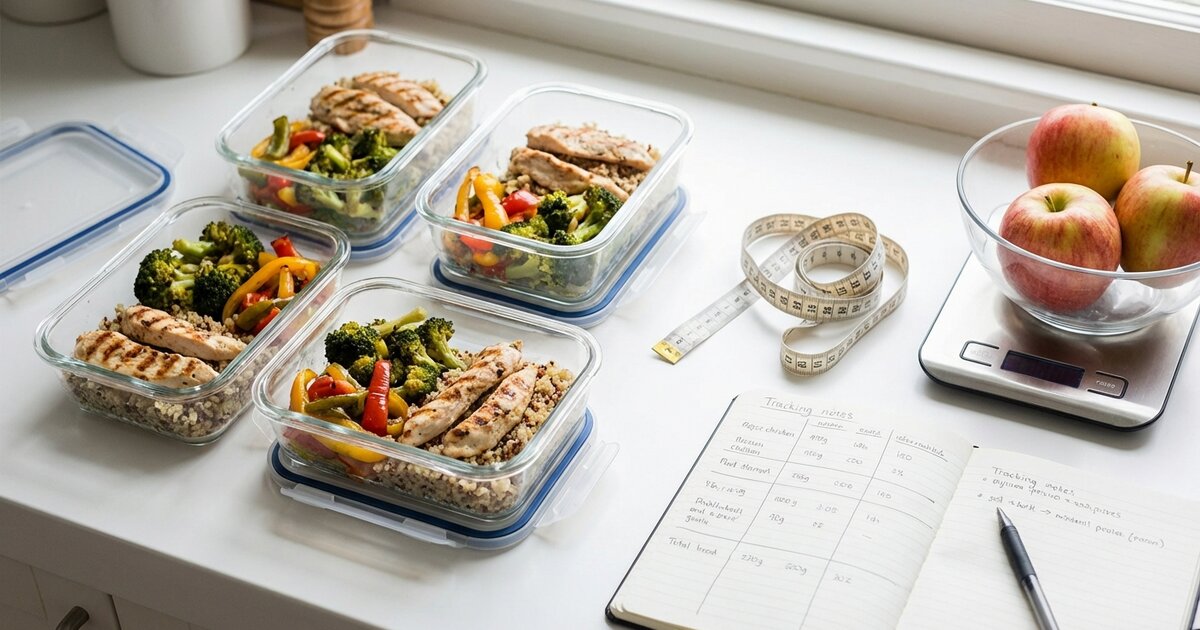
Get a Food Scale
This is the $15 investment that changes everything. Eyeballing portions is wildly inaccurate—most people underestimate by 20-50%.
You don’t need to weigh food forever. But doing it for a few weeks builds awareness you’ll carry for life.
Meal Prep for Success
Tracking is 10x easier when you control your food:
- Batch cook proteins on Sunday
- Prep vegetables in advance
- Have go-to meals you know the macros for
- Pack lunches instead of relying on restaurants
Common Tracking Mistakes
- Forgetting oils and sauces — These add up fast
- Not tracking drinks — Lattes, smoothies, alcohol all count
- Estimating instead of weighing — At least in the beginning, weigh
- Aiming for perfection — Within 5-10g is good enough
Check out How to Track Your Macros for the complete tracking guide.
Frequently Asked Questions About Macronutrients
Do I need to track all three macros?
For best results, yes—at least initially. But if you’re overwhelmed, prioritize protein. It’s the most impactful macro for body composition, and most people under-eat it. Get protein right first, then dial in carbs and fats.
What’s the best macro ratio?
There’s no universal best. It depends on your goals, activity level, and preferences. A good starting point for fat loss is 40% protein, 30% carbs, 30% fat. But someone very active might do better with more carbs. Someone who loves avocados might prefer more fat. Experiment and find what works for you.
Can I eat whatever I want if it fits my macros?
Technically, yes—this is the IIFYM (If It Fits Your Macros) philosophy. And it works for body composition. But for health, energy, and feeling good? Food quality still matters.
Aim for 80% whole, nutrient-dense foods. The other 20% can be whatever you enjoy. This keeps the diet sustainable without obsessing over “clean eating.”
Are macros the same for men and women?
The principles are the same, but the numbers differ. Women generally need fewer calories and may do better with slightly higher fat for hormone support. Men typically need more protein and calories due to more muscle mass. Both sexes benefit from understanding macros—the application just varies.
See Macros for Women for gender-specific guidance.
How do I know if my macros are working?
Give any macro setup 2-3 weeks before judging. Then look at:
- Scale weight (weekly averages, not daily)
- Measurements (waist, hips, etc.)
- Progress photos
- Energy levels
- Hunger and satiety
- Workout performance
If things are moving in the right direction, stay the course. If not, adjust by 100-200 calories and reassess.
Do I need to track macros forever?
No. Tracking is a learning tool, not a life sentence. Most people track actively for 3-6 months, build intuition, then can maintain results with occasional check-ins. The goal is awareness, not obsession.
Your Macro Journey Starts Here
Macronutrients aren’t complicated. They’re simply the three building blocks of food—protein, carbohydrates, and fats—each serving essential functions in your body.
Understanding macros gives you control. You’re no longer blindly following diet rules or hoping for the best. You know why certain approaches work and can customize your nutrition to fit your goals, your lifestyle, and your preferences.
Here’s what to remember:
- Protein builds and repairs—prioritize it
- Carbs provide energy—use them strategically
- Fat supports hormones and health—don’t fear it
- Balance is key—extremes rarely work long-term
Macros are a tool, not a religion. Use them to inform your choices, not control your life.
Ready to get started? Use our Macro Calculator — Get your personalized macro targets in 60 seconds. It’s free, takes a minute, and gives you a clear starting point.
Want to go deeper? Check out these guides:
- Macros for Weight Loss — Optimize your macros for fat loss
- Macros for Muscle Gain — Build lean muscle with optimal nutrition
- Counting Macros for Beginners — The complete starter guide
Your nutrition doesn’t have to be complicated. It just has to be intentional. Now you know enough to make it work.
Disclaimer: This content is for informational purposes only. Consult a healthcare provider before making changes to your diet.