Asparagus Macros: Complete Nutrition Facts & Calories
Reviewed by Dr. Michael Torres, PhD
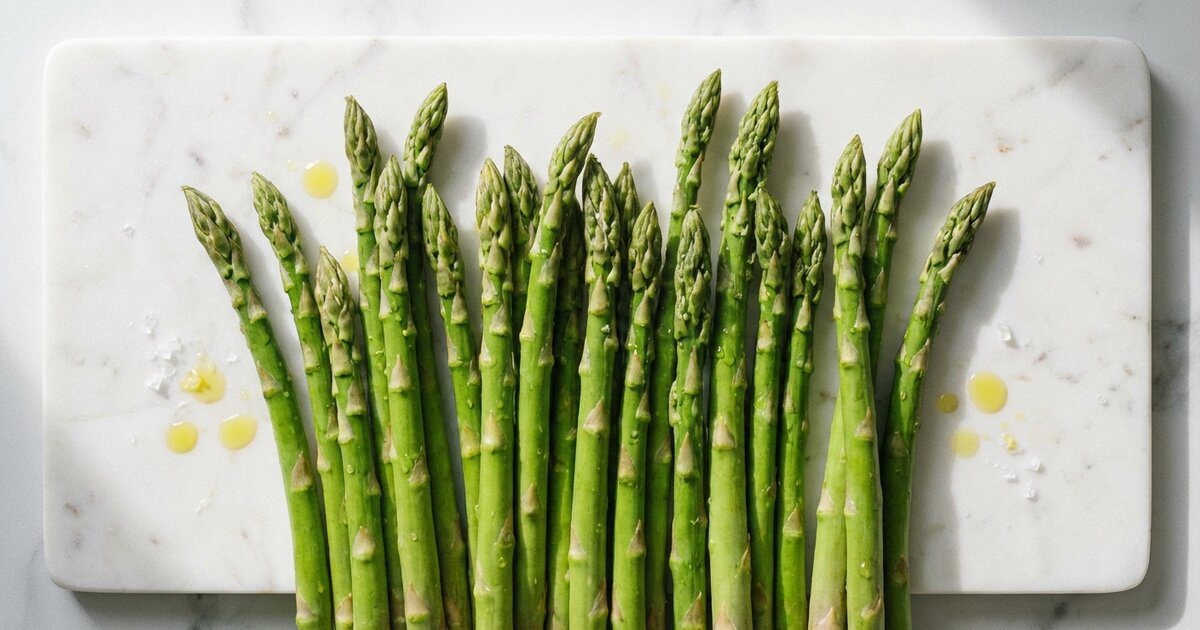
Asparagus is a premium low-carb vegetable—just 27 calories and 2.4 net carbs per cup with a delicious, distinctive flavor. It’s a keto favorite, pairs perfectly with protein, and delivers impressive nutrients for minimal macro impact.
This guide covers asparagus macros so you can enjoy this elegant vegetable confidently.
Asparagus Macros: Quick Reference
Here’s the complete asparagus nutrition breakdown:
| Serving | Calories | Protein | Carbs | Fiber | Net Carbs |
|---|---|---|---|---|---|
| 1 cup raw (134g) | 27 | 2.9g | 5.2g | 2.8g | 2.4g |
| 1 cup cooked (180g) | 40 | 4.3g | 7.4g | 3.6g | 3.8g |
| 5 spears (75g) | 15 | 1.6g | 2.9g | 1.6g | 1.3g |
| 100g raw | 20 | 2.2g | 3.9g | 2.1g | 1.8g |
| 1 lb raw (454g) | 91 | 9.8g | 17.6g | 9.5g | 8.1g |
Key insight: Asparagus is extremely low-carb with decent protein for a vegetable.
Asparagus vs. Other Vegetables
| Vegetable (1 cup) | Calories | Net Carbs | Protein |
|---|---|---|---|
| Asparagus | 27 | 2.4g | 2.9g |
| Broccoli | 31 | 3.6g | 2.6g |
| Spinach | 7 | 0.4g | 0.9g |
| Green beans | 31 | 3.4g | 1.8g |
| Cauliflower | 27 | 2.8g | 2.1g |
| Brussels sprouts | 38 | 4.6g | 3g |
Asparagus is among the lowest-carb cooked vegetables with higher protein than most.
Understanding Macronutrients
Asparagus is a low-carb, low-calorie vegetable. To understand how it fits your nutrition plan, learn about what macronutrients are.
How Asparagus Fits Different Diets
Keto and Low-Carb
Asparagus is a keto superstar:
- 2.4g net carbs per cup raw
- Elegant side dish for fatty proteins
- Works grilled, roasted, or sautéed
- Won’t kick you out of ketosis
Calorie Deficit / Weight Loss
Asparagus is perfect for volume eating:
- 27 calories per cup
- High fiber fills you up
- Impressive on the plate
- Pairs with lean proteins
High-Protein Meals
Asparagus complements protein well:
- Classic pairing with steak
- Wrapped in bacon
- Served with salmon
- Adds color and nutrition without carbs
Flexible Dieting
Asparagus fits flexible dieting as an almost-free vegetable—the calories are so low you can eat generously.
Cooking Method Impact on Macros
| Preparation (1 cup) | Calories | Added Fat |
|---|---|---|
| Raw | 27 | 0g |
| Steamed | 40 | 0g |
| Grilled (no oil) | 40 | 0g |
| Roasted (1 tbsp oil) | 160 | 14g |
| Sautéed (1 tbsp butter) | 140 | 12g |
Watch the fat: Asparagus absorbs oil well. Roasting with oil significantly increases calories.
Meal Ideas with Asparagus
Keto Steak Dinner (500 cal, 45g protein, 4g carbs, 34g fat)
- 6 oz ribeye steak
- 1 cup roasted asparagus (with 1 tsp oil)
- Side salad
Protein-Packed Lunch (320 cal, 38g protein, 8g carbs, 14g fat)
Bacon-Wrapped Asparagus (180 cal, 8g protein, 3g carbs, 14g fat)
- 10 asparagus spears
- 4 slices bacon
- Roast until bacon is crispy
Light Asparagus Salad (120 cal, 6g protein, 8g carbs, 7g fat)
- 1 cup blanched asparagus
- 1 oz shaved parmesan
- Lemon vinaigrette
- Cherry tomatoes
Asparagus with Salmon (380 cal, 42g protein, 4g carbs, 20g fat)
- 6 oz salmon fillet
- 1 cup asparagus
- Lemon, dill
- 1 tsp olive oil
Calculate Your Macros
Use our macro calculator to determine your daily targets, then add asparagus freely as a low-carb vegetable.
Asparagus Nutrition Beyond Macros
Asparagus is micronutrient-dense:
| Nutrient | Per Cup Raw | % Daily Value |
|---|---|---|
| Folate | 70mcg | 17% |
| Vitamin K | 56mcg | 47% |
| Vitamin A | 51mcg | 6% |
| Vitamin C | 7.5mg | 8% |
| Iron | 2.9mg | 16% |
Plus: Contains inulin (prebiotic fiber) supporting gut health.
Fresh vs. Frozen vs. Canned
| Form | Calories (1 cup) | Notes |
|---|---|---|
| Fresh | 27 | Best flavor and texture |
| Frozen | 27 | Good quality, convenient |
| Canned | 30 | Higher sodium, soft texture |
Frozen is fine: Frozen asparagus works well for cooking (not ideal raw). Fresh is best for grilling and roasting.
Asparagus Selection and Storage
Buying Tips
- Look for firm, bright green spears
- Tips should be tight, not flowering
- Avoid wilted or slimy stalks
- Thick vs thin is preference (same nutrition)
Storage
- Refrigerate standing in water (like flowers)
- Or wrap ends in damp paper towel
- Use within 3-4 days
- Can freeze blanched asparagus for 8-10 months
Preparation
- Snap off woody ends (they break naturally at right point)
- Or cut 1-2 inches from bottom
- Peeling thick stalks is optional
Cooking Tips for Best Macros
Lowest Calorie
- Steam for 3-4 minutes
- Grill with cooking spray
- Roast without oil (still good)
Best Flavor (Some Added Fat)
- Roast with 1 tsp olive oil per cup
- Grill with light oil brushing
- Sauté in butter with garlic
Don’t Overcook
- Asparagus should be bright green and crisp-tender
- Overcooked = mushy and gray-green
- 3-5 minutes is usually enough
Common Asparagus Questions
Why Is Asparagus So Expensive?
Asparagus is labor-intensive to harvest (picked by hand), has a short season (spring), and doesn’t store long. Prices drop in April-June when it’s in season.
Is White Asparagus Different?
White asparagus is the same vegetable grown without light. It’s milder and slightly different in texture but has similar macros. Common in European cuisine.
Can I Eat the Whole Stalk?
The top and middle portions are tender. The bottom 1-2 inches are often woody and tough. Snap them off or cut them—they’ll naturally break at the right point.
Does Asparagus Have Negative Calories?
No food truly has negative calories, but asparagus is close. At 27 calories per cup with digestion requiring some energy, the net caloric impact is extremely low.
Is Purple Asparagus Healthier?
Purple asparagus has anthocyanins (same antioxidants as blueberries). Macros are similar. It turns green when cooked—eat raw to preserve the purple color.
Final Thoughts
Asparagus is a macro tracker’s dream vegetable:
- 27 calories per cup—essentially free
- 2.4g net carbs—perfect for keto
- Decent protein—2.9g (high for vegetables)
- Impressive presentation—makes meals feel fancy
It pairs beautifully with proteins, requires minimal prep, and delivers significant nutrients for almost no caloric cost. Whether you’re grilling for a dinner party or meal prepping for the week, asparagus earns its spot as a premium low-carb vegetable.
Related Articles
Dragonfruit Macros: Complete Nutrition Guide for Pitaya
Complete macro breakdown of dragonfruit (pitaya). Learn the calories, protein, carbs, and...
Read guide →
Bulgur Macros: Complete Nutritional Guide & Health Benefits
Discover bulgur's complete macro breakdown, nutritional benefits, and how to incorporate...
Read guide →
Radish Macros: Nutrition Facts and Health Benefits
Complete guide to radish macros and nutrition. Learn calories, protein, carbs, and health...
Read guide →Note: Nutrition values are approximate and may vary based on preparation method and source.