Broccoli Macros: Complete Nutrition Facts & Calories
Reviewed by Jessica Williams, CPT, CSCS
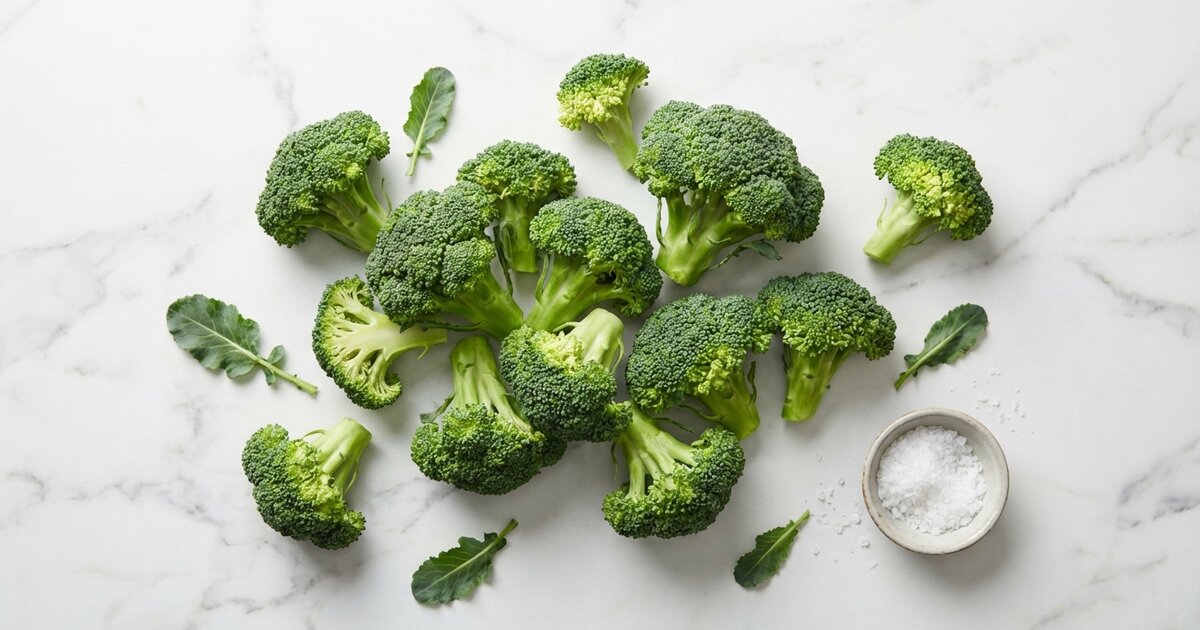
Broccoli might be the most macro-friendly vegetable on the planet. It’s absurdly low in calories, surprisingly high in protein for a vegetable, loaded with fiber, and packed with vitamins and minerals. If you’re counting macros, broccoli is basically a free food you can eat in unlimited quantities.
But “just eat more broccoli” doesn’t help if you don’t know the numbers. This guide breaks down broccoli macros in detail—exact values for different preparations, how cooking methods affect nutrition, and how to make broccoli work harder in your diet.

Related: Learn more about what macros are and how they impact your diet.
Broccoli Macros: Quick Reference
Here’s what you need to know at a glance. Broccoli is almost pure nutrition with minimal caloric impact.
Raw Broccoli
| Serving | Calories | Protein | Carbs | Fat | Fiber |
|---|---|---|---|---|---|
| 100g | 34 | 2.8g | 7g | 0.4g | 2.6g |
| 1 cup chopped (91g) | 31 | 2.5g | 6g | 0.3g | 2.4g |
| 1 cup florets (71g) | 24 | 2g | 5g | 0.3g | 1.8g |
| 1 medium stalk (148g) | 50 | 4.1g | 10g | 0.6g | 3.8g |
| 1 large head (608g) | 207 | 17g | 43g | 2.4g | 15.8g |
Steamed Broccoli
| Serving | Calories | Protein | Carbs | Fat | Fiber |
|---|---|---|---|---|---|
| 100g | 35 | 2.4g | 7g | 0.4g | 3.3g |
| 1 cup (156g) | 55 | 3.7g | 11g | 0.6g | 5.1g |
Roasted Broccoli (No Oil)
| Serving | Calories | Protein | Carbs | Fat | Fiber |
|---|---|---|---|---|---|
| 100g | 38 | 2.5g | 8g | 0.5g | 3g |
| 1 cup | 54 | 3.5g | 11g | 0.7g | 4.2g |
The bottom line: No matter how you prepare it, plain broccoli has approximately 30-40 calories per 100g. The variation between raw, steamed, and roasted is negligible.
Why Broccoli Is the Ultimate Diet Food
Let’s put broccoli’s macros in perspective:
Calorie Density Comparison
| Food | Calories per 100g | To Eat 500 Calories |
|---|---|---|
| Broccoli | 34 | 1.5 kg (3.3 lbs) |
| Chicken breast | 165 | 303g |
| Rice (cooked) | 130 | 385g |
| Bread | 265 | 189g |
| Peanut butter | 588 | 85g |
You would need to eat over 3 pounds of broccoli to consume 500 calories. This makes broccoli invaluable for:
- Volume eating — Fill your plate without filling your calorie budget
- Staying full — Fiber and volume trigger satiety signals
- Hitting fiber goals — Most people don’t get enough fiber
The “Free Food” Concept
Many macro trackers consider broccoli a “free food”—something you don’t need to log because the caloric impact is so small and the benefits so high.
Should you track broccoli?
- Cutting aggressively: Yes, track everything
- Moderate deficit: Optional, but be honest about added fats
- Maintenance/bulking: Usually not necessary
The real danger isn’t the broccoli—it’s the butter, cheese, or oil you might add.
Raw vs. Cooked Broccoli
Cooking changes broccoli’s texture and slightly affects nutrition, but the macro impact is minimal.
Weight Changes During Cooking
Unlike meat or rice, broccoli doesn’t dramatically change weight when cooked:
- Steaming: Retains most water, similar weight
- Roasting: Loses some water, slightly concentrates
- Boiling: Can absorb water, slightly heavier
Nutrient Considerations
| Cooking Method | Vitamin C Retention | Macro Impact |
|---|---|---|
| Raw | 100% | Baseline |
| Steaming (3-5 min) | 80-90% | Minimal |
| Microwaving | 75-85% | Minimal |
| Roasting | 60-70% | Minimal |
| Boiling | 50-60% | Minimal |
Key insight: Light steaming preserves the most nutrients while maintaining pleasant texture. Avoid boiling, which leaches vitamins into the water.
Best Tracking Approach
Since the macro difference between raw and cooked is minimal (34 vs 35 calories per 100g), use whichever entry matches how you measured:
- Weighed raw → Log as raw
- Weighed cooked → Log as steamed/cooked
Don’t stress about this—a few calories either way is insignificant.

Broccoli Preparations and Their Macros
Here’s where things get interesting—and where tracking errors happen. Plain broccoli is nearly calorie-free, but preparations can add significant macros.
Plain Steamed (No Additions)
| Serving | Calories | Protein | Carbs | Fat |
|---|---|---|---|---|
| 1 cup | 55 | 3.7g | 11g | 0.6g |
| 2 cups | 110 | 7.4g | 22g | 1.2g |
The baseline. Pure broccoli, zero added calories.
Steamed with Butter
| Serving | Calories | Protein | Carbs | Fat |
|---|---|---|---|---|
| 1 cup + 1 tsp butter | 89 | 3.7g | 11g | 4.4g |
| 1 cup + 1 tbsp butter | 157 | 3.7g | 11g | 12g |
The butter trap: A tablespoon of butter nearly triples the calories. This is often how “healthy” restaurant vegetables become calorie bombs.
Roasted with Olive Oil
| Serving | Calories | Protein | Carbs | Fat |
|---|---|---|---|---|
| 1 cup + 1 tsp oil | 94 | 3.5g | 11g | 5.2g |
| 1 cup + 1 tbsp oil | 174 | 3.5g | 11g | 14.6g |
Macro-friendly roasting: Use cooking spray instead of oil. You’ll get similar crispiness with minimal added fat.
Broccoli with Cheese Sauce
| Serving | Calories | Protein | Carbs | Fat |
|---|---|---|---|---|
| 1 cup + 2 tbsp cheese sauce | 155 | 6g | 14g | 9g |
| 1 cup + 1/4 cup cheese sauce | 205 | 8g | 16g | 13g |
Restaurant broccoli with cheese can easily exceed 200 calories per cup.
Broccoli Stir-Fry
| Typical Restaurant Serving | Calories | Protein | Carbs | Fat |
|---|---|---|---|---|
| Broccoli beef (1.5 cups) | 300-400 | 20g | 15g | 20g |
| Garlic broccoli (1 cup) | 150-200 | 4g | 12g | 12g |
Why so high? Restaurants use liberal amounts of oil in stir-fries. Home-cooked versions with controlled oil can cut calories by 50%.
Frozen Broccoli (Prepared Per Package)
| Type | Calories per Cup | Notes |
|---|---|---|
| Plain frozen | 55 | Same as fresh |
| With cheese sauce | 90-120 | Added dairy, sodium |
| With butter sauce | 70-90 | Added butter, sodium |
| Steamable bags | 55 | Usually plain |
Recommendation: Buy plain frozen broccoli and add your own seasonings. Sauced versions cost more and add hidden calories.
Broccoli and Different Diets
Keto/Low-Carb
Broccoli is one of the best keto vegetables:
Net carbs per cup: 4g (6g total - 2g fiber)
You can eat generous portions:
| Amount | Net Carbs |
|---|---|
| 1 cup | 4g |
| 2 cups | 8g |
| 3 cups | 12g |
On a 20g net carb limit, you could eat 5 cups of broccoli and still have room for other foods.
Keto broccoli ideas:
- Roasted with parmesan
- Mashed broccoli (like cauliflower mash)
- Broccoli cheese soup
- Broccoli with hollandaise
Weight Loss/Cutting
Broccoli is your secret weapon during a cut:
Volume-maximizing strategy:
- Fill half your plate with broccoli
- Eat it first to trigger satiety
- Only 50-60 calories for a large portion
1,500 calorie day example:
| Meal | Broccoli | Calories from Broccoli |
|---|---|---|
| Lunch | 1.5 cups | 83 |
| Dinner | 2 cups | 110 |
| Total | 3.5 cups | 193 |
You’ve eaten nearly a pound of food for under 200 calories, plus 9g fiber.
High-Protein Diet
Broccoli has more protein than most vegetables:
Protein per calorie comparison:
| Vegetable | Protein per 100 cal |
|---|---|
| Broccoli | 8.2g |
| Spinach | 12g |
| Asparagus | 11g |
| Carrots | 2.3g |
| Corn | 3g |
While you won’t hit protein goals with broccoli alone, it contributes meaningfully:
- 3.5 cups broccoli = 13g protein
- That’s equivalent to adding almost 2 oz of chicken breast
Bulking/Muscle Gain
Even when bulking, broccoli serves important purposes:
- Micronutrients — Vitamin C, K, folate, potassium
- Fiber — Digestive health during high-calorie eating
- Volume — Balances calorie-dense meals
Bulking tip: Don’t skip vegetables just because you need calories. Add broccoli to high-calorie meals for balance and satiety.
Broccoli vs. Similar Vegetables
How does broccoli compare to other popular vegetables?
Per 100g Raw
| Vegetable | Calories | Protein | Carbs | Fiber | Vitamin C |
|---|---|---|---|---|---|
| Broccoli | 34 | 2.8g | 7g | 2.6g | 89mg |
| Cauliflower | 25 | 2g | 5g | 2g | 48mg |
| Brussels sprouts | 43 | 3.4g | 9g | 3.8g | 85mg |
| Asparagus | 20 | 2.2g | 4g | 2.1g | 5.6mg |
| Green beans | 31 | 1.8g | 7g | 2.7g | 12mg |
| Spinach | 23 | 2.9g | 3.6g | 2.2g | 28mg |
| Kale | 49 | 4.3g | 9g | 3.6g | 120mg |
Broccoli advantages:
- Highest vitamin C after kale
- Good protein for a vegetable
- Mild flavor most people enjoy
- Extremely versatile in cooking
When to choose alternatives:
- Cauliflower — Lower carb, better for mashing
- Kale — Higher protein, more vitamin C
- Spinach — Lower everything, disappears when cooked
Meal Ideas with Broccoli
High-Volume, Low-Calorie Meals
Broccoli rice bowl:
| Ingredient | Calories |
|---|---|
| 2 cups riced broccoli | 70 |
| 4 oz chicken breast | 187 |
| 1 tbsp soy sauce | 10 |
| Total | 267 |
Broccoli “fried rice”:
| Ingredient | Calories |
|---|---|
| 1.5 cups riced broccoli | 52 |
| 2 eggs, scrambled | 140 |
| 1/4 cup peas | 30 |
| 1 tsp sesame oil | 40 |
| Total | 262 |
Protein-Paired Meals
Lemon garlic broccoli + salmon:
| Ingredient | Calories | Protein |
|---|---|---|
| 1.5 cups steamed broccoli | 83 | 5.5g |
| 6 oz salmon | 367 | 40g |
| 1 tsp olive oil | 40 | 0g |
| Lemon, garlic | 5 | 0g |
| Total | 495 | 45.5g |
Broccoli beef stir-fry (homemade):
| Ingredient | Calories | Protein |
|---|---|---|
| 2 cups broccoli | 68 | 5.6g |
| 5 oz sirloin | 225 | 35g |
| 1 tbsp oyster sauce | 20 | 0.5g |
| 1 tsp oil | 40 | 0g |
| Garlic, ginger | 10 | 0g |
| Total | 363 | 41g |
Soup and Purees
Broccoli soup (low-calorie):
| Ingredient | Calories |
|---|---|
| 3 cups broccoli | 102 |
| 1 cup chicken broth | 15 |
| 1/4 cup onion | 15 |
| Garlic, herbs | 5 |
| Total (2 servings) | ~70 each |
Cream of broccoli (moderate):
| Ingredient | Calories |
|---|---|
| 3 cups broccoli | 102 |
| 1/2 cup half-and-half | 160 |
| 1 cup chicken broth | 15 |
| 1/4 cup cheddar | 110 |
| Total (2 servings) | ~195 each |

Meal Prep with Broccoli
Batch Cooking Methods
Blanched broccoli (best for meal prep):
- Boil water with salt
- Add broccoli florets, cook 2 minutes
- Transfer to ice bath immediately
- Drain and store
Storage: 4-5 days refrigerated, 3 months frozen
Why blanching works best:
- Preserves bright green color
- Stops enzyme activity
- Maintains texture when reheated
- Reheats better than steamed
Meal Prep Portions
Pre-portioned servings:
- 1 cup portions for side dishes (~55 cal)
- 2 cup portions for high-volume meals (~110 cal)
Weekly prep:
- Buy 2-3 lbs broccoli crowns or 2-3 bags frozen
- Prep Sunday, use through Thursday
- Freeze extra if needed
Quick Reheating Tips
| Method | Time | Best For |
|---|---|---|
| Microwave | 1-2 min | Speed |
| Pan sauté | 3-4 min | Adding flavor |
| Oven | 10-15 min | Roasted texture |
| Air fryer | 5-7 min | Crispy edges |
Common Tracking Mistakes
Mistake #1: Not Tracking Added Fats
Plain broccoli: 55 calories per cup Broccoli at restaurant: 150-200 calories per cup
Fix: Always log added butter, oil, or sauces separately.
Mistake #2: Overestimating Restaurant Portions
That “side of broccoli” at a restaurant might only be 1/2 cup—much smaller than it looks on a plate.
Fix: Learn to estimate visually. 1 cup of broccoli florets is about the size of a baseball.
Mistake #3: Ignoring Frozen Sauced Varieties
“Broccoli with cheese sauce” isn’t the same as plain broccoli + cheese you add yourself.
Fix: Check nutrition labels on frozen varieties. Plain frozen is usually best.
Mistake #4: Being Too Precise
Broccoli has so few calories that obsessing over exact amounts is counterproductive.
Fix: Estimate within reason. If you’re eating steamed broccoli as a side, ±50 calories won’t affect your progress.
Beyond Macros: Broccoli’s Nutritional Power
Per 1 cup steamed (156g):
| Nutrient | Amount | % Daily Value |
|---|---|---|
| Vitamin C | 101mg | 112% |
| Vitamin K | 116mcg | 97% |
| Folate | 94mcg | 24% |
| Vitamin A | 567 IU | 11% |
| Potassium | 457mg | 10% |
| Fiber | 5.1g | 18% |
Notable compounds:
- Sulforaphane — Studied for potential cancer-fighting properties
- Kaempferol — Anti-inflammatory flavonoid
- Quercetin — Antioxidant linked to heart health
The Bottom Line
Broccoli is the ultimate macro-friendly vegetable:
- 34 calories per 100g — Essentially a free food
- 2.8g protein — High for a vegetable
- 2.6g fiber — Keeps you full
- Zero fat — Pure nutrition
Key tracking rules:
- Plain broccoli barely needs tracking
- Always log added fats (butter, oil, cheese)
- Use it to add volume and satiety to any meal
- Don’t overthink the raw vs. cooked difference
Whether you’re cutting aggressively or just trying to eat healthier, broccoli should be a staple. Fill your plate, hit your fiber goals, and enjoy the volume without the calorie guilt.
Related guides:
Related Articles
Dragonfruit Macros: Complete Nutrition Guide for Pitaya
Complete macro breakdown of dragonfruit (pitaya). Learn the calories, protein, carbs, and...
Read guide →
Bulgur Macros: Complete Nutritional Guide & Health Benefits
Discover bulgur's complete macro breakdown, nutritional benefits, and how to incorporate...
Read guide →
Radish Macros: Nutrition Facts and Health Benefits
Complete guide to radish macros and nutrition. Learn calories, protein, carbs, and health...
Read guide →Note: Nutrition values are approximate and may vary based on preparation method and source.