Cheese Macros: Complete Nutrition Facts & Calories
Reviewed by Dr. Michael Torres, PhD
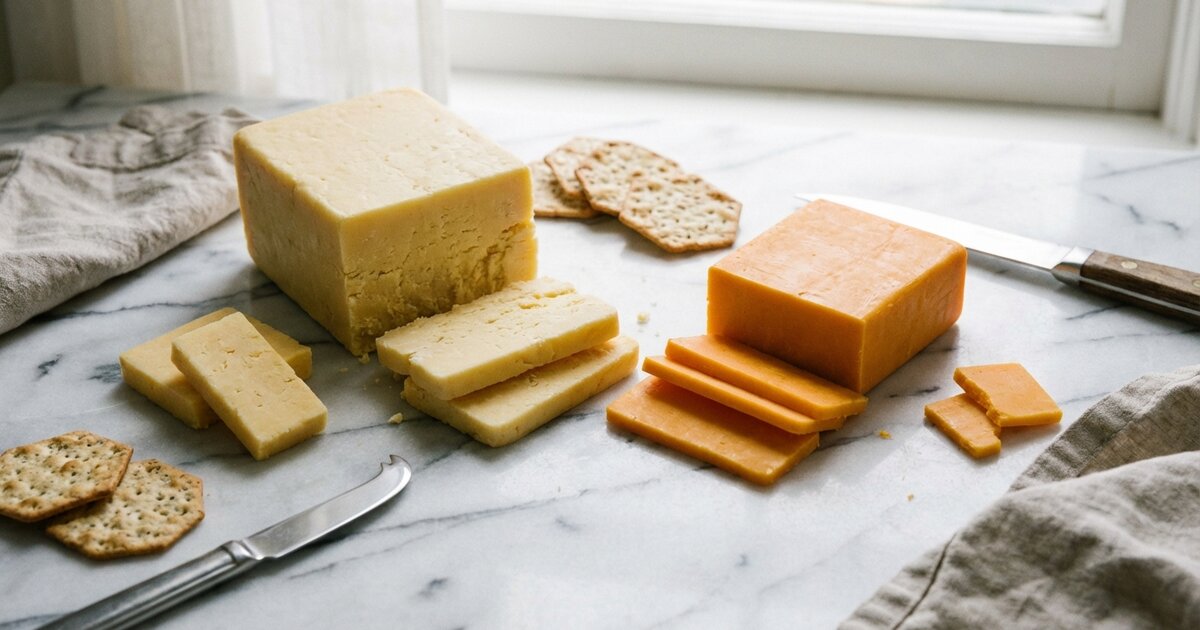
Cheese is a macro tracker’s double-edged sword. On one hand, it’s high in protein, low in carbs, and adds incredible flavor to meals. On the other hand, those calories add up fast—a few mindless slices can easily hit 300-400 calories.
Understanding cheese macros helps you enjoy this delicious food strategically. This guide covers every popular cheese variety so you can track accurately and fit cheese into any diet approach.
Cheese Macros: Quick Reference by Type
Here’s the macro breakdown for one ounce (28g) of popular cheeses:
| Cheese Type | Calories | Protein | Carbs | Fat |
|---|---|---|---|---|
| Cheddar | 113 | 7g | 0.4g | 9g |
| Mozzarella | 85 | 6g | 0.6g | 6g |
| Swiss | 108 | 8g | 1.5g | 8g |
| Parmesan | 110 | 10g | 0.9g | 7g |
| Brie | 95 | 6g | 0.1g | 8g |
| Feta | 75 | 4g | 1.2g | 6g |
| Gouda | 101 | 7g | 0.6g | 8g |
| Provolone | 100 | 7g | 0.6g | 8g |
| American | 96 | 5g | 1.8g | 8g |
| Cream cheese | 99 | 2g | 1.6g | 10g |
Key insight: Most cheeses cluster around 100-115 calories per ounce, with 6-8g protein. Parmesan is the protein king; cream cheese is almost all fat.
Cheddar Cheese Macros (Most Popular)
| Serving | Calories | Protein | Carbs | Fat |
|---|---|---|---|---|
| 1 oz (28g) | 113 | 7g | 0.4g | 9g |
| 1 slice (21g) | 85 | 5g | 0.3g | 7g |
| 1 cup shredded (113g) | 455 | 28g | 1.5g | 37g |
| 100g | 403 | 25g | 1.3g | 33g |
Cheddar is the benchmark cheese for macro tracking. Sharp, mild, aged—the macros are nearly identical across types.
Mozzarella Macros
| Serving | Calories | Protein | Carbs | Fat |
|---|---|---|---|---|
| 1 oz (28g) | 85 | 6g | 0.6g | 6g |
| 1 oz part-skim | 72 | 7g | 0.8g | 5g |
| 1 cup shredded (113g) | 340 | 24g | 2.5g | 25g |
| 1 ball fresh (113g) | 280 | 20g | 2g | 22g |
Part-skim mozzarella is one of the leanest cheeses—excellent for adding cheese flavor with fewer calories.
Parmesan Macros (Highest Protein)
| Serving | Calories | Protein | Carbs | Fat |
|---|---|---|---|---|
| 1 oz (28g) | 110 | 10g | 0.9g | 7g |
| 1 tbsp grated (5g) | 20 | 2g | 0.2g | 1g |
| 100g | 392 | 36g | 3.2g | 26g |
Parmesan delivers the most protein per ounce of any common cheese. A little goes a long way for flavor.
Feta Macros (Lowest Calorie)
| Serving | Calories | Protein | Carbs | Fat |
|---|---|---|---|---|
| 1 oz (28g) | 75 | 4g | 1.2g | 6g |
| 1/4 cup crumbled (38g) | 100 | 5g | 1.6g | 8g |
| 100g | 264 | 14g | 4g | 21g |
Feta is lighter than most cheeses—great for salads when watching calories.
Cream Cheese Macros
| Serving | Calories | Protein | Carbs | Fat |
|---|---|---|---|---|
| 1 oz (28g) | 99 | 2g | 1.6g | 10g |
| 2 tbsp (29g) | 100 | 2g | 1.6g | 10g |
| 1/3 less fat (2 tbsp) | 70 | 3g | 2g | 5g |
Cream cheese is almost pure fat with little protein. Use for flavor, not protein content.
Understanding Macronutrients
Cheese primarily provides protein and fat with minimal carbs. To understand how these macros fit your goals, learn about what macronutrients are.
Low-Fat Cheese Options
For calorie-conscious macro trackers:
| Cheese | Calories/oz | Protein | Fat |
|---|---|---|---|
| Regular cheddar | 113 | 7g | 9g |
| Reduced-fat cheddar | 80 | 9g | 5g |
| Part-skim mozzarella | 72 | 7g | 5g |
| Fat-free American | 32 | 5g | 0g |
| Cottage cheese (2%, 1/4 cup) | 45 | 6g | 1g |
Low-fat cheeses sacrifice some flavor but significantly cut calories.
Cheese vs. Other Protein Sources
| Food (1 oz/28g) | Calories | Protein | Fat |
|---|---|---|---|
| Cheddar cheese | 113 | 7g | 9g |
| Chicken breast | 47 | 9g | 1g |
| Eggs (1 large) | 78 | 6g | 5g |
| Greek yogurt | 27 | 5g | 0.2g |
| Almonds | 164 | 6g | 14g |
Takeaway: Cheese provides protein but at a high calorie cost compared to lean meats. Use it for flavor enhancement, not as your primary protein source.
How Cheese Fits Different Diets
Keto and Low-Carb
Cheese is a keto staple:
- Near-zero carbs in most varieties
- High fat content helps meet keto ratios
- Satisfying and versatile
- Pairs with keto foods (meat, low-carb vegetables)
Best keto cheeses: cheddar, brie, gouda, cream cheese.
Calorie Deficit / Weight Loss
Cheese requires discipline during fat loss:
- Pre-portion servings (1 oz = 100-115 cal)
- Use strongly flavored cheese (less needed)
- Choose lower-fat options when possible
- Measure shredded cheese—it’s easy to overeat
Tip: Parmesan adds big flavor in small amounts. 1 tbsp = 20 calories.
High-Protein Diets
Cheese contributes protein but isn’t efficient:
- 7g protein costs 113 calories (cheddar)
- Chicken gives 9g protein for 47 calories
Use cheese to complement lean proteins, not replace them.
Flexible Dieting
Cheese fits flexible dieting perfectly—just track it accurately. Pre-measure portions, log everything, and enjoy cheese guilt-free within your macros.
Meal Ideas with Cheese
High-Protein Breakfast (380 cal, 32g protein, 4g carbs, 26g fat)
- 3-egg omelet
- 1 oz cheddar cheese
- Vegetables
- Side of ham
Keto Cheese Plate (450 cal, 20g protein, 3g carbs, 38g fat)
- 1.5 oz brie
- 1 oz cheddar
- 1 oz almonds
- Celery sticks
Protein-Packed Salad (400 cal, 35g protein, 15g carbs, 22g fat)
- 4 oz grilled chicken
- 1 oz feta crumbled
- Mixed greens
- Olive oil dressing
Cheesy Eggs (280 cal, 22g protein, 2g carbs, 20g fat)
- 3 eggs scrambled
- 1 oz shredded cheddar
- Spinach
Quesadilla (400 cal, 24g protein, 30g carbs, 20g fat)
- 1 flour tortilla
- 1.5 oz cheese blend
- 3 oz chicken
- Salsa
Calculate Your Macros
Not sure how cheese fits your daily targets? Use our macro calculator to find your ideal protein, carb, and fat goals.
Cheese Portion Control Tips
Weigh Don’t Eyeball
One ounce of cheese looks smaller than you think. A proper 1 oz serving is:
- About the size of 4 dice
- A 1-inch cube
- A thin slice from a standard block
Pre-Portion Your Cheese
- Buy pre-sliced cheese (each slice is measured)
- Portion block cheese into 1 oz pieces when you get home
- Use a food scale for shredded cheese
Flavor Hacks for Less Cheese
- Choose sharp/aged cheeses (more flavor per ounce)
- Use parmesan (small amounts, big impact)
- Add cheese on top where you see it, not mixed in
- Pair with bold flavors that complement (salsa, hot sauce)
Sodium Consideration
Cheese is high in sodium—170-230mg per ounce on average. If tracking sodium:
- Swiss has lower sodium (55mg/oz)
- Feta and blue cheese are higher (320mg/oz)
- Processed cheese is highest
- Balance cheese meals with low-sodium foods
Storage Tips
Hard Cheeses (Cheddar, Parmesan, Swiss)
- Wrap in parchment, then plastic wrap
- Refrigerate: 3-4 weeks
- Can freeze: 2-3 months (texture changes but fine for cooking)
Soft Cheeses (Brie, Cream Cheese, Feta)
- Keep in original packaging
- Refrigerate: 1-2 weeks
- Don’t freeze (texture suffers)
Shredded Cheese
- Reseal bag with air pressed out
- Use within 5-7 days of opening
- Freezes well for 3-4 months
Common Cheese Questions
Why Does Cheese Have So Few Carbs?
The cheese-making process converts most lactose (milk sugar) into lactic acid. Aging further reduces carbs. Fresh cheeses like ricotta retain more carbs than aged cheeses like parmesan.
Is Cheese Inflammatory?
For most people, no. Some individuals with dairy sensitivity may experience inflammation. Full-fat cheese from grass-fed cows may have anti-inflammatory properties due to omega-3 content.
Can I Eat Cheese Every Day?
Yes, in moderation. Track your portions, account for the calories, and ensure you’re getting protein from other sources too. Variety in your diet is always beneficial.
Final Thoughts
Cheese is a macro-friendly food that requires mindful eating. It delivers protein and fat with minimal carbs, making it excellent for keto and low-carb diets. For weight loss, portion control is essential.
Best practices:
- Weigh portions—1 oz is less than you think
- Use strong cheeses for maximum flavor per calorie
- Track everything—cheese calories add up
- Choose part-skim mozzarella or feta for fewer calories
- Enjoy parmesan for high protein density
Cheese can absolutely be part of a successful macro-tracking lifestyle. Just be honest with your portions and you’ll enjoy every delicious bite without derailing your goals.
Related Articles
Dragonfruit Macros: Complete Nutrition Guide for Pitaya
Complete macro breakdown of dragonfruit (pitaya). Learn the calories, protein, carbs, and...
Read guide →
Bulgur Macros: Complete Nutritional Guide & Health Benefits
Discover bulgur's complete macro breakdown, nutritional benefits, and how to incorporate...
Read guide →
Radish Macros: Nutrition Facts and Health Benefits
Complete guide to radish macros and nutrition. Learn calories, protein, carbs, and health...
Read guide →Note: Nutrition values are approximate and may vary based on preparation method and source.