Chicken Breast Macros: Complete Nutrition Guide
Reviewed by Dr. Michael Torres, PhD
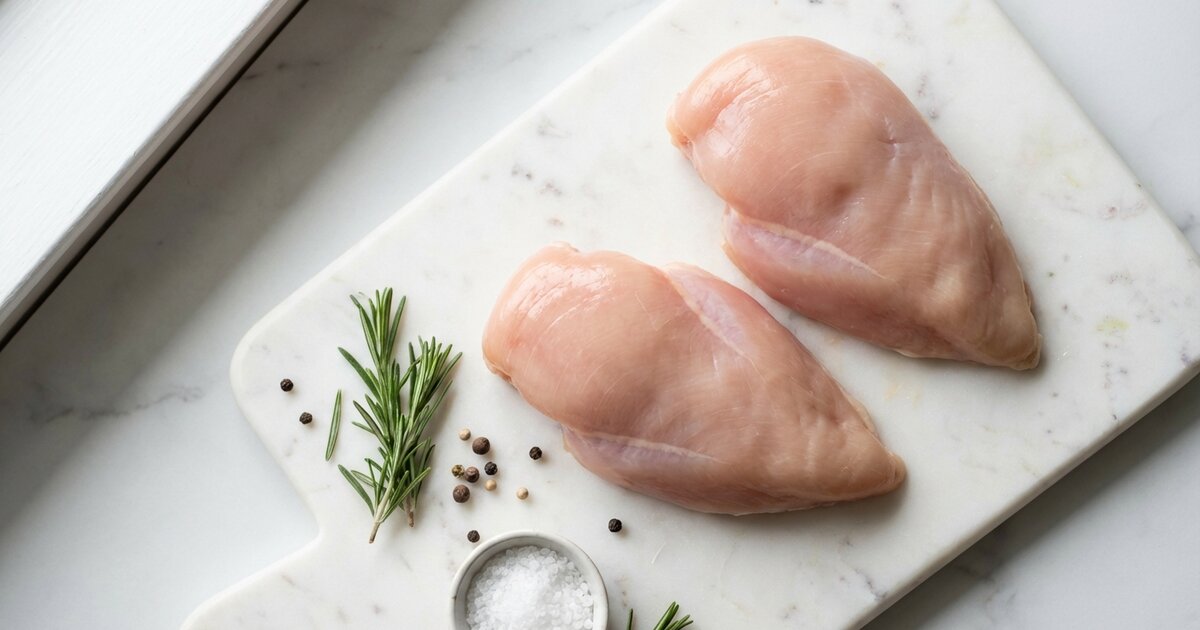
Chicken breast is the undisputed king of macro-friendly proteins. It’s lean, affordable, versatile, and packs more protein per calorie than almost any whole food. If you’re counting macros, you’re probably eating a lot of chicken.
But here’s where it gets tricky: chicken breast macros change significantly based on whether it’s raw or cooked, bone-in or boneless, with skin or without, and how you prepare it. “6 oz chicken breast” can mean different things depending on when you weigh it.
This guide clears up the confusion. You’ll get exact macros for every preparation, learn when to weigh your chicken, and understand how cooking methods affect nutrition.

Related: Learn more about what macros are and how they impact your diet.
Chicken Breast Macros: Quick Reference
Here’s what you need to know at a glance. All values are for boneless, skinless chicken breast.
| Measurement | Calories | Protein | Carbs | Fat |
|---|---|---|---|---|
| 100g raw | 120 | 23g | 0g | 2.6g |
| 100g cooked | 165 | 31g | 0g | 3.6g |
| 4 oz (113g) raw | 136 | 26g | 0g | 3g |
| 4 oz (113g) cooked | 187 | 35g | 0g | 4g |
| 6 oz (170g) raw | 204 | 39g | 0g | 4.4g |
| 6 oz (170g) cooked | 281 | 53g | 0g | 6g |
| 8 oz (227g) raw | 272 | 52g | 0g | 6g |
| 8 oz (227g) cooked | 374 | 70g | 0g | 8g |
The critical distinction: Raw and cooked weights are NOT interchangeable. A 6 oz raw chicken breast becomes approximately 4.5 oz after cooking (it loses water weight). If your tracking app says “chicken breast, cooked” and you weigh it raw, you’ll undercount.
Raw vs Cooked: Why It Matters
Chicken breast loses about 25-30% of its weight during cooking. The water evaporates, the protein concentrates, and the macros per ounce increase.
Example:
- 8 oz raw chicken breast = 272 calories, 52g protein
- After cooking, it weighs ~6 oz
- Those 6 oz cooked still = 272 calories, 52g protein
The total nutrition doesn’t change—it’s just concentrated into less weight.
When to Weigh Raw
Weigh raw when:
- Using a tracking app entry that specifies “raw”
- Meal prepping and portioning before cooking
- You want maximum accuracy
When to Weigh Cooked
Weigh cooked when:
- Using a tracking app entry that specifies “cooked”
- The chicken was already prepared (restaurant, pre-cooked)
- You’re eating immediately and didn’t weigh raw
Most accurate method: Weigh raw, cook, then log as “raw” weight. This accounts for variation in moisture loss between cooking methods.
Counting Macros for Beginners for tracking fundamentals.
Chicken Breast Macros by Preparation
How you cook chicken changes the macros—sometimes dramatically.
Plain Grilled/Baked (No Added Fat)
| Serving | Calories | Protein | Carbs | Fat |
|---|---|---|---|---|
| 4 oz cooked | 187 | 35g | 0g | 4g |
| 6 oz cooked | 281 | 53g | 0g | 6g |
This is the baseline. No oil, no breading, no sauce. Pure protein delivery.
Pan-Fried in Oil (1 tbsp olive oil)
| Serving | Calories | Protein | Carbs | Fat |
|---|---|---|---|---|
| 4 oz cooked | 307 | 35g | 0g | 18g |
| 6 oz cooked | 401 | 53g | 0g | 20g |
What changed: +120 calories, +14g fat from the tablespoon of oil. The chicken absorbs some of it during cooking.
Tip: Use cooking spray instead of oil to add minimal calories while preventing sticking.
Air Fried (No Oil)
| Serving | Calories | Protein | Carbs | Fat |
|---|---|---|---|---|
| 4 oz cooked | 187 | 35g | 0g | 4g |
| 6 oz cooked | 281 | 53g | 0g | 6g |
Air fryers are a macro counter’s best friend. You get the crispy texture of frying without the added fat.
Breaded and Fried
| Serving | Calories | Protein | Carbs | Fat |
|---|---|---|---|---|
| 4 oz cooked | 340 | 28g | 15g | 18g |
| 6 oz cooked | 510 | 42g | 23g | 27g |
What changed: Breading adds carbs and absorbs oil during frying. A significant jump in calories and fat.
Rotisserie Style (Skin-On)
| Serving | Calories | Protein | Carbs | Fat |
|---|---|---|---|---|
| 4 oz cooked (with skin) | 252 | 30g | 0g | 14g |
| 6 oz cooked (with skin) | 378 | 45g | 0g | 21g |
The skin factor: Chicken skin adds roughly 80-100 calories and 9g fat per 4 oz. Remove the skin to drop back to lean macros.
Deli/Sandwich Sliced
| Serving | Calories | Protein | Carbs | Fat |
|---|---|---|---|---|
| 4 oz | 120 | 22g | 2g | 2g |
| 6 oz | 180 | 33g | 3g | 3g |
Deli chicken is often brined and may contain added sodium, sugars, or fillers. Check the label—some brands vary significantly.

Boneless vs Bone-In Chicken Breast
If you buy bone-in chicken breast, you’re not eating the bone weight.
Bone-in chicken breast:
- Raw weight includes ~20-25% bone
- A 10 oz bone-in breast yields ~7.5 oz of meat
- Weigh after removing bone, or use bone-in specific entries in your app
Macro-friendly tip: Bone-in is often cheaper per pound. If budget matters, buy bone-in and remove the bone yourself—you’re paying for less meat per pound, but the price per actual meat may still be lower.
With Skin vs Without Skin
| Type | Calories (per 4oz cooked) | Protein | Fat |
|---|---|---|---|
| Skinless | 187 | 35g | 4g |
| With skin | 252 | 30g | 14g |
Skin adds: ~65 calories and 10g fat per 4 oz serving
The skin is where most of the fat lives. For pure protein-to-calorie efficiency, skinless wins. But if you have fat macros to spare, the skin adds flavor and satiety.
Chicken Breast vs Other Chicken Cuts
How does breast compare to other chicken options?
| Cut (4 oz cooked) | Calories | Protein | Fat |
|---|---|---|---|
| Breast (skinless) | 187 | 35g | 4g |
| Thigh (skinless) | 232 | 28g | 12g |
| Thigh (with skin) | 280 | 26g | 18g |
| Drumstick (skinless) | 172 | 28g | 6g |
| Wing (with skin) | 320 | 30g | 22g |
Breast is the protein king. No other cut comes close for protein-to-calorie ratio.
But thighs taste better. If you can fit the extra fat into your macros, thighs are juicier and harder to overcook.
Protein: The Complete Guide for complete protein guidance.
How to Weigh Chicken Accurately
Accurate macro counting requires accurate weighing. Here’s the system:
Method 1: Weigh Raw (Most Accurate)
- Place raw chicken breast on food scale
- Note the weight (e.g., 8 oz raw)
- Cook the chicken
- Log as “chicken breast, raw” with your pre-cook weight
This is the gold standard. Cooking method doesn’t affect accuracy because you’re tracking what went in.
Method 2: Weigh Cooked (When Raw Isn’t Possible)
- Weigh cooked chicken
- Log as “chicken breast, cooked” with exact cooked weight
- Verify your tracking app entry specifies “cooked”
This works but introduces minor variation since different cooking methods lose different amounts of moisture.
Method 3: Package Weight
- Check the package for total weight
- Divide by number of pieces if multiple
- Log as raw weight
Useful for meal prep when you’re cooking the whole package anyway.
Common Weighing Mistakes
Mistake 1: Weighing cooked, logging as raw
- Undercounts calories by ~25-30%
Mistake 2: Not accounting for marinades
- Sugary marinades add carbs
- Oil-based marinades add fat
Mistake 3: Guessing weights
- A “medium” chicken breast varies from 4-8 oz
- Always use a scale until you can eyeball accurately
How to Track Your Macros for comprehensive tracking methods.
Chicken Breast in Meal Planning
Sample High-Protein Day with Chicken
| Meal | Chicken Serving | Protein from Chicken |
|---|---|---|
| Lunch | 6 oz grilled breast | 53g |
| Dinner | 6 oz baked breast | 53g |
| Total | 12 oz | 106g protein |
That’s 106g of protein from chicken alone, leaving room for eggs at breakfast, Greek yogurt as a snack, and other protein sources—easily hitting 150g+ daily.
Chicken Meal Prep Framework
Sunday prep (2-3 lbs chicken breast):
- Season — salt, pepper, garlic powder, paprika
- Cook — bake at 400°F for 22-25 minutes (internal temp 165°F)
- Portion — divide into 5-6 containers (6 oz each)
- Refrigerate — keeps 4-5 days
Weekly use:
- Bowl with rice and vegetables
- Salad topping
- Wrap filling
- Stir-fry protein
- Snack (cold chicken slices)
High Protein Macro Meals for complete meal ideas.
Making Chicken Breast Taste Good
Let’s be honest: plain chicken breast can be boring. Here’s how to add flavor without destroying your macros.
Zero/Low-Calorie Flavor Additions
- Salt, pepper, herbs, spices (0 calories)
- Hot sauce (0-5 calories per serving)
- Mustard (0-5 calories per tablespoon)
- Lemon juice (5 calories per ounce)
- Vinegar (0-3 calories per tablespoon)
- Salsa (10-20 calories per ¼ cup)
Moderate-Calorie Additions
- BBQ sauce: 30-60 calories per 2 tbsp (watch sugar content)
- Teriyaki: 30-50 calories per 2 tbsp
- Greek yogurt-based sauces: 20-40 calories per 2 tbsp
- Light dressings: 40-60 calories per 2 tbsp
Marinades That Won’t Blow Your Macros
Lemon Herb (nearly zero added):
- Lemon juice
- Garlic
- Oregano, thyme, rosemary
- Salt and pepper
- Splash of olive oil (optional, 40 cal per tsp)
Asian-Style:
- Low-sodium soy sauce (10 cal per tbsp)
- Rice vinegar
- Ginger
- Garlic
- Sriracha
Spicy:
- Hot sauce
- Lime juice
- Cumin, chili powder
- Garlic
Cooking Methods for Better Texture
Brining: Soak in salt water (1 tbsp salt per cup water) for 30-60 minutes before cooking. No added calories, significantly juicier chicken.
Pounding: Pound to even thickness so it cooks evenly. Prevents dry edges with raw center.
Don’t overcook: Internal temp of 165°F. Use a meat thermometer. Every degree over dries it out.
Rest after cooking: Let it sit 5 minutes before cutting. Juices redistribute.
Chicken Breast vs Protein Powder
When you need protein, is chicken or a protein shake the better choice?
| Factor | Chicken Breast (6 oz) | Protein Powder (1 scoop) |
|---|---|---|
| Protein | 53g | 24-30g |
| Calories | 281 | 110-130 |
| Satiety | High | Low |
| Convenience | Low | High |
| Cost | ~$1.50 | ~$0.80 |
| Micronutrients | B vitamins, selenium | Minimal |
Use chicken when: You want to feel full, have time to cook, or need a real meal.
Use protein powder when: You’re in a rush, need post-workout convenience, or are struggling to hit protein goals.
Ideal approach: Mostly whole foods (chicken, fish, eggs, dairy), protein powder as a supplement when needed.
Budget-Friendly Chicken Tips
Chicken breast is affordable, but it can be cheaper:
Buy in Bulk
- Costco/Sam’s Club: Often $2-3/lb for boneless, skinless
- Larger packages at regular stores are cheaper per pound
Buy Bone-In, Skin-On
- Remove skin and bone yourself
- Often $1-2/lb cheaper than boneless, skinless
Buy Frozen
- Frozen chicken breast is usually cheaper than fresh
- Quality is nearly identical
- Thaw in fridge overnight or in cold water
Watch Sales
- Stock up when it’s $1.99/lb or less
- Freeze immediately
Don’t Buy Pre-Marinated
- You’re paying for sugar water
- Marinate yourself for pennies
Quick Reference: Chicken Breast Macros Cheat Sheet
Per 4 oz cooked, boneless, skinless:
- 187 calories
- 35g protein
- 0g carbs
- 4g fat
Per 6 oz cooked, boneless, skinless:
- 281 calories
- 53g protein
- 0g carbs
- 6g fat
Per 100g cooked:
- 165 calories
- 31g protein
- 0g carbs
- 3.6g fat
Raw → Cooked conversion:
- 8 oz raw ≈ 6 oz cooked
- 6 oz raw ≈ 4.5 oz cooked
- Loses ~25-30% weight
With skin: Add ~65 calories, 10g fat per 4 oz
Pan-fried in oil: Add 120 calories per tbsp oil used
The Bottom Line
Chicken breast is the macro counter’s best friend for good reason. With 31g of protein per 100g cooked and minimal fat, it’s hard to beat for protein efficiency.
Key takeaways:
- Weigh raw for maximum accuracy
- Raw and cooked weights are NOT interchangeable
- Skinless beats skin-on for protein-to-calorie ratio
- Cooking method affects macros (avoid added fats if cutting)
- Meal prep makes consistency easy
Whether you’re cutting, bulking, or maintaining, chicken breast should probably be a staple in your meal plan. Now you have the exact numbers to fit it into your macros perfectly.
Ready to calculate how much chicken you need daily? Use our free Macro Calculator to get your personalized protein target.
Related Guides:
- Protein: The Complete Guide — Everything about this essential macro
- How to Track Your Macros — Master your daily nutrition tracking
- High Protein Macro Meals — Meal ideas and recipes
More High-Protein Foods:
- Eggs Macros — Another protein powerhouse
- Salmon Macros — The omega-3 rich option
- Ground Beef Macros — Affordable protein source
- Tofu Macros — Plant-based protein option
Related Articles
Dragonfruit Macros: Complete Nutrition Guide for Pitaya
Complete macro breakdown of dragonfruit (pitaya). Learn the calories, protein, carbs, and...
Read guide →
Bulgur Macros: Complete Nutritional Guide & Health Benefits
Discover bulgur's complete macro breakdown, nutritional benefits, and how to incorporate...
Read guide →
Radish Macros: Nutrition Facts and Health Benefits
Complete guide to radish macros and nutrition. Learn calories, protein, carbs, and health...
Read guide →Note: Nutrition values are approximate and may vary based on preparation method and source.