Cottage Cheese Macros: Complete Nutrition Facts & Calories
Reviewed by Jessica Williams, CPT, CSCS
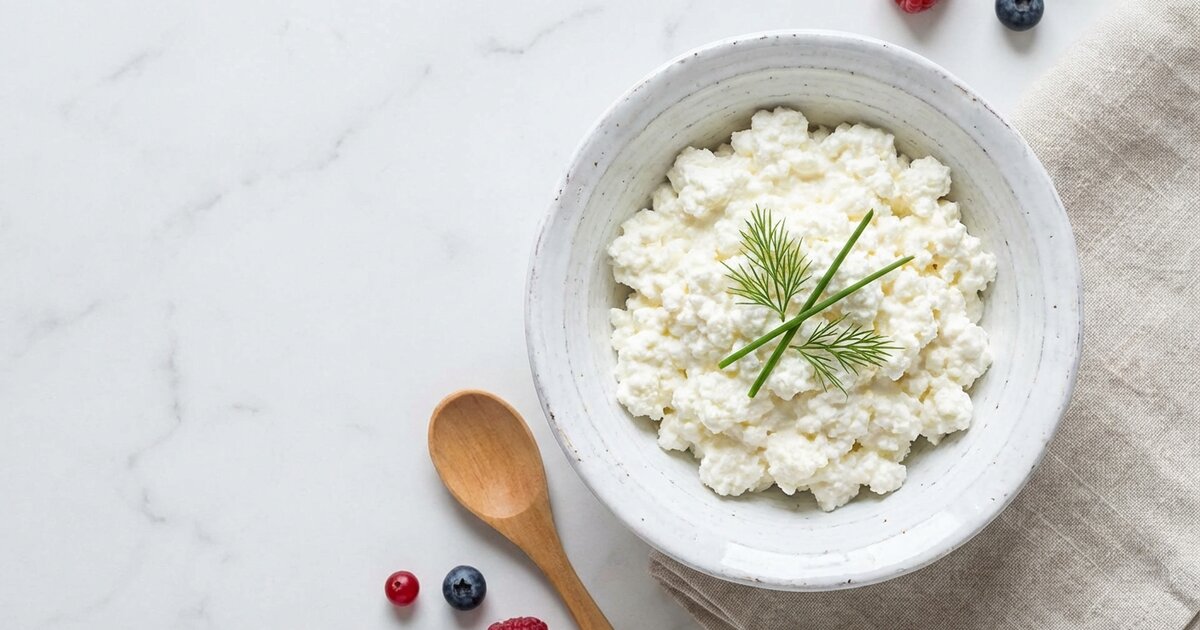
Cottage cheese is having a moment—and for good reason. It’s one of the most protein-dense foods you can eat, with up to 28g of protein per cup. That’s more than four eggs or a can of tuna. For macro counters, cottage cheese is a versatile protein source that works in everything from breakfast bowls to late-night snacks.
But cottage cheese macros vary significantly based on fat percentage, and not all varieties are created equal. This guide breaks down cottage cheese macros completely—every fat level, every serving size—so you can pick the right one for your goals.

Related: Learn more about what macros are and how they impact your diet.
Cottage Cheese Macros: Quick Reference
Here’s what you need to know for the most common cottage cheese varieties.
Low-Fat (1% Milkfat)
| Serving | Calories | Protein | Carbs | Fat |
|---|---|---|---|---|
| 100g | 72 | 12.4g | 2.7g | 1g |
| 1/2 cup (113g) | 81 | 14g | 3g | 1.1g |
| 1 cup (226g) | 163 | 28g | 6g | 2.3g |
| 2/3 cup (150g) | 108 | 18.6g | 4g | 1.5g |
Low-Fat (2% Milkfat)
| Serving | Calories | Protein | Carbs | Fat |
|---|---|---|---|---|
| 100g | 84 | 11.8g | 3.5g | 2.3g |
| 1/2 cup (113g) | 95 | 13g | 4g | 2.6g |
| 1 cup (226g) | 190 | 26g | 8g | 5.2g |
Full-Fat (4% Milkfat)
| Serving | Calories | Protein | Carbs | Fat |
|---|---|---|---|---|
| 100g | 98 | 11.1g | 3.4g | 4.3g |
| 1/2 cup (113g) | 111 | 12.5g | 3.8g | 4.9g |
| 1 cup (226g) | 222 | 25g | 7.7g | 9.7g |
Non-Fat (0%)
| Serving | Calories | Protein | Carbs | Fat |
|---|---|---|---|---|
| 100g | 62 | 10.3g | 6.1g | 0.3g |
| 1/2 cup (113g) | 70 | 11.6g | 6.9g | 0.3g |
| 1 cup (226g) | 140 | 23g | 13.8g | 0.6g |
Key insight: Low-fat (1%) cottage cheese offers the best protein-to-calorie ratio. Non-fat has slightly more carbs (lactose is concentrated when fat is removed).
Choosing the Right Fat Percentage
Fat Percentage Comparison (Per Cup)
| Fat Level | Calories | Protein | Fat | Best For |
|---|---|---|---|---|
| 0% (non-fat) | 140 | 23g | 0.6g | Minimum fat |
| 1% (low-fat) | 163 | 28g | 2.3g | Best protein/cal |
| 2% (low-fat) | 190 | 26g | 5.2g | Balance |
| 4% (full-fat) | 222 | 25g | 9.7g | Best taste |
When to Choose Each
Non-fat (0%):
- Maximum calorie restriction
- When mixing with other high-fat foods
- Texture may be runnier
1% Milkfat:
- Best protein-to-calorie ratio
- Cutting/weight loss
- Most versatile option
2% Milkfat:
- Good balance of taste and macros
- If 1% is too dry for you
- General healthy eating
4% Milkfat:
- Best taste and texture
- When you have calories to spare
- Eating plain (not mixing)
- Keto (need the fat)
Cottage Cheese vs. Greek Yogurt
This is the ultimate protein dairy showdown:
Per 1 Cup
| Factor | Cottage Cheese (1%) | Greek Yogurt (0%) |
|---|---|---|
| Calories | 163 | 130 |
| Protein | 28g | 23g |
| Carbs | 6g | 9g |
| Fat | 2.3g | 0.7g |
| Calcium | 14% DV | 18% DV |
| Texture | Chunky | Smooth |
| Taste | Mild, tangy | Tart |
When to Choose Cottage Cheese
- You want maximum protein
- You prefer chunky/curdy texture
- Lower carbs matter
- Eating savory applications
- Late-night snack (casein protein)
When to Choose Greek Yogurt
- You prefer smooth texture
- Using in smoothies
- Making dips or sauces
- Want more calcium
- Prefer tangier taste
Verdict: Cottage cheese wins on protein; Greek yogurt wins on texture versatility. Both are excellent protein sources.

Making Cottage Cheese Work for Different Diets
Weight Loss/Cutting
Cottage cheese is a cutting superstar:
Why it works:
- 28g protein per cup (only 163 calories)
- Protein-to-calorie ratio: 17g per 100 calories
- Very filling due to casein protein
- Minimal prep needed
Cutting meal example:
| Ingredient | Calories | Protein |
|---|---|---|
| 1 cup cottage cheese (1%) | 163 | 28g |
| 1/2 cup berries | 40 | 0.5g |
| 1 tbsp chia seeds | 58 | 2g |
| Total | 261 | 30.5g |
High-Protein Diet
Cottage cheese delivers protein efficiently:
Protein comparison (per 200 calories):
| Food | Protein |
|---|---|
| Cottage cheese (1%) | 34g |
| Greek yogurt (0%) | 35g |
| Chicken breast | 36g |
| Eggs | 17g |
| Milk | 10g |
Cottage cheese matches chicken breast for protein efficiency.
Keto/Low-Carb
Cottage cheese fits keto in moderation:
Per 1/2 cup (1% milkfat):
- Total carbs: 3g
- Net carbs: ~3g (minimal fiber)
Keto considerations:
- Choose full-fat (4%) for more fat, same carbs
- Avoid fruit-flavored varieties (added sugar)
- A half cup fits most daily carb limits
Keto cottage cheese bowl:
| Ingredient | Calories | Carbs | Fat |
|---|---|---|---|
| 1/2 cup cottage cheese (4%) | 111 | 3.8g | 4.9g |
| 1 tbsp olive oil | 120 | 0g | 14g |
| Everything bagel seasoning | 5 | 0g | 0g |
| Total | 236 | 3.8g | 18.9g |
Muscle Building
Cottage cheese supports muscle growth excellently:
Why it’s great for muscle:
- Complete protein with all essential amino acids
- High in casein—slow-digesting protein ideal for recovery
- Contains leucine—key amino acid for muscle synthesis
Pre-bed muscle building snack:
| Ingredient | Calories | Protein |
|---|---|---|
| 1 cup cottage cheese (2%) | 190 | 26g |
| 2 tbsp peanut butter | 188 | 8g |
| Total | 378 | 34g |
Casein protein from cottage cheese provides amino acids throughout the night.
Cottage Cheese Meal Ideas
Breakfast Options
Savory cottage cheese bowl:
| Ingredient | Calories | Protein |
|---|---|---|
| 1 cup cottage cheese (1%) | 163 | 28g |
| 1/4 avocado | 80 | 1g |
| Everything bagel seasoning | 10 | 0g |
| Cherry tomatoes | 15 | 0.5g |
| Total | 268 | 29.5g |
Sweet cottage cheese bowl:
| Ingredient | Calories | Protein |
|---|---|---|
| 1 cup cottage cheese (1%) | 163 | 28g |
| 1/2 cup mixed berries | 40 | 0.5g |
| 1 tbsp honey | 64 | 0g |
| 1 tbsp sliced almonds | 33 | 1.2g |
| Total | 300 | 29.7g |
Cottage cheese pancakes:
| Ingredient | Calories | Protein |
|---|---|---|
| 1/2 cup cottage cheese | 81 | 14g |
| 2 eggs | 140 | 12g |
| 1/4 cup oats | 78 | 3.4g |
| Total (makes 4 pancakes) | ~75 each | ~7g each |
Blend ingredients, cook like regular pancakes.
Snack Ideas
Cottage cheese and fruit:
- 1/2 cup cottage cheese + 1/2 cup pineapple
- ~120 calories, 14g protein
Cottage cheese dip:
- Blend 1 cup cottage cheese smooth
- Add herbs, garlic, lemon
- Use with vegetables
- ~165 calories, 28g protein
Cottage cheese toast:
- 1 slice whole grain bread + 1/4 cup cottage cheese + tomato
- ~145 calories, 11g protein
Dinner/Protein Additions
Cottage cheese stuffed peppers:
| Ingredient per pepper | Calories | Protein |
|---|---|---|
| 1/2 cup cottage cheese | 81 | 14g |
| 2 oz ground turkey | 96 | 15g |
| 1 bell pepper | 40 | 1.5g |
| Seasonings | 5 | 0g |
| Total | 222 | 30.5g |
Cottage cheese pasta sauce:
- Blend 1 cup cottage cheese until smooth
- Mix with hot pasta, garlic, herbs
- Creamy texture without heavy cream
- Adds 28g protein to your pasta dish
Cottage cheese lasagna (per serving): Use cottage cheese instead of ricotta:
- Same protein
- Less fat
- Creamier texture when blended

Cottage Cheese Meal Prep
Storage Guidelines
| Form | Refrigerator | Freezer |
|---|---|---|
| Unopened | Until expiration | Not recommended |
| Opened | 5-7 days | 3 months* |
| Mixed with fruit | 2-3 days | Not recommended |
*Texture changes after freezing—best used in cooked dishes or smoothies
Meal Prep Strategies
Pre-portioned cups:
- Buy large container (cheaper per ounce)
- Divide into 1/2 or 1 cup portions
- Store in small containers
- Grab and go throughout week
Pre-made cottage cheese bowls:
- Portion cottage cheese into containers
- Store toppings separately
- Combine when ready to eat
- Keeps 3-4 days
Batch cooking with cottage cheese:
- Make cottage cheese pancake batter (keeps 2 days)
- Prep cottage cheese dip (keeps 5 days)
- Mix cottage cheese into recipes as you cook
Flavored vs. Plain Cottage Cheese
Plain Cottage Cheese
Pros:
- No added sugar
- Most versatile
- Lowest carbs
- Control your own flavors
Per 1/2 cup (1%): 81 cal, 14g protein, 3g carbs
Fruit-on-Bottom Varieties
| Flavor (1/2 cup) | Calories | Protein | Carbs | Sugar |
|---|---|---|---|---|
| Plain | 81 | 14g | 3g | 3g |
| Pineapple | 120 | 11g | 15g | 13g |
| Peach | 120 | 11g | 14g | 12g |
| Strawberry | 115 | 11g | 13g | 11g |
What changed: 40+ extra calories and 10+ grams of sugar from added fruit/syrup.
Recommendation: Buy plain, add your own fresh fruit. You’ll control the sugar and save calories.
Whipped Cottage Cheese
Newer products blend cottage cheese smooth:
- Same macros as regular cottage cheese
- Texture similar to Greek yogurt
- Good for those who dislike curds
- Often more expensive
Sodium Considerations
Cottage cheese can be surprisingly high in sodium.
Sodium by Brand (Per 1/2 Cup)
| Type | Sodium |
|---|---|
| Regular | 350-450mg |
| Low-sodium | 100-200mg |
| No-salt-added | 40-60mg |
Daily sodium limit: 2,300mg (or 1,500mg for some people)
If watching sodium:
- Choose low-sodium or no-salt-added varieties
- Limit to 1 serving per day
- Rinse cottage cheese (removes some sodium but changes texture)
Common Tracking Mistakes
Mistake #1: Wrong Fat Percentage
1% and 4% cottage cheese have significantly different macros (163 vs 222 calories per cup).
Fix: Check the label and use the matching entry. Don’t assume all cottage cheese is the same.
Mistake #2: Not Measuring Properly
Cottage cheese settles—a “cup” from the top of the container has different density than from the bottom.
Fix: Weigh cottage cheese for accuracy. 226g = 1 cup.
Mistake #3: Ignoring Flavored Varieties’ Sugar
Fruit-flavored cottage cheese can have 10-15g added sugar.
Fix: Check labels on flavored varieties. Account for the extra carbs/calories.
Mistake #4: Confusing with Ricotta
Ricotta cheese has very different macros:
- Ricotta (whole milk): 174 cal, 7g protein per 1/2 cup
- Cottage cheese (1%): 81 cal, 14g protein per 1/2 cup
Fix: These aren’t interchangeable for tracking purposes.
Mistake #5: Not Draining Excess Liquid
Some cottage cheese has significant liquid. If you drain it, the macros per cup change slightly.
Fix: Either don’t drain (use as-is macros) or weigh after draining.
Health Benefits Beyond Macros
Per 1 cup cottage cheese (1%):
| Nutrient | Amount | % Daily Value |
|---|---|---|
| Calcium | 138mg | 14% |
| Phosphorus | 303mg | 30% |
| Selenium | 20mcg | 29% |
| Vitamin B12 | 1.4mcg | 24% |
| Riboflavin | 0.4mg | 22% |
Additional benefits:
- Contains probiotics (live cultures in some brands)
- High in casein protein (slow-digesting)
- May support bone health
- Associated with weight management in studies
The Bottom Line
Cottage cheese is a macro-counting powerhouse:
- 28g protein per cup (1%) — One of the highest protein foods
- 163 calories per cup — Excellent protein-to-calorie ratio
- Versatile — Works sweet, savory, or blended
- Affordable — Cheap protein source
Key tracking rules:
- Always check fat percentage (1%, 2%, 4%)
- Weigh for accuracy (don’t trust volume measurements)
- Account for flavored varieties’ added sugar
- Watch sodium if it matters for your diet
Whether you’re cutting and need high protein with low calories, building muscle and want a casein-rich bedtime snack, or just looking for a versatile protein source, cottage cheese delivers consistent macros that fit any nutrition goal.
Related guides:
Related Articles
Dragonfruit Macros: Complete Nutrition Guide for Pitaya
Complete macro breakdown of dragonfruit (pitaya). Learn the calories, protein, carbs, and...
Read guide →
Bulgur Macros: Complete Nutritional Guide & Health Benefits
Discover bulgur's complete macro breakdown, nutritional benefits, and how to incorporate...
Read guide →
Radish Macros: Nutrition Facts and Health Benefits
Complete guide to radish macros and nutrition. Learn calories, protein, carbs, and health...
Read guide →Note: Nutrition values are approximate and may vary based on preparation method and source.