Edamame Macros: Complete Nutrition Facts & Calories
Reviewed by Dr. Michael Torres, PhD
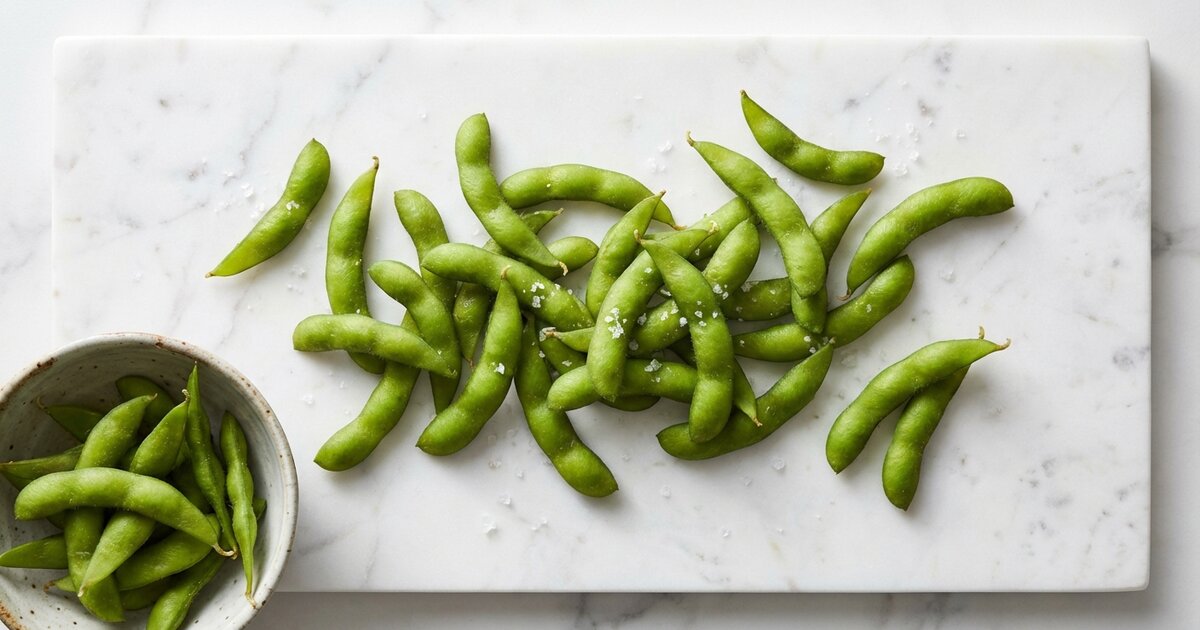
Edamame is a protein powerhouse disguised as a snack. With 17 grams of complete protein and only 6 grams of net carbs per cup, these young soybeans deliver impressive macros for anyone seeking plant-based protein without excessive carbs.
This guide covers edamame macros so you can enjoy this versatile food confidently.
Edamame Macros: Quick Reference
Here’s the complete edamame nutrition breakdown:
| Serving | Calories | Protein | Carbs | Fiber | Net Carbs | Fat |
|---|---|---|---|---|---|---|
| 1 cup shelled (155g) | 188 | 17g | 14g | 8g | 6g | 8g |
| 1/2 cup shelled (78g) | 94 | 8.5g | 7g | 4g | 3g | 4g |
| 1 cup in pods (155g) | 188 | 17g | 14g | 8g | 6g | 8g |
| 100g shelled | 121 | 11g | 9g | 5g | 4g | 5g |
Key insight: The macros are identical whether measured in pods or shelled—the pods aren’t edible, so 1 cup in pods yields the same as 1 cup shelled.
Edamame: In Pods vs. Shelled
| Form | Convenience | Same Macros? |
|---|---|---|
| In pods | Fun to eat, slower | Yes |
| Shelled | Easier for cooking, salads | Yes |
| Frozen (either) | Convenient, same nutrition | Yes |
Pods are just for delivery—you eat the same amount of beans either way.
Understanding Macronutrients
Edamame provides all three macros with an emphasis on protein. To understand how they fit your nutrition, learn about what macronutrients are.
Edamame vs. Other Legumes
| Legume (1 cup cooked) | Calories | Protein | Net Carbs |
|---|---|---|---|
| Edamame | 188 | 17g | 6g |
| Black beans | 227 | 15g | 26g |
| Chickpeas | 269 | 15g | 33g |
| Lentils | 230 | 18g | 24g |
| Kidney beans | 225 | 15g | 25g |
Edamame advantage: Highest protein-to-carb ratio of common legumes. Only 6g net carbs vs. 25-33g for others.
Edamame vs. Other Protein Sources
| Protein (per 100g) | Calories | Protein | Net Carbs |
|---|---|---|---|
| Edamame | 121 | 11g | 4g |
| Chicken breast | 165 | 31g | 0g |
| Greek yogurt | 97 | 10g | 3.6g |
| Tofu | 144 | 17g | 2g |
| Eggs | 155 | 11g | 1g |
Edamame is competitive with dairy for protein and has fewer carbs than most plant proteins.
How Edamame Fits Different Diets
Keto and Low-Carb
Edamame is the most keto-friendly legume:
- 6g net carbs per cup (vs. 25-33g for other beans)
- Works in moderation on keto
- 1/2 cup = 3g net carbs (easy fit)
Keto tip: Edamame is your best bean option. Use as a snack or in stir-fries.
Calorie Deficit / Weight Loss
Edamame is excellent for weight loss:
- High protein promotes satiety
- High fiber slows digestion
- Moderate calories (188/cup)
- Takes time to eat (pods)
High-Protein Diets
Edamame delivers impressive plant protein:
- 17g per cup
- Complete protein (all amino acids)
- Works for vegetarians and vegans
- Lower calorie than many protein sources
Muscle Building
Edamame supports muscle growth:
- Complete protein for muscle synthesis
- Good for plant-based athletes
- Easy to add to meals
- Portable snack option
Flexible Dieting
Edamame fits flexible dieting well—track it, enjoy it, hit your numbers. The balanced macros make it easy to fit.
Meal Ideas with Edamame
High-Protein Snack (188 cal, 17g protein, 6g net carbs, 8g fat)
- 1 cup edamame in pods
- Sea salt
Asian Stir-Fry (380 cal, 32g protein, 20g carbs, 18g fat)
Edamame Salad (280 cal, 18g protein, 22g carbs, 14g fat)
- 1/2 cup edamame
- 2 cups mixed greens
- Quinoa (1/4 cup)
- Sesame dressing
Protein Power Bowl (450 cal, 35g protein, 35g carbs, 18g fat)
- 3/4 cup edamame
- 1/2 cup brown rice
- Avocado, seaweed
- Sriracha mayo
Edamame Hummus (per 2 tbsp: 60 cal, 3g protein, 3g net carbs, 4g fat)
- Blend edamame with tahini, lemon, garlic
- Lower carb than chickpea hummus
Calculate Your Macros
Use our macro calculator to determine your daily targets, then fit edamame into your protein plan.
Buying and Preparing Edamame
Fresh vs. Frozen
- Frozen: Most common, just as nutritious
- Fresh: Rare, slightly better texture
- Buy frozen bags for convenience
How to Prepare
- Boiling: 4-5 minutes in salted water
- Steaming: 5-6 minutes
- Microwave: 3-4 minutes in covered bowl with water
- Season: Salt, garlic, sesame, chili flakes
Shelling Tips
- Squeeze pod between fingers
- Beans pop out easily
- Or buy pre-shelled for convenience
Soy Concerns: Myth vs. Reality
Estrogen/Hormones
Edamame contains phytoestrogens (plant compounds), not human estrogen. Research shows:
- No feminizing effects in men
- May actually be protective
- Safe for regular consumption
Thyroid
Soy may affect thyroid medication absorption—take meds separately. For most people, soy doesn’t affect thyroid function.
Bottom Line
Modern research supports soy as a healthy food. Edamame is safe for most people to eat regularly.
Common Edamame Questions
How Much Edamame Is Too Much?
There’s no established limit. 1-2 cups daily is well-studied and safe. Listen to your body—edamame is high in fiber, which can cause digestive issues if you’re not used to it.
Is Edamame Processed?
Edamame is minimally processed—just harvested young soybeans, typically steamed and frozen. It’s a whole food, not a processed soy product like TVP or soy isolate.
Can I Eat the Pods?
No, edamame pods are fibrous and indigestible. Squeeze the beans out and discard the pods.
Is Edamame Good Before a Workout?
Edamame works as a pre-workout snack:
- Moderate carbs for energy
- Protein for muscle protection
- Not too heavy
Eat 1-2 hours before training.
Fresh vs. Frozen—Any Difference?
Nutritionally identical. Frozen is actually frozen at peak freshness and may be more convenient. Choose whichever works for your lifestyle.
Final Thoughts
Edamame is the ultimate plant-based protein snack:
- 17g protein per cup—rivals many animal sources
- 6g net carbs—lowest of any legume
- Complete protein—all essential amino acids
- High fiber—8g per cup
For vegetarians, keto dieters, or anyone seeking quality plant protein, edamame delivers exceptional macros. Keep a bag in your freezer for quick snacks, add to stir-fries and salads, or make edamame hummus for a protein-rich dip.
It’s one of the few foods that works for nearly every diet approach—and tastes great doing it.
Related Articles

Dragonfruit Macros: Complete Nutrition Guide for Pitaya
Complete macro breakdown of dragonfruit (pitaya). Learn the calories, protein, carbs, and...
Read guide →
Bulgur Macros: Complete Nutritional Guide & Health Benefits
Discover bulgur's complete macro breakdown, nutritional benefits, and how to incorporate...
Read guide →
Radish Macros: Nutrition Facts and Health Benefits
Complete guide to radish macros and nutrition. Learn calories, protein, carbs, and health...
Read guide →Note: Nutrition values are approximate and may vary based on preparation method and source.