Ham Macros: Complete Nutrition Facts & Calories
Reviewed by Dr. Michael Torres, PhD
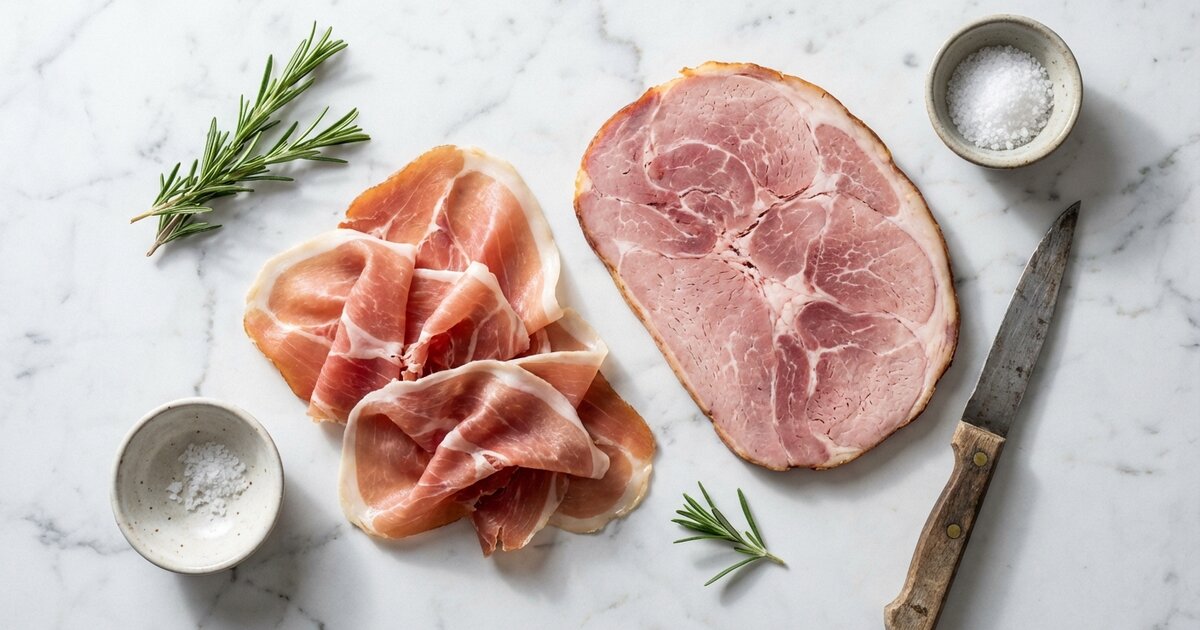
Ham is one of the most underrated proteins for macro tracking. With 21 grams of protein and only 145 calories per 100g, it’s leaner than many people assume—and far more versatile than just holiday dinners. Whether you’re adding deli ham to sandwiches, cooking a ham steak, or enjoying spiral-cut ham for meal prep, understanding ham macros helps you use this protein strategically.
This guide covers all ham varieties, from deli slices to bone-in roasts, so you can track accurately and fit ham into any diet approach.
Ham Macros: Quick Reference
Here’s the essential ham nutrition data. Values are for standard cured ham.
| Measurement | Calories | Protein | Carbs | Fat |
|---|---|---|---|---|
| 100g | 145 | 21g | 1g | 6g |
| 1 oz (28g) | 41 | 6g | 0g | 2g |
| 3 oz (85g) | 123 | 18g | 1g | 5g |
| 4 oz (113g) | 164 | 24g | 1g | 7g |
| 6 oz (170g) | 247 | 36g | 2g | 10g |
| 1 slice deli (28g) | 41 | 6g | 0g | 2g |
Key advantage: Ham delivers excellent protein with moderate fat and virtually no carbs—a solid macro profile for most diets.
Ham Macros by Type
Different ham preparations vary significantly in macros.
Deli Ham (Sliced)
| Serving | Calories | Protein | Carbs | Fat |
|---|---|---|---|---|
| 2 slices (56g) | 82 | 12g | 1g | 3g |
| 4 slices (112g) | 164 | 24g | 2g | 6g |
Standard deli-sliced ham is lean and convenient. Perfect for sandwiches and wraps when you need quick protein.
Ham Steak
| Serving | Calories | Protein | Carbs | Fat |
|---|---|---|---|---|
| 4 oz (113g) | 170 | 22g | 2g | 8g |
| 6 oz (170g) | 255 | 33g | 3g | 12g |
Ham steaks are thicker cuts, often sold pre-cooked. Slightly higher in fat than deli ham, with more substantial texture.
Spiral-Cut Ham (Bone-In)
| Serving | Calories | Protein | Carbs | Fat |
|---|---|---|---|---|
| 3 oz meat (85g) | 140 | 18g | 3g | 6g |
| 4 oz meat (113g) | 187 | 24g | 4g | 8g |
Spiral-cut hams often have glazes that add carbs. The values above include typical glaze. Unglazed spiral ham has closer to 1g carbs per serving.
Honey-Baked / Glazed Ham
| Serving | Calories | Protein | Carbs | Fat |
|---|---|---|---|---|
| 3 oz (85g) | 160 | 17g | 8g | 7g |
| 4 oz (113g) | 213 | 23g | 11g | 9g |
Glazes add significant carbs from sugar. If you’re low-carb or keto, either skip the glaze or account for the extra 5-10g carbs per serving.
Prosciutto
| Serving | Calories | Protein | Carbs | Fat |
|---|---|---|---|---|
| 1 oz (28g) | 72 | 8g | 0g | 4g |
| 2 oz (56g) | 144 | 16g | 0g | 8g |
Italian dry-cured ham with no cooking required. Higher in fat than regular ham due to the curing process. Zero carbs makes it keto-friendly.
Canadian Bacon
| Serving | Calories | Protein | Carbs | Fat |
|---|---|---|---|---|
| 2 slices (57g) | 86 | 11g | 1g | 4g |
| 4 slices (114g) | 172 | 22g | 2g | 8g |
Cut from the loin rather than the leg, Canadian bacon is leaner and closer to ham than traditional bacon.
Understanding Macronutrients
To make the most of ham in your diet, it helps to understand what macronutrients are and how protein, carbs, and fat work together for your goals.
Ham vs. Other Proteins
How does ham compare to other common protein sources?
| Protein (100g) | Calories | Protein | Carbs | Fat |
|---|---|---|---|---|
| Ham (cured) | 145 | 21g | 1g | 6g |
| Chicken breast | 165 | 31g | 0g | 3.6g |
| Turkey breast | 135 | 30g | 0g | 1g |
| Bacon | 541 | 37g | 0g | 42g |
| Roast beef | 175 | 26g | 0g | 8g |
| Salmon | 208 | 20g | 0g | 13g |
The verdict: Ham sits in a nice middle ground—leaner than most beef, more flavorful than plain chicken, with minimal carbs. The trade-off is it’s processed, so variety with other proteins is wise.
How Ham Fits Different Diets
Keto and Low-Carb
Ham is a keto staple with only 1g of carbs per 100g. Use it for:
- Quick protein without cooking (deli slices)
- Wrapping around cheese or vegetables
- Ham and egg breakfast plates
- Adding protein to salads
Avoid: Honey-baked or maple-glazed varieties that can add 8-10g carbs per serving.
Calorie Deficit / Weight Loss
At 145 calories and 21g protein per 100g, ham is excellent for weight loss:
- High satiety from protein
- Lower calorie than many meats
- Versatile for sandwiches, salads, and main dishes
- No cooking required (deli ham)
High-Protein Diets
Ham delivers solid protein density. A 6 oz serving provides 36g protein for just 247 calories. While not as protein-dense as chicken breast, it’s more flavorful and offers variety in your protein rotation.
Flexible Dieting / IIFYM
Ham fits perfectly into flexible dieting. Track it accurately, hit your numbers, and enjoy the convenience. The only watch-out is sodium if you’re tracking that.
Meal Ideas with Ham
Quick High-Protein Lunch (380 cal, 42g protein, 25g carbs, 12g fat)
- 4 oz deli ham
- 2 slices whole grain bread
- 1 slice cheese
- Mustard, lettuce, tomato
Keto Ham Roll-Ups (250 cal, 24g protein, 2g carbs, 16g fat)
- 4 slices deli ham
- 2 oz cream cheese spread inside
- Pickle spears rolled up inside
- Side of celery
Ham Steak Dinner (420 cal, 38g protein, 32g carbs, 14g fat)
- 6 oz ham steak
- 1 cup roasted sweet potato
- Steamed green beans
Protein-Packed Salad (350 cal, 30g protein, 15g carbs, 18g fat)
- 3 oz cubed ham
- 2 boiled eggs
- Mixed greens
- Cherry tomatoes
- 2 tbsp ranch dressing
Ham and Egg Breakfast (320 cal, 26g protein, 2g carbs, 22g fat)
- 3 oz deli ham, pan-fried
- 2 eggs, scrambled
- 1 oz cheddar cheese
Use the Macro Calculator
Wondering how ham fits into your daily targets? Our macro calculator helps you find your ideal protein, carb, and fat goals based on your weight, activity level, and objectives.
The Sodium Question
Ham is high in sodium—about 1,200mg per 100g (roughly half the daily recommended limit). This matters if:
- You have high blood pressure
- You’re tracking sodium for medical reasons
- You eat ham frequently
Solutions:
- Balance ham meals with low-sodium foods
- Choose “reduced sodium” ham (30-40% less sodium)
- Limit to 3-4 oz servings rather than larger portions
- Drink plenty of water
For most healthy people with normal blood pressure, occasional ham consumption isn’t concerning.
Buying and Storing Tips
At the Store
- Deli ham: Most convenient; buy freshly sliced or pre-packaged
- Ham steak: Good for cooking; look for center-cut for leaner macros
- Bone-in ham: Best value for meal prep; cook once, eat all week
- Prosciutto: Premium option; worth it for charcuterie boards
Storage
- Deli ham: 3-5 days in refrigerator, tightly wrapped
- Ham steak: 3-5 days refrigerated; 1-2 months frozen
- Bone-in ham: 7-10 days refrigerated; 1-2 months frozen
- Opened package: 3-5 days; always reseal well
Meal Prep Strategy
Bone-in ham is excellent for meal prep:
- Cook a whole ham on Sunday
- Slice into portions (3-4 oz each)
- Use throughout the week: sandwiches, salads, omelets, stir-fries
- One ham easily provides 8-12 servings
Ham Safety and Quality
What to Look For
- Pink to rose color (not gray)
- Minimal liquid in package
- “No nitrates” if you prefer (uses celery powder instead)
- Expiration dates well into the future
Processed Meat Concerns
Yes, ham is processed, and some studies link processed meats to health risks when consumed in large quantities. The practical approach:
- Eat ham in moderation, not daily
- Rotate with other proteins (chicken, fish, eggs)
- Choose quality ham with minimal additives
- Don’t let fear prevent you from enjoying it occasionally
Common Ham Questions
Is Ham or Bacon Healthier?
Ham is significantly leaner than bacon:
- Ham: 145 cal, 21g protein, 6g fat per 100g
- Bacon: 541 cal, 37g protein, 42g fat per 100g
For calorie control and protein efficiency, ham wins. Bacon is better for keto fat targets.
Can I Eat Ham Every Day?
From a macro perspective, yes. From an overall health perspective, variety is better. The sodium content and processing make daily consumption less ideal. Aim for 3-4 times per week maximum, rotating with other proteins.
What’s the Difference Between Ham and Canadian Bacon?
- Ham: Cut from the rear leg, wet or dry cured
- Canadian bacon: Cut from the loin (back), leaner and milder
Canadian bacon is closer to ham than to American bacon. Both work similarly in macro tracking.
Final Thoughts
Ham deserves a place in your macro-friendly kitchen. At 145 calories and 21g protein per 100g, it’s leaner than most people think and more versatile than holiday-only appearances suggest.
Best uses for ham:
- Quick protein without cooking (deli slices)
- Flavor in eggs, salads, and sandwiches
- Meal prep protein (cook once, use all week)
- Keto and low-carb diets
Watch out for:
- Sodium content (stay hydrated, balance with low-sodium foods)
- Glazed varieties (extra carbs from sugar)
- Portion creep (easy to eat more than planned)
Track it accurately, use it strategically, and ham becomes a reliable protein option for hitting your macros.
Related Articles

Dragonfruit Macros: Complete Nutrition Guide for Pitaya
Complete macro breakdown of dragonfruit (pitaya). Learn the calories, protein, carbs, and...
Read guide →
Bulgur Macros: Complete Nutritional Guide & Health Benefits
Discover bulgur's complete macro breakdown, nutritional benefits, and how to incorporate...
Read guide →
Radish Macros: Nutrition Facts and Health Benefits
Complete guide to radish macros and nutrition. Learn calories, protein, carbs, and health...
Read guide →Note: Nutrition values are approximate and may vary based on preparation method and source.