Pasta Macros: Complete Nutrition Facts & Calories
Reviewed by Jessica Williams, CPT, CSCS
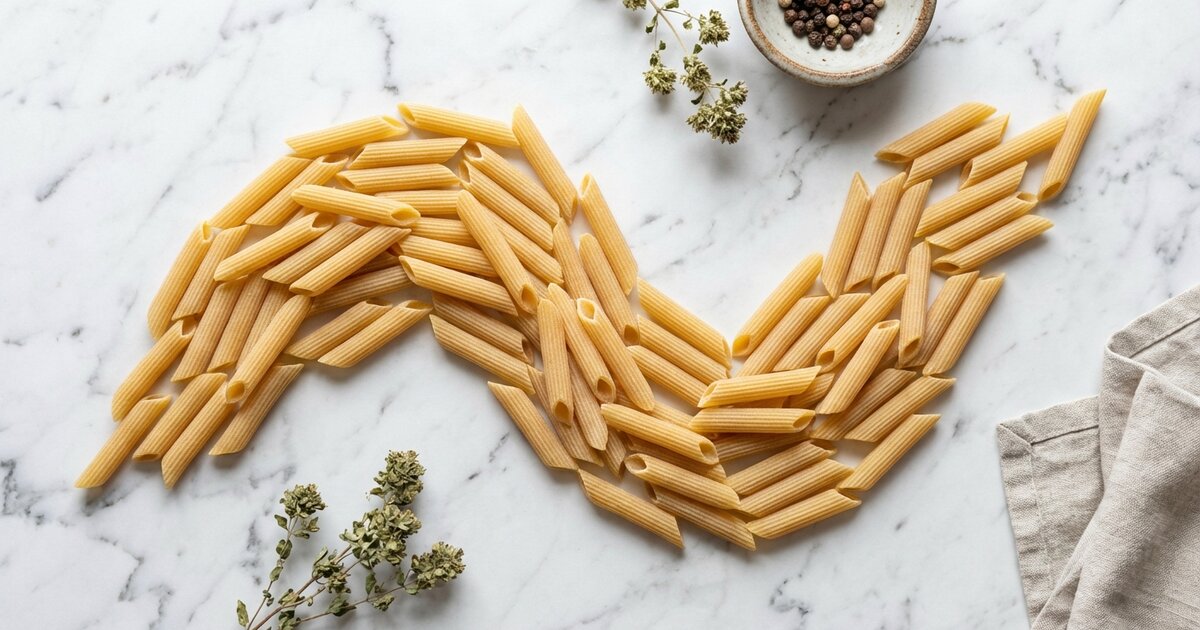
Pasta is one of America’s favorite comfort foods—and one of the most frequently miscounted foods in macro tracking. The dry-to-cooked weight confusion, enormous restaurant portions, and calorie-dense sauces make pasta a tracking minefield.
But pasta can absolutely fit your macros when you understand the numbers. This guide breaks down pasta macros completely—every type, cooked vs. dry, and how to track accurately so you can enjoy pasta without derailing your goals.

Related: Learn more about what macros are and how they impact your diet.
Pasta Macros: Quick Reference
Here’s what you need to know for regular enriched pasta.
Dry Pasta (Before Cooking)
| Serving | Calories | Protein | Carbs | Fat | Fiber |
|---|---|---|---|---|---|
| 100g dry | 350 | 12g | 71g | 1.5g | 2.5g |
| 2 oz (56g) dry | 196 | 7g | 40g | 0.8g | 1.4g |
| 1/4 lb (113g) dry | 395 | 14g | 80g | 1.7g | 2.8g |
Cooked Pasta
| Serving | Calories | Protein | Carbs | Fat | Fiber |
|---|---|---|---|---|---|
| 100g cooked | 131 | 5g | 25g | 1.1g | 1.8g |
| 1 cup (140g) cooked | 183 | 7g | 35g | 1.5g | 2.5g |
| 1.5 cups (210g) cooked | 275 | 10.5g | 53g | 2.3g | 3.8g |
| 2 cups (280g) cooked | 367 | 14g | 70g | 3g | 5g |
Critical insight: 2 oz dry pasta = approximately 1 cup cooked. Dry and cooked weights are NOT the same—this is the #1 pasta tracking error.
The Dry vs. Cooked Confusion
This is where most pasta tracking goes wrong.
The Conversion
Pasta approximately doubles in weight when cooked:
| Dry Amount | Cooked Amount | Calories |
|---|---|---|
| 2 oz (56g) | ~1 cup (140g) | 196 |
| 3 oz (85g) | ~1.5 cups (210g) | 294 |
| 4 oz (113g) | ~2 cups (280g) | 395 |
| 1 lb (454g) | ~8 cups (1.1kg) | 1,580 |
Why This Matters
Common mistake: You eat a heaping plate of cooked pasta, estimate “about 2 cups,” and log “2 cups pasta, dry.”
The error:
- 2 cups dry pasta = 890 calories
- 2 cups cooked pasta = 367 calories
That’s a 523-calorie mistake—the equivalent of an entire meal.
How to Track Pasta Accurately
Best method: Weigh dry, then cook
- Weigh out 2-3 oz dry pasta
- Cook the whole batch
- Log as “pasta, dry, 2 oz” = 196 calories
- Eat it all (cooked weight doesn’t matter)
Alternative: Weigh cooked
- Cook pasta as normal
- Weigh your cooked portion
- Log as “pasta, cooked, 200g” = 262 calories
- Make sure your app entry says “cooked”
The giveaway: If an entry shows 350+ calories per 100g, it’s dry. If it shows 130-150 calories per 100g, it’s cooked.
Pasta Types Compared
Different pasta varieties have different macros:
Per 1 Cup Cooked
| Type | Calories | Protein | Carbs | Fiber | Notes |
|---|---|---|---|---|---|
| Regular (enriched) | 220 | 8g | 43g | 2.5g | Standard |
| Whole wheat | 174 | 7g | 37g | 6g | More fiber |
| Protein pasta (Banza) | 190 | 14g | 32g | 5g | Chickpea-based |
| Barilla Protein+ | 190 | 10g | 38g | 4g | Added protein |
| Gluten-free (rice) | 210 | 4g | 46g | 2g | Less protein |
| Gluten-free (corn) | 190 | 4g | 42g | 2g | Slightly lower cal |
| Egg noodles | 220 | 8g | 40g | 2g | Similar to regular |
When to Choose Each
Regular pasta:
- Budget-friendly
- Neutral flavor
- Works for most dishes
Whole wheat:
- More fiber (satiety)
- Slightly nuttier taste
- Lower glycemic index
Protein pasta (Banza, Chickapea):
- Higher protein (14-25g)
- Fewer net carbs
- Best for high-protein diets
Gluten-free:
- Necessary for celiac/gluten sensitivity
- Often lower protein
- Similar calories
Protein Pasta Comparison
| Brand (per 2 oz dry) | Calories | Protein | Net Carbs |
|---|---|---|---|
| Regular pasta | 196 | 7g | 38g |
| Banza (chickpea) | 190 | 14g | 27g |
| Barilla Protein+ | 200 | 10g | 37g |
| Tolerant (red lentil) | 190 | 13g | 29g |
| Explore Cuisine (edamame) | 180 | 24g | 12g |

Pasta Shapes: Do They Matter?
Macros by Shape
All traditional pasta shapes have identical macros per gram—they’re made from the same dough:
Same macros per 100g cooked:
- Spaghetti: 131 calories
- Penne: 131 calories
- Rigatoni: 131 calories
- Fusilli: 131 calories
- Farfalle: 131 calories
The Volume Trap
BUT: different shapes have different densities per cup:
| Shape | Weight per Cup | Calories per Cup |
|---|---|---|
| Spaghetti | ~140g | 183 |
| Penne | ~145g | 190 |
| Rigatoni | ~130g | 170 |
| Orzo | ~165g | 216 |
| Macaroni | ~140g | 183 |
Why this matters: A cup of orzo has 20% more pasta (calories) than a cup of rigatoni due to density. Weight-based tracking eliminates this confusion.
Making Pasta Work for Different Diets
Weight Loss/Cutting
Pasta can fit a cut with smart strategies:
The challenge:
- 1 cup cooked pasta = 220 calories (not terrible)
- But restaurant portions = 2-3 cups = 440-660 calories
- Plus sauce adds 100-400+ calories
- Total meal: 500-1,000+ calories easily
Cutting strategies:
- Portion control: Limit to 1-1.5 cups cooked (2-3 oz dry)
- Bulk with vegetables: Add zucchini, mushrooms, spinach
- Light sauces: Marinara (70 cal/cup) vs Alfredo (400 cal/cup)
- Protein boost: Add chicken, shrimp, or use protein pasta
Volume-maximized pasta meal (400 cal):
| Ingredient | Calories |
|---|---|
| 2 oz dry pasta | 196 |
| 1/2 cup marinara | 35 |
| 1 cup mixed vegetables | 50 |
| 3 oz grilled chicken | 140 |
| Parmesan (1 tbsp) | 22 |
| Total | 443 |
Low-Carb/Keto
Regular pasta doesn’t fit keto (43g carbs per cup). Alternatives:
| Alternative | Carbs per Cup | Calories | Taste |
|---|---|---|---|
| Shirataki noodles | 0g | 20 | Rubbery |
| Zucchini noodles | 4g | 20 | Mild, watery |
| Spaghetti squash | 10g | 42 | Sweet, stringy |
| Edamame pasta | 12g net | 180 | Good |
| Hearts of palm pasta | 4g | 20 | Mild |
Keto zucchini pasta:
- 2 cups zucchini noodles (40 cal, 8g carbs)
- 4 oz ground beef (280 cal, 0g carbs)
- 1/2 cup low-carb marinara (40 cal, 6g carbs)
- Total: 360 calories, 14g carbs
High-Protein Diet
Boost pasta’s protein with smart additions:
Regular pasta shortfall:
- 1 cup = only 8g protein
- Most people need 25-40g per meal
High-protein pasta meal:
| Ingredient | Calories | Protein |
|---|---|---|
| 2 oz protein pasta | 190 | 14g |
| 4 oz grilled chicken | 187 | 35g |
| 1/2 cup marinara | 35 | 2g |
| 1 tbsp parmesan | 22 | 2g |
| Total | 434 | 53g |
Muscle Building/Bulking
Pasta is a bulking staple—easy calories from carbs:
Bulking pasta bowl (800 cal):
| Ingredient | Calories | Protein |
|---|---|---|
| 4 oz dry pasta | 392 | 14g |
| 5 oz ground beef | 350 | 30g |
| 1/2 cup sauce | 60 | 2g |
| 1 tbsp olive oil | 120 | 0g |
| Total | 922 | 46g |
Sauce Makes or Breaks Your Macros
The pasta itself is predictable—the sauce is where calories hide:
Sauce Comparison (Per 1/2 Cup)
| Sauce | Calories | Fat | Carbs | Notes |
|---|---|---|---|---|
| Marinara | 35-70 | 1-2g | 8-12g | Lightest option |
| Meat sauce | 140-180 | 8-12g | 10-15g | Added ground beef |
| Pesto | 280-320 | 28-32g | 4-6g | Oil-based, calorie-dense |
| Alfredo | 200-400 | 18-35g | 4-8g | Cream/butter-based |
| Vodka sauce | 140-180 | 10-14g | 10-14g | Cream + tomato |
| Olive oil + garlic | 240 | 26g | 2g | Pure fat calories |
The Restaurant Problem
Restaurant pasta dishes often have:
- 3-4 oz dry pasta (590+ calories just in pasta)
- 1+ cups of rich sauce (200-600 calories)
- Oil/butter added for richness (100-200 calories)
- Total: 800-1,400 calories for a plate
Strategies for eating out:
- Order lunch portion
- Ask for sauce on the side
- Take half home immediately
- Choose tomato-based over cream-based
Pasta Meal Ideas
Quick Weeknight Meals
Simple garlic shrimp pasta:
| Ingredient | Calories | Protein |
|---|---|---|
| 2 oz dry pasta | 196 | 7g |
| 4 oz shrimp | 112 | 24g |
| 1 tbsp olive oil | 120 | 0g |
| Garlic, lemon, herbs | 15 | 0g |
| Total | 443 | 31g |
One-pot chicken pasta:
| Ingredient | Calories | Protein |
|---|---|---|
| 2 oz dry pasta | 196 | 7g |
| 4 oz chicken breast | 187 | 35g |
| 1/2 cup marinara | 50 | 2g |
| 1 cup spinach | 7 | 1g |
| Total | 440 | 45g |
Meal Prep Pasta
Pasta salad (per serving, makes 4):
| Ingredient | Calories |
|---|---|
| 3 oz dry pasta | 294 |
| 1/4 cup Italian dressing | 80 |
| Vegetables (peppers, olives, tomatoes) | 50 |
| 1 oz cheese | 110 |
| Per serving | ~135 |
Note: Pasta salads can be deceptively calorie-dense due to dressing and cheese.
Lighter Pasta Options
Pasta primavera (vegetable-heavy):
| Ingredient | Calories | Protein |
|---|---|---|
| 1.5 oz dry pasta | 147 | 5g |
| 2 cups mixed vegetables | 80 | 4g |
| 1/4 cup marinara | 25 | 1g |
| 1 tbsp parmesan | 22 | 2g |
| 1 tsp olive oil | 40 | 0g |
| Total | 314 | 12g |

Portion Control Strategies
Visual Guides
Without a scale:
- 2 oz dry spaghetti = diameter of a quarter when bunched
- 1 cup cooked = baseball size
- Restaurant portion = typically 2-3 baseballs
The Scale Method (Most Accurate)
Dry method:
- Place bowl on scale, tare to zero
- Add desired dry pasta (2-3 oz = 196-294 cal)
- Cook and eat entire portion
- Log dry weight
Cooked method:
- Cook pasta as normal
- Place bowl on scale, tare
- Serve desired amount
- Log cooked weight (140g = ~183 cal)
Pre-Portioned Pasta
Some brands sell 2 oz “nests” or pre-measured portions:
- Removes guesswork
- Costs more per serving
- Useful for portion control
Pasta Meal Prep
Batch Cooking Tips
Cook once, eat all week:
- Cook 8-12 oz dry pasta
- Rinse with cold water (stops cooking, prevents sticking)
- Toss with 1 tsp oil
- Portion into containers
- Refrigerate up to 5 days
Reheating:
- Microwave with splash of water (prevents drying)
- Or toss in hot sauce on stovetop
Storage Guidelines
| Form | Refrigerator | Freezer |
|---|---|---|
| Cooked (plain) | 3-5 days | 2-3 months |
| With sauce | 3-4 days | 2-3 months |
| Dry (unopened) | 2+ years | Not needed |
| Dry (opened) | 1 year | Not needed |
Common Pasta Tracking Mistakes
Mistake #1: Confusing Dry and Cooked
Using “pasta, dry” entry for cooked pasta = 2.7x calorie error.
Fix: Always note how you measured. Check if the entry shows ~350 cal/100g (dry) or ~130 cal/100g (cooked).
Mistake #2: Ignoring Sauce Calories
“I just had pasta” → pasta was 300 cal, but sauce was 400 cal.
Fix: Track sauce separately. Measure or estimate carefully.
Mistake #3: Trusting Volume Measurements
“2 cups” of pasta varies by shape, packing, and how you measure.
Fix: Weigh pasta for accuracy. A food scale removes all guesswork.
Mistake #4: Underestimating Restaurant Portions
That “bowl of pasta” is probably 4-6 oz dry (400-600 calories) before sauce.
Fix: Assume restaurant pasta is 2-3 servings. Take some home or split with someone.
Mistake #5: Forgetting Oil in Cooking
Some people add oil to pasta water or toss cooked pasta in oil.
Fix: Log added oil (1 tbsp = 120 calories).
The Bottom Line
Pasta is a straightforward carb source when tracked correctly:
- 196 calories per 2 oz dry — A standard serving
- 220 calories per cup cooked — The same serving, different form
- ~8g protein — Decent for a carb, not enough alone
- 43g carbs per cup — High-carb food (not for keto)
Key tracking rules:
- ALWAYS specify dry or cooked
- Weigh for accuracy (cups vary by shape)
- Track sauce separately
- Restaurant portions are 2-3x a normal serving
Pasta can absolutely fit any macro plan—the key is accurate tracking and portion awareness. Enjoy your pasta, just know what you’re eating.
Related guides:
Related Articles
Dragonfruit Macros: Complete Nutrition Guide for Pitaya
Complete macro breakdown of dragonfruit (pitaya). Learn the calories, protein, carbs, and...
Read guide →
Bulgur Macros: Complete Nutritional Guide & Health Benefits
Discover bulgur's complete macro breakdown, nutritional benefits, and how to incorporate...
Read guide →
Radish Macros: Nutrition Facts and Health Benefits
Complete guide to radish macros and nutrition. Learn calories, protein, carbs, and health...
Read guide →Note: Nutrition values are approximate and may vary based on preparation method and source.