Peanut Butter Macros: Complete Nutrition Facts & Calories
Reviewed by Jessica Williams, CPT, CSCS
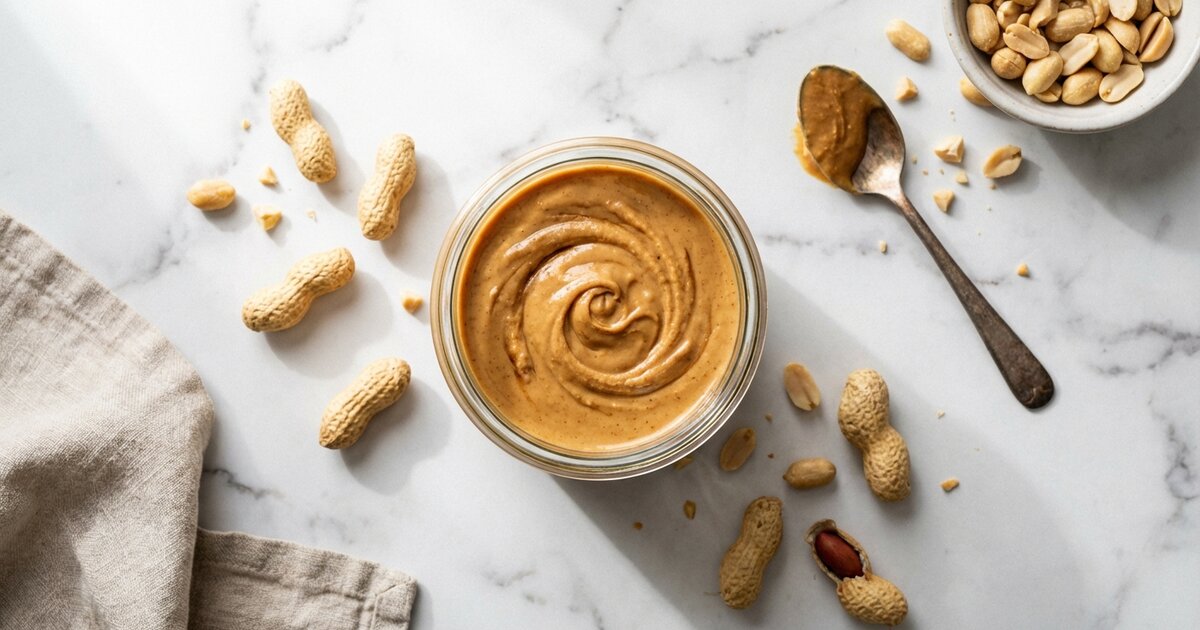
Peanut butter is one of America’s favorite foods—and one of the easiest to overeat. That creamy, protein-packed spread seems healthy, and it is. But at nearly 100 calories per tablespoon, peanut butter tracking errors can derail your macros fast.
Whether you’re spreading it on toast, blending it into smoothies, or eating it straight from the jar (no judgment), knowing exact peanut butter macros is essential for any macro-focused diet.
This guide covers everything: exact macros for every type and serving size, how to measure properly, and how to make peanut butter work whether you’re cutting or bulking.
Related: Learn more about what macros are and how they impact your diet.
Peanut Butter Macros: Quick Reference
Here’s what you need to know at a glance for standard creamy peanut butter.
By Tablespoon
| Serving | Calories | Protein | Carbs | Fat | Fiber |
|---|---|---|---|---|---|
| 1 tbsp (16g) | 94 | 4g | 3g | 8g | 1g |
| 2 tbsp (32g) | 188 | 8g | 6g | 16g | 2g |
| 3 tbsp (48g) | 282 | 12g | 9g | 24g | 3g |
| 4 tbsp (64g) | 376 | 16g | 12g | 32g | 4g |
By Weight
| Serving | Calories | Protein | Carbs | Fat | Fiber |
|---|---|---|---|---|---|
| 100g | 588 | 25g | 20g | 50g | 6g |
| 50g | 294 | 12.5g | 10g | 25g | 3g |
| 28g (1 oz) | 165 | 7g | 5.6g | 14g | 1.7g |
Critical note: These numbers assume LEVEL tablespoons. A heaping tablespoon can easily be 1.5-2 tablespoons worth.
The Tablespoon Problem
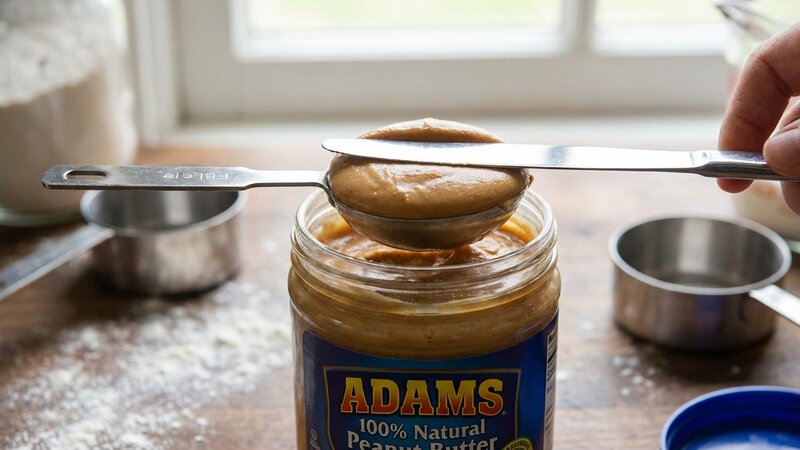
Peanut butter is the poster child for measuring errors. A “tablespoon” from the jar rarely matches what’s on the nutrition label.
Real-World Tablespoon Comparison
| Scoop Style | Actual Amount | Calories |
|---|---|---|
| Level tablespoon | 16g | 94 |
| Rounded tablespoon | 22g | 130 |
| Heaping tablespoon | 28g | 165 |
| ”Generous” tablespoon | 35g+ | 206+ |
The math: If you eat two “generous” tablespoons thinking it’s 188 calories, you might actually consume 400+ calories. That’s a 200+ calorie tracking error per sitting.
How to Measure Peanut Butter Accurately
Method 1: Weigh it (Most Accurate)
- Place jar on scale, tare to zero
- Scoop out desired amount
- The negative number = what you removed
- 32g = standard 2 tbsp serving
Method 2: Level Tablespoon
- Scoop peanut butter
- Use the back of a knife to level flat
- This gives you an actual tablespoon
Method 3: Portion Cups
- Some brands sell single-serve cups (Justin’s, Barney Butter)
- Pre-portioned = no measuring needed
- Usually 1.15 oz (32g) per cup
Peanut Butter Types Compared
Not all peanut butter is created equal. Here’s how different types stack up.
Per 2 Tablespoons (32g)
| Type | Calories | Protein | Carbs | Fat | Sugar |
|---|---|---|---|---|---|
| Natural creamy | 190 | 8g | 6g | 16g | 1g |
| Natural crunchy | 190 | 8g | 6g | 16g | 1g |
| Regular creamy | 188 | 7g | 7g | 16g | 3g |
| Regular crunchy | 188 | 7g | 7g | 16g | 3g |
| Reduced fat | 190 | 8g | 15g | 12g | 4g |
| Honey roasted | 190 | 6g | 12g | 15g | 7g |
| Powdered (PB2) | 45 | 5g | 5g | 1.5g | 1g |
Natural vs. Regular: What’s the Difference?
Natural peanut butter:
- Ingredients: Peanuts, maybe salt
- Oil separates and needs stirring
- Slightly grittier texture
- No added sugars or hydrogenated oils
Regular peanut butter:
- Ingredients: Peanuts, sugar, hydrogenated vegetable oil, salt
- Smooth, no separation
- Contains added sugar (2-3g per serving)
- May contain trans fats from hydrogenated oils
Macro impact: Nearly identical calories and macros. The main difference is 2-3g less sugar in natural and no trans fats.
Recommendation: Natural is cleaner, but regular isn’t terrible. The sugar difference is minimal. Choose based on texture preference and ingredient philosophy.
Reduced-Fat Peanut Butter: A Trap?
| Per 2 tbsp | Regular | Reduced Fat | Difference |
|---|---|---|---|
| Calories | 188 | 190 | +2 |
| Fat | 16g | 12g | -4g |
| Carbs | 6g | 15g | +9g |
| Sugar | 3g | 4g | +1g |
What happened? They removed fat and added sugar/carbs to maintain texture. You save 4g fat but gain 9g carbs. Same or MORE calories.
Verdict: Skip reduced-fat peanut butter. It’s not lower calorie and has worse macros for most goals.
Powdered Peanut Butter (PB2, PBfit)
Powdered peanut butter is regular peanut butter with most of the fat pressed out.
Powdered vs. Regular Comparison
| Per 2 tbsp | Regular PB | Powdered PB | Savings |
|---|---|---|---|
| Calories | 188 | 45-60 | ~130 cal |
| Protein | 8g | 5-6g | -2-3g |
| Fat | 16g | 1.5-2g | ~14g |
| Carbs | 6g | 5g | ~1g |
When to Use Powdered PB
Great for:
- Smoothies (peanut flavor, fewer calories)
- Oatmeal (stirring is easier)
- Protein shakes
- Baking (less fat means different texture)
- Dipping sauces (mix with soy sauce, honey)
Not great for:
- Spreading on toast (too dry)
- When you want satiety (fat keeps you full)
- Getting healthy fats in your diet
Making Powdered PB Spreadable
Mix 2 tbsp powder + 1 tbsp water = spreadable consistency
- This yields ~50 calories
- Texture is thinner than regular PB
- Good for when you want the flavor but not the calories
Making Peanut Butter Work for Different Diets
Weight Loss/Cutting
Peanut butter can fit a cut, but portion control is everything:
The good:
- Protein + fat = high satiety
- Can satisfy cravings (chocolate PB = dessert)
- 2 tbsp is a legitimate snack
The risk:
- Extremely easy to overeat
- Calorie-dense (588 cal per 100g)
- “One more spoonful” syndrome
Cutting strategies:
- Use powdered PB when possible
- Measure EVERY time (never eat from jar)
- Keep peanut butter portions to 1 tbsp if tracking strictly
- Pair with high-volume foods (PB + celery vs. PB on toast)
Volume hack: 1 tbsp PB (94 cal) + 2 cups celery (14 cal) = 108 cal total, lots of food
Keto/Low-Carb
Peanut butter fits keto in moderation:
Net carbs per 2 tbsp: ~4g (6g total - 2g fiber)
| Daily Carb Limit | PB Portion | Net Carbs Used |
|---|---|---|
| 20g | 2 tbsp | 4g (20%) |
| 50g | 2 tbsp | 4g (8%) |
Keto tips:
- Choose natural PB (no added sugar)
- Watch portions (fat calories add up)
- Pair with keto-friendly items (celery, low-carb bread)
High-Protein Diet
Peanut butter provides protein but shouldn’t be a primary source:
Protein efficiency comparison:
| Food (188 calories) | Protein |
|---|---|
| Peanut butter (2 tbsp) | 8g |
| Chicken breast (4 oz) | 35g |
| Greek yogurt (1 cup) | 18g |
| Eggs (2.5 large) | 16g |
How to use: Add peanut butter to boost protein in meals (smoothies, oatmeal) rather than relying on it as a protein source.
Muscle Building/Bulking
Peanut butter is a bulking staple—easy calories from good sources:
Why it works for bulking:
- 188 calories in 2 tablespoons
- Easy to add to meals
- Doesn’t fill you up as much as protein
- Relatively cheap calories
Bulking additions:
| Add PB To | Extra Calories |
|---|---|
| Smoothie (2 tbsp) | +188 |
| Oatmeal (2 tbsp) | +188 |
| Protein shake (1 tbsp) | +94 |
| Pre-bed snack (3 tbsp) | +282 |
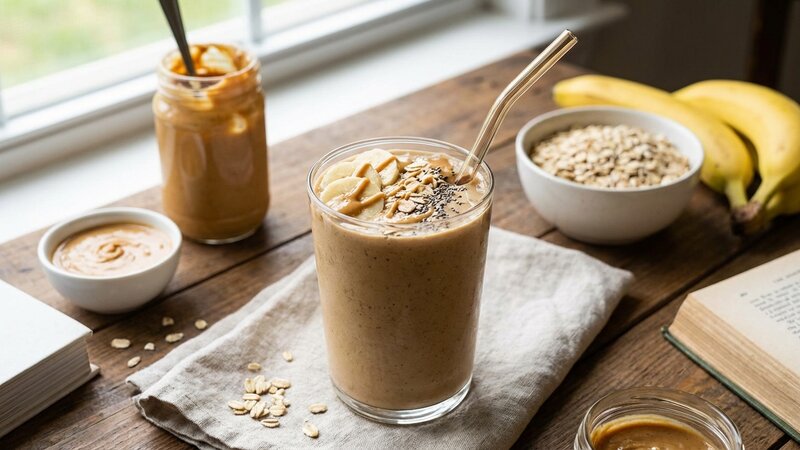
High-calorie PB shake (600+ cal):
- 2 tbsp peanut butter (188)
- 1 banana (105)
- 1 cup whole milk (150)
- 1 scoop whey (120)
- 1 tbsp honey (64)
- Total: 627 calories, 36g protein
Peanut Butter vs. Other Nut Butters
How does peanut butter compare to alternatives?
Per 2 Tablespoons (32g)
| Nut Butter | Calories | Protein | Carbs | Fat | Best For |
|---|---|---|---|---|---|
| Peanut | 188 | 8g | 6g | 16g | Protein, value |
| Almond | 196 | 7g | 6g | 18g | Vitamin E, fiber |
| Cashew | 188 | 5g | 9g | 16g | Creaminess, taste |
| Sunflower seed | 200 | 6g | 7g | 18g | Nut-free option |
| Walnut | 185 | 4g | 4g | 18g | Omega-3s |
| Hazelnut (Nutella*) | 200 | 2g | 22g | 12g | Dessert |
*Nutella is mostly sugar and should be considered a spread, not a nut butter.
Why Choose Peanut Butter?
Best protein: 8g per serving beats all competitors Best value: Cheapest nut butter by far Most versatile: Works in savory and sweet applications
When to Choose Alternatives
- Almond butter: More vitamin E, slightly more fiber
- Cashew butter: Creamier texture, good for sauces
- Sunflower seed butter: Nut allergy alternative
Meal Ideas with Peanut Butter
Breakfast Options
PB Banana Oatmeal:
| Ingredient | Calories | Protein |
|---|---|---|
| 1/2 cup oats | 156 | 6.8g |
| 1 tbsp PB | 94 | 4g |
| 1/2 banana | 53 | 0.6g |
| Total | 303 | 11.4g |
PB Protein Toast:
| Ingredient | Calories | Protein |
|---|---|---|
| 2 slices whole grain bread | 160 | 8g |
| 2 tbsp PB | 188 | 8g |
| 1 tbsp honey (optional) | 64 | 0g |
| Total | 348-412 | 16g |
Snack Combinations
Apple + PB (Classic):
- 1 medium apple (95 cal) + 2 tbsp PB (188 cal)
- Total: 283 calories, 8g protein
Celery + PB (Volume version):
- 4 celery stalks (10 cal) + 2 tbsp PB (188 cal)
- Total: 198 calories, 8g protein
PB + Greek Yogurt Dip:
- 1/2 cup Greek yogurt (65 cal, 12g protein)
- 1 tbsp PB (94 cal, 4g protein)
- Mix together for fruit dip
- Total: 159 calories, 16g protein
Protein-Boosted Recipes
Peanut Butter Protein Balls (makes 12):
| Ingredient | Amount |
|---|---|
| Natural PB | 1 cup |
| Oats | 1 cup |
| Protein powder | 1/2 cup |
| Honey | 3 tbsp |
| Dark chocolate chips | 1/4 cup |
Per ball: ~150 calories, 6g protein
Thai Peanut Chicken:
| Ingredient | Calories | Protein |
|---|---|---|
| 6 oz chicken breast | 281 | 53g |
| 2 tbsp PB sauce | 100 | 4g |
| 1 cup vegetables | 50 | 2g |
| Total | 431 | 59g |
PB Sauce Recipe (for cooking):
- 2 tbsp PB
- 1 tbsp soy sauce
- 1 tsp sesame oil
- 1 tsp honey
- Water to thin
Makes 4 servings, ~50 cal each
Dessert/Sweet Treats
PB Chocolate “Nice Cream”:
| Ingredient | Calories |
|---|---|
| 2 frozen bananas | 210 |
| 2 tbsp PB | 188 |
| 1 tbsp cocoa powder | 12 |
| Total (2 servings) | ~205 each |
Blend frozen bananas until creamy, swirl in PB and cocoa.
Common Tracking Mistakes
Mistake #1: Never Measuring
“I’ve been eating peanut butter for years, I know what 2 tablespoons looks like.”
You probably don’t. Most people overestimate by 50-100%.
Fix: Measure every time, especially during a cut. Use a scale for best accuracy.
Mistake #2: Eating From the Jar
You told yourself “just a little” and ate 4 tablespoons (376 calories).
Fix: Scoop your portion into a separate dish. Put the jar away. Eat from the dish.
Mistake #3: Forgetting Cooking PB
Peanut sauce on your stir-fry, PB in your smoothie, PB in your baked oatmeal—it adds up.
Fix: Log ALL peanut butter, not just obvious servings.
Mistake #4: Assuming “Natural” = Fewer Calories
Natural peanut butter has nearly identical calories to regular.
Fix: Track natural PB the same as regular. The health benefit is cleaner ingredients, not fewer calories.
Mistake #5: Not Counting the Knife Lick
That “tiny bit” left on the knife after spreading? It’s probably 25-50 calories.
Fix: Either count it (round up your serving) or don’t lick the knife.
Peanut Butter Storage and Quality
Storage Guidelines
| Location | Duration | Notes |
|---|---|---|
| Pantry (regular PB) | 3-4 months | Stable, no separation |
| Pantry (natural PB) | 1-2 months | Stir before use |
| Refrigerator | 6+ months | Extends life, firms up |
Natural PB tip: Store upside down in the pantry. The oil distributes, making stirring easier.
Signs PB Has Gone Bad
- Rancid or “off” smell
- Very dry, crumbly texture
- Dark color change
- Bitter taste
Peanut butter rarely spoils in a dangerous way—it mostly loses quality and taste.
Health Benefits Beyond Macros
Per 2 tbsp serving:
| Nutrient | Amount | % Daily Value |
|---|---|---|
| Niacin | 4.2mg | 21% |
| Magnesium | 49mg | 12% |
| Phosphorus | 115mg | 12% |
| Vitamin E | 2.9mg | 10% |
| Vitamin B6 | 0.2mg | 9% |
Research-backed benefits:
- Associated with reduced heart disease risk
- May improve blood sugar control
- Linked to lower weight despite calorie density
- Good source of plant protein and healthy fats
The Bottom Line
Peanut butter is a macro-friendly food that fits most diets—when tracked accurately:
- 188 calories per 2 tbsp — Know this number
- 8g protein — Highest among nut butters
- 16g fat — Mostly healthy unsaturated fats
- 6g carbs — Fits low-carb diets in moderation
Key tracking rules:
- Always measure (scale > tablespoon > eyeball)
- Never eat from the jar
- Log ALL peanut butter (cooking, smoothies, everything)
- A level tablespoon, not heaping
Peanut butter can help with satiety during a cut or provide easy calories during a bulk. The key is knowing exactly how much you’re eating—because estimation errors with peanut butter are easy to make and calorically significant.
Related guides:
Related Articles
Dragonfruit Macros: Complete Nutrition Guide for Pitaya
Complete macro breakdown of dragonfruit (pitaya). Learn the calories, protein, carbs, and...
Read guide →
Bulgur Macros: Complete Nutritional Guide & Health Benefits
Discover bulgur's complete macro breakdown, nutritional benefits, and how to incorporate...
Read guide →
Radish Macros: Nutrition Facts and Health Benefits
Complete guide to radish macros and nutrition. Learn calories, protein, carbs, and health...
Read guide →Note: Nutrition values are approximate and may vary based on preparation method and source.