Pork Chop Macros: Complete Nutrition Facts & Calories
Reviewed by Dr. Michael Torres, PhD
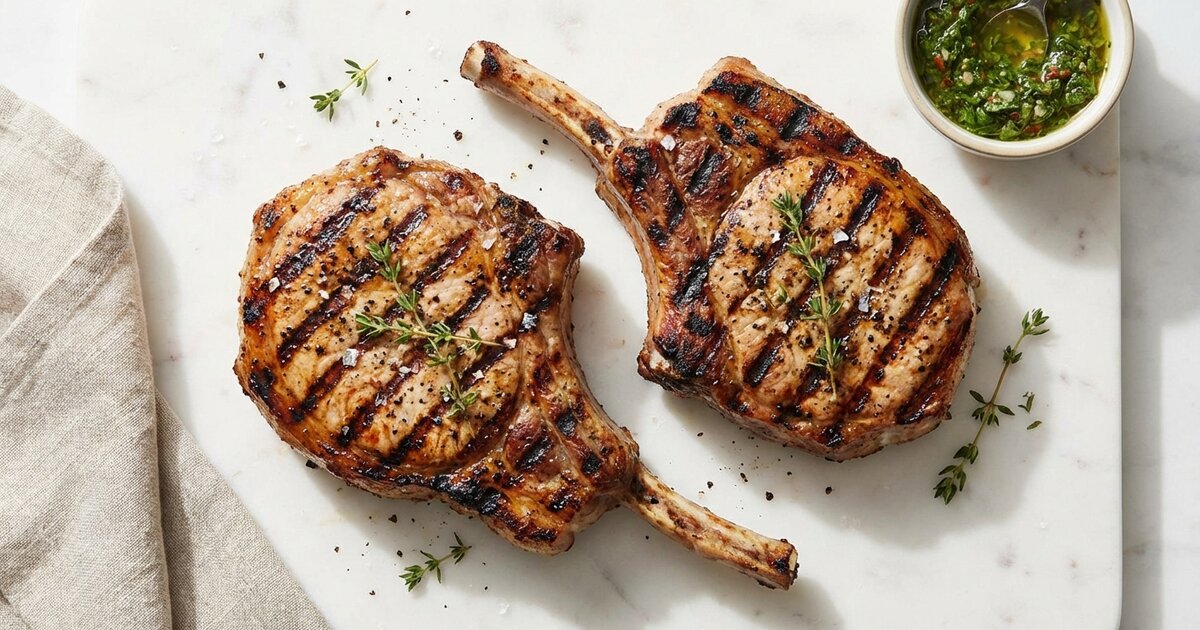
Pork chops are a protein powerhouse that often gets overlooked in favor of chicken and beef. With roughly 26 grams of protein per 100g cooked and zero carbs, pork chops deliver excellent macros for anyone tracking their nutrition—whether you’re building muscle, losing weight, or following a low-carb diet.
But not all pork chops are created equal. The cut you choose dramatically affects your macros, from lean center-cut loin chops to fattier rib chops. Understanding these differences helps you make smarter choices at the grocery store and track your intake more accurately.
This guide breaks down pork chop macros by cut, cooking method, and serving size, plus shows you how to fit them into various diet approaches.
Pork Chop Macros: Quick Reference
Here’s the macro breakdown for the most common pork chop preparations. All values are for boneless, cooked pork chops unless otherwise noted.
| Measurement | Calories | Protein | Carbs | Fat |
|---|---|---|---|---|
| 100g cooked (boneless) | 231 | 26g | 0g | 13g |
| 4 oz (113g) cooked | 261 | 29g | 0g | 15g |
| 6 oz (170g) cooked | 393 | 44g | 0g | 22g |
| 8 oz (227g) cooked | 524 | 59g | 0g | 30g |
| 100g raw (boneless) | 171 | 21g | 0g | 9g |
| 1 medium chop (145g cooked) | 335 | 38g | 0g | 19g |
Key insight: Like all meats, pork chops lose about 25% of their weight during cooking due to moisture loss. A 6 oz raw pork chop becomes roughly 4.5 oz cooked. The total calories and protein remain the same—they’re just concentrated into less weight.
Pork Chop Macros by Cut
Different pork chop cuts vary significantly in fat content, which affects total calories.
Center-Cut Loin Chops (Leanest)
| Serving | Calories | Protein | Carbs | Fat |
|---|---|---|---|---|
| 100g cooked | 197 | 27g | 0g | 9g |
| 4 oz cooked | 223 | 31g | 0g | 10g |
| 6 oz cooked | 335 | 46g | 0g | 15g |
Center-cut loin chops are the leanest option. Cut from the center of the loin, they have minimal fat marbling and deliver maximum protein per calorie. Ideal for fat loss phases.
Rib Chops (Most Flavorful)
| Serving | Calories | Protein | Carbs | Fat |
|---|---|---|---|---|
| 100g cooked | 252 | 25g | 0g | 16g |
| 4 oz cooked | 285 | 28g | 0g | 18g |
| 6 oz cooked | 428 | 43g | 0g | 27g |
Rib chops come from the rib section and have more marbling. They’re juicier and more forgiving to cook, but higher in fat. Great for keto and those in a muscle-building phase.
Bone-In Chops
| Serving | Calories | Protein | Carbs | Fat |
|---|---|---|---|---|
| 100g meat only | 231 | 26g | 0g | 13g |
| 1 medium bone-in (200g total) | 347 | 39g | 0g | 20g |
Bone-in chops include the weight of the bone, which is about 15-20% of the total weight. When tracking, either weigh just the meat or account for bone weight in your calculation.
Blade Chops (Fattiest)
| Serving | Calories | Protein | Carbs | Fat |
|---|---|---|---|---|
| 100g cooked | 275 | 24g | 0g | 19g |
| 4 oz cooked | 311 | 27g | 0g | 21g |
Blade chops come from the shoulder end of the loin. They have the most fat and connective tissue, making them great for braising but highest in calories.
How Cooking Method Affects Macros
The way you cook pork chops can add significant calories—or keep them lean.
Grilled or Baked (No Added Fat)
| Serving | Calories | Protein | Carbs | Fat |
|---|---|---|---|---|
| 4 oz cooked | 261 | 29g | 0g | 15g |
This is your baseline. No added oil means you’re getting only the fat naturally present in the meat.
Pan-Fried in Oil (1 tbsp)
| Serving | Calories | Protein | Carbs | Fat |
|---|---|---|---|---|
| 4 oz cooked | 381 | 29g | 0g | 29g |
Adding 1 tablespoon of oil increases the calorie count by 120 and adds 14g of fat. The pork absorbs some oil during cooking.
Breaded and Fried
| Serving | Calories | Protein | Carbs | Fat |
|---|---|---|---|---|
| 4 oz cooked | 450 | 25g | 15g | 30g |
Breading adds carbs from the flour and breadcrumbs, plus extra fat from frying. A breaded pork chop has roughly 70% more calories than a plain grilled one.
Pro tip: Use cooking spray instead of oil to minimize added fat. Air frying breaded pork chops also reduces fat absorption significantly.
Understanding Macronutrients
To make the most of pork chops in your diet, it helps to understand what macronutrients are and how they work together. Protein is the star macro in pork chops, essential for muscle building and repair.
Pork Chops vs. Other Proteins
How do pork chops stack up against other popular protein sources?
| Protein (100g cooked) | Calories | Protein | Carbs | Fat |
|---|---|---|---|---|
| Pork chop (center-cut) | 197 | 27g | 0g | 9g |
| Chicken breast | 165 | 31g | 0g | 3.6g |
| Salmon | 208 | 20g | 0g | 13g |
| Ground beef (90% lean) | 217 | 27g | 0g | 11g |
| Steak (sirloin) | 206 | 26g | 0g | 11g |
The takeaway: Lean pork chops have macros very similar to 90% lean ground beef and sirloin steak. They’re slightly higher in fat than chicken breast but offer more variety in your protein rotation.
How Pork Chops Fit Different Diets
Keto and Low-Carb
Pork chops are perfect for keto with zero carbs. Fattier cuts like rib chops help you meet your fat goals while staying in ketosis. Pair with non-starchy vegetables like asparagus or cauliflower mash.
High-Protein Diets
At 26-27g protein per 100g, pork chops deliver excellent protein density. A 6 oz chop provides nearly 45g of protein, helping you hit daily targets of 150g+ without eating huge volumes of food.
Calorie Deficit for Fat Loss
Choose center-cut loin chops for the leanest option. At 197 calories and 27g protein per 100g, they’re nearly as lean as chicken breast while offering more flavor. Grill or bake without added oil.
Muscle Building (Bulking)
When bulking, the extra fat in pork chops helps you meet calorie goals without feeling overly stuffed. Rib chops provide around 250 calories per 100g with excellent protein, making it easier to eat in a surplus.
Meal Ideas with Pork Chops
Macro-Friendly Pork Chop Meals
High-Protein Lunch (520 cal, 52g protein, 28g carbs, 22g fat)
- 6 oz grilled center-cut pork chop
- 1 cup roasted sweet potato
- 1 cup steamed broccoli
Keto Dinner (580 cal, 48g protein, 6g carbs, 40g fat)
- 6 oz pan-seared rib chop (in butter)
- Cauliflower mash with cheese
- Sautéed spinach
Lean and Clean (350 cal, 45g protein, 12g carbs, 12g fat)
- 6 oz baked center-cut pork chop
- 1 cup roasted Brussels sprouts
- Side salad with vinegar dressing
Meal Prep Friendly (450 cal, 40g protein, 35g carbs, 15g fat)
- 5 oz sliced pork chop
- 3/4 cup brown rice
- Stir-fried vegetables
Quick Weeknight (400 cal, 38g protein, 20g carbs, 18g fat)
- 5 oz pork chop
- 1 medium baked potato
- Steamed green beans
Tracking Pork Chops Accurately
Raw vs. Cooked Weight
Always note whether you’re logging raw or cooked weight. Most tracking apps have entries for both, but using the wrong one can throw off your macros by 25%.
Best practice: Weigh raw, cook, then log as “raw” weight. This gives you the most accurate count since moisture loss varies with cooking method.
Accounting for Bone
If buying bone-in chops, remember that 15-20% of the weight is bone. Either:
- Remove the bone and weigh just the meat
- Buy boneless to simplify tracking
- Use a bone-in specific entry in your tracking app
Use the Macro Calculator
Not sure how pork chops fit into your daily targets? Use our free macro calculator to determine your ideal protein, carb, and fat goals based on your specific goals.
Buying and Storing Tips
At the Store
- For lean macros: Choose center-cut loin chops
- For keto/flavor: Choose rib chops
- For budget: Blade chops are usually cheapest
- Look for pink color with minimal gray
- Fat should be white, not yellow
Storage
- Refrigerator: 3-5 days in original packaging
- Freezer: 4-6 months wrapped tightly
- Thaw in refrigerator overnight, never at room temperature
Cooking Temperature
Pork is safe at 145°F (63°C) internal temperature, followed by a 3-minute rest. Using a meat thermometer prevents both undercooking and the dry, tough texture of overcooked pork.
Common Questions About Pork Chop Macros
Is Pork Healthier Than Beef?
Lean pork and lean beef have similar macros and both fit into a healthy diet. Pork tends to be slightly lower in saturated fat, while beef is higher in certain B vitamins. Both are excellent protein sources—variety is key.
Why Do Pork Chop Macros Vary So Much?
The cut matters enormously. A blade chop can have nearly 80% more fat than a center-cut loin chop. Always identify your specific cut when tracking. When in doubt, use “pork chop, lean only” entries for a conservative estimate.
Can I Eat Pork Chops Every Day?
From a macro perspective, yes. Pork chops provide complete protein with all essential amino acids. For overall nutrition, rotating between pork, chicken, fish, and beef ensures you get a variety of micronutrients. The flexible dieting approach supports variety while staying on target.
Final Thoughts
Pork chops deserve a regular spot in your meal rotation. They deliver excellent protein with zero carbs, work for virtually any diet approach, and offer more flavor variety than chicken breast. The key is choosing the right cut for your goals:
- Fat loss: Center-cut loin chops, grilled or baked
- Keto: Rib chops or blade chops with added fats
- Muscle building: Any cut works; fattier cuts help meet calorie goals
- Maintenance: Rotate between cuts based on your other meals that day
Track accurately by weighing before cooking, choose your cut wisely, and pork chops become a reliable tool for hitting your macros consistently.
Related Articles

Dragonfruit Macros: Complete Nutrition Guide for Pitaya
Complete macro breakdown of dragonfruit (pitaya). Learn the calories, protein, carbs, and...
Read guide →
Bulgur Macros: Complete Nutritional Guide & Health Benefits
Discover bulgur's complete macro breakdown, nutritional benefits, and how to incorporate...
Read guide →
Radish Macros: Nutrition Facts and Health Benefits
Complete guide to radish macros and nutrition. Learn calories, protein, carbs, and health...
Read guide →Note: Nutrition values are approximate and may vary based on preparation method and source.