Shrimp Macros: Complete Nutrition Facts & Calories
Reviewed by Dr. Michael Torres, PhD
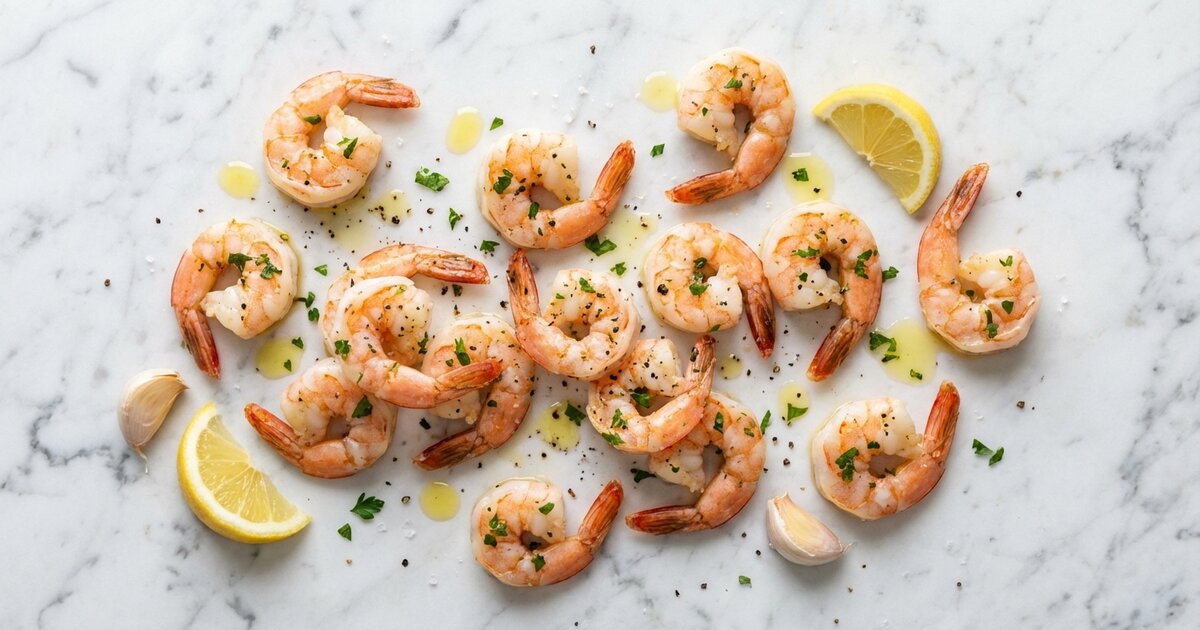
Shrimp might be the most underrated protein for macro tracking. With 24 grams of protein and only 99 calories per 100g, shrimp delivers an incredible protein-to-calorie ratio that rivals any food in existence. It’s lean, quick to cook, and versatile enough for everything from salads to stir-fries.
If you’re trying to maximize protein while minimizing calories—whether for weight loss or simply hitting protein goals—shrimp should be on your radar. This guide breaks down shrimp macros completely so you can track accurately and use this protein powerhouse effectively.
Shrimp Macros: Quick Reference
Here’s what you need to know about shrimp nutrition. All values are for plain cooked shrimp (steamed, boiled, or grilled without added fat).
| Measurement | Calories | Protein | Carbs | Fat |
|---|---|---|---|---|
| 100g cooked | 99 | 24g | 0g | 1g |
| 4 oz (113g) cooked | 112 | 27g | 0g | 1g |
| 6 oz (170g) cooked | 168 | 41g | 0g | 2g |
| 10 large shrimp (~100g) | 99 | 24g | 0g | 1g |
| 15 medium shrimp (~100g) | 99 | 24g | 0g | 1g |
| 1 lb cooked (454g) | 449 | 109g | 0g | 5g |
Key insight: Shrimp is one of the leanest protein sources available. You can eat a massive amount of shrimp for very few calories while getting substantial protein.
Shrimp Sizes and Counts
Shrimp are sold by “count”—the number of shrimp per pound. Understanding this helps with tracking.
| Size | Count per Pound | Weight per Shrimp | Calories per Shrimp |
|---|---|---|---|
| Colossal | 8-12 | 38-57g | 38-56 cal |
| Jumbo | 16-20 | 23-28g | 23-28 cal |
| Extra Large | 21-25 | 18-22g | 18-22 cal |
| Large | 26-30 | 15-17g | 15-17 cal |
| Medium | 36-40 | 11-13g | 11-13 cal |
| Small | 51-60 | 8-9g | 8-9 cal |
Pro tip: For macro tracking, weight is always more accurate than counting shrimp, since sizes vary even within the same category.
Raw vs. Cooked Weight
Shrimp lose about 20% of their weight when cooked due to moisture loss.
| Raw Weight | Cooked Weight | Calories |
|---|---|---|
| 6 oz (170g) raw | ~4.8 oz (136g) cooked | 135 cal |
| 8 oz (227g) raw | ~6.4 oz (181g) cooked | 179 cal |
| 1 lb (454g) raw | ~12.8 oz (363g) cooked | 359 cal |
Best practice: Weigh raw shrimp before cooking and log as “raw,” or weigh after cooking and log as “cooked.” Just be consistent with your tracking app entry.
Shrimp Macros by Preparation
How you cook shrimp dramatically affects the final macros.
Plain (Steamed, Boiled, Grilled No Oil)
| Serving | Calories | Protein | Carbs | Fat |
|---|---|---|---|---|
| 6 oz cooked | 168 | 41g | 0g | 2g |
This is your baseline—pure protein with minimal fat. Best for strict calorie counting.
Sautéed in Butter (1 tbsp)
| Serving | Calories | Protein | Carbs | Fat |
|---|---|---|---|---|
| 6 oz cooked | 268 | 41g | 0g | 13g |
One tablespoon of butter adds 100 calories and 11g fat. Delicious, but track it.
Sautéed in Olive Oil (1 tbsp)
| Serving | Calories | Protein | Carbs | Fat |
|---|---|---|---|---|
| 6 oz cooked | 288 | 41g | 0g | 15g |
Olive oil adds 120 calories and 14g fat per tablespoon. Heart-healthy fats, but calorie-dense.
Breaded and Fried (Coconut Shrimp/Popcorn Shrimp)
| Serving | Calories | Protein | Carbs | Fat |
|---|---|---|---|---|
| 6 oz | 450 | 32g | 25g | 25g |
Breading and frying nearly triples the calories. Restaurant coconut shrimp can be even higher.
Shrimp Cocktail (with sauce)
| Serving | Calories | Protein | Carbs | Fat |
|---|---|---|---|---|
| 6 shrimp + 2 tbsp cocktail sauce | 130 | 18g | 8g | 1g |
Cocktail sauce adds carbs from sugar but stays relatively low calorie. A smart appetizer choice.
Understanding Macronutrients
Shrimp is almost pure protein—one of the best examples of a lean protein source. To understand how protein fits into your overall nutrition, check out our guide on what macronutrients are.
Shrimp vs. Other Proteins
How does shrimp stack up against other protein sources?
| Protein (100g cooked) | Calories | Protein | Carbs | Fat |
|---|---|---|---|---|
| Shrimp | 99 | 24g | 0g | 1g |
| Chicken breast | 165 | 31g | 0g | 3.6g |
| Tilapia | 128 | 26g | 0g | 3g |
| Salmon | 208 | 20g | 0g | 13g |
| Tuna | 132 | 29g | 0g | 1g |
| Eggs | 155 | 11g | 1g | 13g |
The verdict: Shrimp offers the best protein-to-calorie ratio of common proteins. Only 99 calories to get 24g of protein is exceptional.
How Shrimp Fits Different Diets
Keto and Low-Carb
Shrimp is perfect for keto with zero carbs. The only consideration is that it’s very low in fat, so you’ll need to:
- Cook in butter, olive oil, or coconut oil
- Pair with high-fat sides like avocado
- Use creamy sauces (alfredo, garlic butter)
Calorie Deficit / Weight Loss
Shrimp is possibly the best protein for aggressive weight loss:
- 99 calories per 100g is incredibly low
- High protein promotes satiety
- You can eat a lot without many calories
- Quick cooking reduces temptation to order out
A pound of cooked shrimp has just 449 calories and 109g protein—you’d struggle to find a better fat-loss protein.
High-Protein Diets
At 24g protein per 100g, shrimp makes hitting protein targets easy. An 8 oz serving delivers 54g protein for only 224 calories. Compare that to getting 54g from chicken breast at 280+ calories.
Flexible Dieting
Shrimp fits beautifully into flexible dieting—it’s so low in calories that it leaves room for other foods you enjoy. Use shrimp as your protein base and you’ll have plenty of macro budget remaining.
Meal Ideas with Shrimp
Protein-Packed Shrimp Bowl (450 cal, 48g protein, 40g carbs, 10g fat)
- 6 oz grilled shrimp
- 1/2 cup brown rice
- 1 cup stir-fried vegetables
- 1 tbsp teriyaki sauce
- Sesame seeds
Keto Shrimp Scampi (380 cal, 42g protein, 4g carbs, 22g fat)
- 6 oz shrimp sautéed in butter
- Garlic, white wine, lemon
- Zucchini noodles
- Parmesan cheese
Quick Shrimp Salad (320 cal, 38g protein, 15g carbs, 12g fat)
- 5 oz grilled shrimp
- Mixed greens
- Cherry tomatoes, cucumber
- 1/4 avocado
- 2 tbsp light dressing
Shrimp Tacos (380 cal, 35g protein, 30g carbs, 14g fat)
- 5 oz seasoned shrimp
- 2 small corn tortillas
- Cabbage slaw
- Lime crema (2 tbsp)
- Cilantro
Meal Prep Shrimp Stir-Fry (350 cal, 40g protein, 25g carbs, 10g fat)
- 6 oz shrimp
- 2 cups mixed vegetables
- 1 tbsp sesame oil
- Soy sauce, ginger, garlic
Calculate Your Macros
Not sure how much shrimp fits your daily targets? Use our macro calculator to determine your protein, carb, and fat goals, then plan shrimp meals accordingly.
Buying and Storing Tips
Fresh vs. Frozen
Most “fresh” shrimp at the seafood counter was previously frozen—frozen at sea is often fresher than “fresh” shrimp that’s been sitting out. Buying frozen gives you:
- Longer shelf life
- Often better quality
- Lower price
- Cook only what you need
What to Look For
- Firm, translucent flesh (raw)
- No ammonia smell
- “Wild caught” vs “farm raised” is personal preference; both have good macros
- Deveined saves prep time
Storage
- Refrigerator (raw): 1-2 days
- Freezer: 6-12 months in airtight bag
- Thaw in refrigerator overnight or under cold running water
- Never thaw at room temperature
Size Selection
- Large/jumbo: Best for grilling, shrimp cocktail
- Medium: Ideal for stir-fries, pasta dishes
- Small: Good for soups, casseroles, shrimp salads
The Cholesterol Question
Shrimp contains about 190mg of cholesterol per 100g—higher than most foods. However:
- Dietary cholesterol has minimal impact on blood cholesterol for most people
- The American Heart Association removed daily cholesterol limits in 2015
- Shrimp’s low saturated fat content matters more than cholesterol
- Studies show no link between shrimp consumption and heart disease
Unless your doctor specifically advises limiting dietary cholesterol, shrimp is a healthy choice.
Common Shrimp Questions
How Do I Know When Shrimp Is Cooked?
Shrimp cook quickly—just 2-3 minutes per side. They’re done when:
- Color changes from gray/translucent to pink/white
- They curl into a C shape (overcooked shrimp curl into an O)
- Internal temperature reaches 145°F (63°C)
Overcooked shrimp become rubbery, so watch carefully.
Are Shrimp and Prawns the Same?
For macro tracking purposes, yes. “Shrimp” and “prawns” are often used interchangeably, though technically they’re different species. Nutritionally, they’re nearly identical.
Is Canned Shrimp Okay?
Canned shrimp has similar macros to fresh (about 100 calories, 22g protein per 100g). It’s convenient for shrimp salads and quick meals, though texture is softer. Watch sodium content—rinse before using to reduce.
Final Thoughts
Shrimp is a macro tracking superstar. At 99 calories and 24g protein per 100g, it offers unmatched protein efficiency. Whether you’re cutting calories aggressively, building muscle, or following keto, shrimp delivers.
Best uses:
- Weight loss (massive portions, minimal calories)
- Hitting protein goals without calorie excess
- Quick weeknight dinners (cooks in 5 minutes)
- Adding protein to salads, pasta, stir-fries
Tips for success:
- Buy frozen for best quality and value
- Weigh portions for accurate tracking
- Cook plain, add fats separately to control macros
- Don’t worry about cholesterol—the science has evolved
Stock your freezer with shrimp and you’ll always have a lean, quick-cooking protein ready to help you hit your macros.
Related Articles
Dragonfruit Macros: Complete Nutrition Guide for Pitaya
Complete macro breakdown of dragonfruit (pitaya). Learn the calories, protein, carbs, and...
Read guide →
Bulgur Macros: Complete Nutritional Guide & Health Benefits
Discover bulgur's complete macro breakdown, nutritional benefits, and how to incorporate...
Read guide →
Radish Macros: Nutrition Facts and Health Benefits
Complete guide to radish macros and nutrition. Learn calories, protein, carbs, and health...
Read guide →Note: Nutrition values are approximate and may vary based on preparation method and source.