Tuna Macros: Complete Nutrition Facts & Calories
Reviewed by Sarah Chen, MS, RD
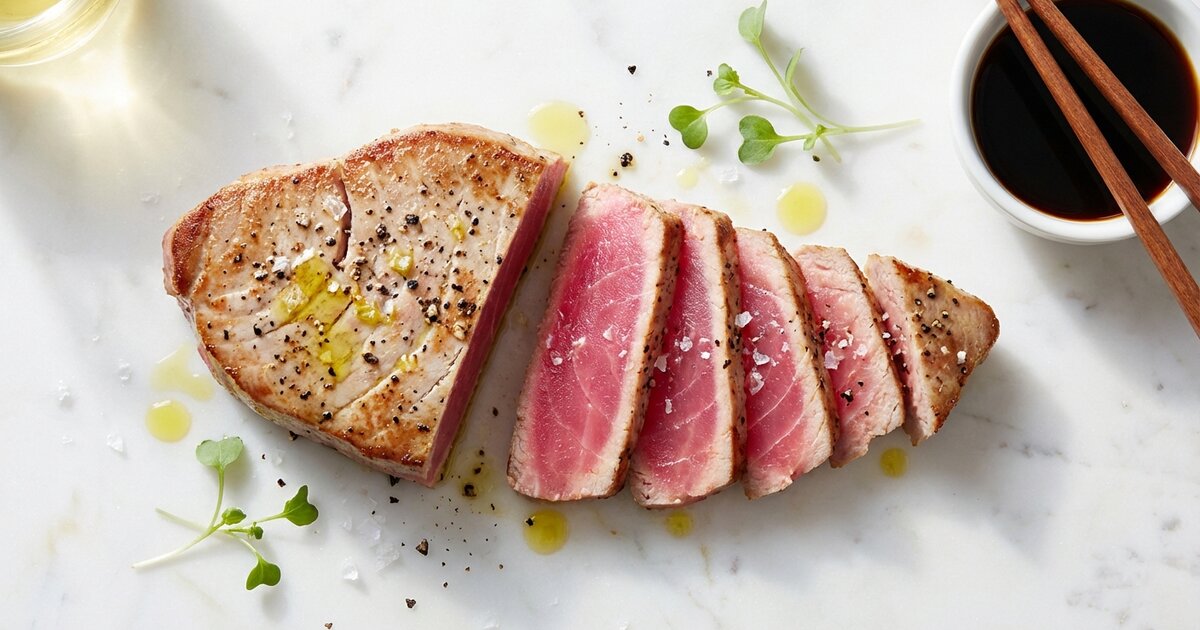
Tuna is the ultimate budget protein—affordable, shelf-stable, high in protein, and virtually zero-prep. A single can packs more protein than a chicken breast for a fraction of the cost and effort.
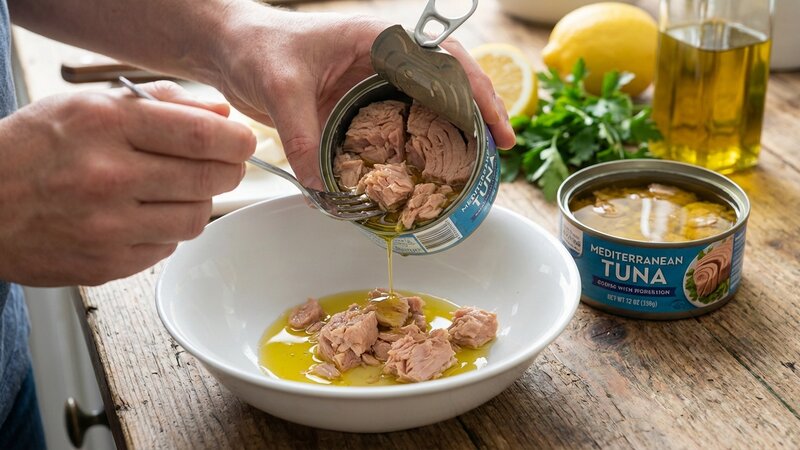
But tuna macros vary significantly based on type (light vs. albacore), packing medium (water vs. oil), and whether you drain it. This guide breaks down tuna macros completely so you know exactly what you’re getting from every can and preparation.
Related: Learn more about what macros are and how they impact your diet.
Tuna Macros: Quick Reference
Here’s what you need to know for the most common tuna types.
Canned Tuna in Water (Drained)
| Serving | Calories | Protein | Carbs | Fat |
|---|---|---|---|---|
| 100g | 116 | 26g | 0g | 0.8g |
| 1 can (5 oz/142g) drained | 130 | 37g | 0g | 1g |
| 3 oz (85g) | 99 | 22g | 0g | 0.7g |
| 1/2 can (2.5 oz) | 65 | 18.5g | 0g | 0.5g |
Canned Tuna in Oil (Drained)
| Serving | Calories | Protein | Carbs | Fat |
|---|---|---|---|---|
| 100g | 198 | 29g | 0g | 8g |
| 1 can (5 oz/142g) drained | 280 | 41g | 0g | 11g |
| 3 oz (85g) | 168 | 25g | 0g | 7g |
Fresh Tuna Steak (Cooked)
| Serving | Calories | Protein | Carbs | Fat |
|---|---|---|---|---|
| 100g | 184 | 30g | 0g | 6g |
| 4 oz (113g) | 208 | 34g | 0g | 7g |
| 6 oz (170g) | 313 | 51g | 0g | 10g |
Key insight: Tuna in water is dramatically lower in calories than tuna in oil—a 150-calorie difference per can while providing the same protein.
Canned Tuna: Water vs. Oil
This is the biggest macro decision you’ll make with tuna.
Side-by-Side Comparison (Per 5 oz Can, Drained)
| Factor | Tuna in Water | Tuna in Oil |
|---|---|---|
| Calories | 130 | 280 |
| Protein | 37g | 41g |
| Fat | 1g | 11g |
| Omega-3s | 300mg | 600mg |
| Price | Same | Same |
| Taste | Drier, fishier | Richer, milder |
Why Choose Water
For weight loss/cutting:
- 150 fewer calories per can
- Same protein (actually, slightly less)
- Can add your own healthy fats if desired
Best uses:
- When mixing with other ingredients (mayo, etc.)
- High-volume eating on a cut
- When you need maximum protein per calorie
Why Choose Oil
For bulking/maintenance:
- More omega-3 fatty acids
- Better taste and texture
- More satisfying
Best uses:
- Eating straight from the can
- When you have calories to spare
- When flavor matters most
The Draining Factor
Tuna in oil: Draining removes about 40% of the oil, but significant fat remains. Even drained, oil-packed tuna has 7-8x more fat than water-packed.
Tuna in water: Draining has minimal calorie impact—mostly just removes water and slight fish liquid.
Tip: If using oil-packed tuna, press firmly with paper towels to remove maximum oil.
Canned Tuna Types Explained
Not all canned tuna is the same. Here’s how they differ:
Chunk Light vs. Albacore (White)
| Per 5 oz Can (Drained) | Chunk Light | Albacore |
|---|---|---|
| Calories | 130 | 145 |
| Protein | 37g | 38g |
| Fat | 1g | 2.5g |
| Mercury level | Lower | Higher |
| Price | Lower | Higher |
| Texture | Softer, flakier | Firmer, meatier |
Which Should You Choose?
Chunk Light Tuna:
- Better for: Budget, eating frequently, cutting
- Source: Skipjack tuna
- Mercury: Lower (can eat 12 oz/week per FDA)
- Best for: Tuna salad, casseroles, mixing with other ingredients
Albacore (White) Tuna:
- Better for: Taste, special occasions
- Source: Albacore tuna
- Mercury: Higher (limit to 6 oz/week per FDA)
- Best for: Eating plain, tuna melts, when texture matters
Solid vs. Chunk
Solid: Larger pieces, better for eating plain Chunk: Flaked pieces, better for mixing (salads, sandwiches) Macros: Identical—the difference is texture only
Fresh Tuna Macros
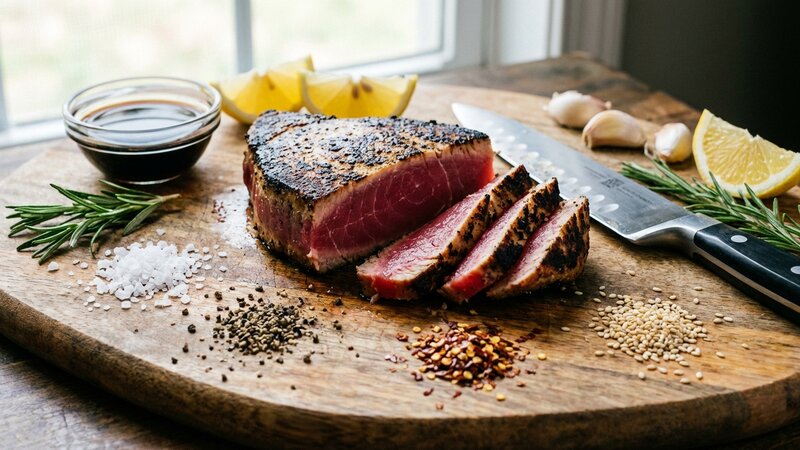
Fresh tuna steaks have different macros than canned.
Yellowfin Tuna (Ahi)
| Serving | Calories | Protein | Carbs | Fat |
|---|---|---|---|---|
| 100g raw | 109 | 24g | 0g | 1g |
| 100g cooked | 130 | 29g | 0g | 1.2g |
| 6 oz steak cooked | 221 | 49g | 0g | 2g |
Bluefin Tuna
| Serving | Calories | Protein | Carbs | Fat |
|---|---|---|---|---|
| 100g raw | 144 | 23g | 0g | 5g |
| 100g cooked | 184 | 30g | 0g | 6g |
| 6 oz steak cooked | 313 | 51g | 0g | 10g |
Fresh vs. Canned Comparison
| Per 100g | Canned (Water) | Fresh Yellowfin | Fresh Bluefin |
|---|---|---|---|
| Calories | 116 | 130 | 184 |
| Protein | 26g | 29g | 30g |
| Fat | 0.8g | 1.2g | 6g |
| Omega-3s | ~300mg | ~300mg | ~1,200mg |
Fresh tuna advantages:
- Better texture
- Higher omega-3s (especially bluefin)
- No added sodium
Canned tuna advantages:
- Much cheaper
- Shelf-stable
- No cooking required
- Pre-portioned
Making Tuna Work for Different Diets
Weight Loss/Cutting
Tuna in water is one of the best cutting proteins:
Why it works:
- 37g protein per can (130 calories)
- Protein-to-calorie ratio: 28g per 100 calories
- Zero prep—open and eat
- Cheap protein source
Cutting meal example:
| Ingredient | Calories | Protein |
|---|---|---|
| 1 can tuna (water) | 130 | 37g |
| 2 cups mixed greens | 15 | 1g |
| 1/4 avocado | 80 | 1g |
| Lemon juice, vinegar | 5 | 0g |
| Total | 230 | 39g |
High-Protein Diet
Tuna delivers protein incredibly efficiently:
Protein per dollar comparison:
| Protein Source | Protein per $1 (approx) |
|---|---|
| Canned tuna | 25-30g |
| Chicken breast | 15-20g |
| Greek yogurt | 10-12g |
| Protein powder | 15-20g |
Canned tuna is often the most affordable protein source available.
Keto/Low-Carb
Tuna is perfect for keto:
- Zero carbs
- High protein
- Variable fat (choose water or oil based on fat goals)
Keto tuna salad:
| Ingredient | Calories | Carbs | Fat |
|---|---|---|---|
| 1 can tuna (water) | 130 | 0g | 1g |
| 2 tbsp mayo | 180 | 0g | 20g |
| Celery, onion | 10 | 2g | 0g |
| Total | 320 | 2g | 21g |
Muscle Building
Tuna supports muscle building affordably:
Post-workout tuna meal:
| Ingredient | Calories | Protein | Carbs |
|---|---|---|---|
| 1 can tuna (water) | 130 | 37g | 0g |
| 2 slices whole grain bread | 160 | 8g | 28g |
| 1 tbsp light mayo | 45 | 0g | 1g |
| Lettuce, tomato | 10 | 0.5g | 2g |
| Total | 345 | 45.5g | 31g |
Tuna Recipes and Meal Ideas
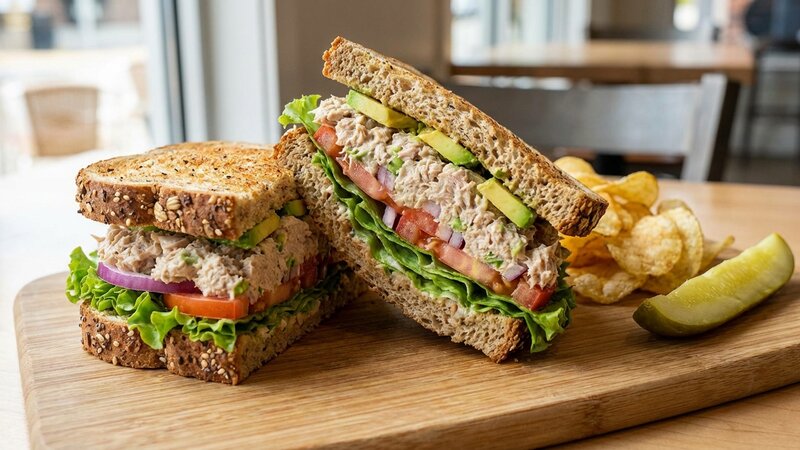
Classic Tuna Salad Variations
Light tuna salad (cutting):
| Ingredient | Calories | Protein |
|---|---|---|
| 1 can tuna (water) | 130 | 37g |
| 2 tbsp Greek yogurt | 20 | 3g |
| 1 tsp Dijon mustard | 5 | 0g |
| Diced celery, onion | 10 | 0g |
| Total | 165 | 40g |
Classic tuna salad (balanced):
| Ingredient | Calories | Protein |
|---|---|---|
| 1 can tuna (water) | 130 | 37g |
| 1.5 tbsp mayo | 135 | 0g |
| Celery, onion | 10 | 0g |
| Total | 275 | 37g |
Rich tuna salad (bulking):
| Ingredient | Calories | Protein |
|---|---|---|
| 1 can tuna (oil, drained) | 280 | 41g |
| 2 tbsp mayo | 180 | 0g |
| 1/4 avocado | 80 | 1g |
| Total | 540 | 42g |
Tuna Meal Prep Ideas
Tuna stuffed avocado:
| Ingredient | Calories | Protein |
|---|---|---|
| 1/2 can tuna | 65 | 18.5g |
| 1/2 avocado | 160 | 2g |
| 1 tbsp salsa | 10 | 0g |
| Total | 235 | 20.5g |
Mediterranean tuna bowl:
| Ingredient | Calories | Protein |
|---|---|---|
| 1 can tuna (water) | 130 | 37g |
| 1/2 cup quinoa | 111 | 4g |
| 1/4 cup chickpeas | 55 | 3g |
| Olives, cucumber, tomato | 50 | 1g |
| 1 tbsp olive oil | 120 | 0g |
| Total | 466 | 45g |
Spicy tuna rice bowl:
| Ingredient | Calories | Protein |
|---|---|---|
| 1 can tuna (water) | 130 | 37g |
| 1 tbsp sriracha mayo | 90 | 0g |
| 1/2 cup rice | 103 | 2g |
| Cucumber, avocado | 100 | 1g |
| Total | 423 | 40g |
Protein-Packed Tuna Snacks
Tuna on crackers:
- 1/2 can tuna + 6 whole wheat crackers
- ~200 calories, 20g protein
Tuna cucumber rounds:
- 1/2 can tuna + 1/2 cucumber
- ~80 calories, 19g protein
Tuna lettuce wraps:
- 1 can tuna + lettuce leaves + mustard
- ~140 calories, 38g protein
Tuna Meal Prep Strategies
Pre-Made Tuna Salad
Batch prep:
- Make 3-4 cans worth of tuna salad
- Store in portions (1 can per container)
- Refrigerate up to 3-4 days
- Use for sandwiches, salads, wraps
Why it works:
- Faster than making fresh each time
- Consistent macros per portion
- Grab-and-go convenience
Tuna Storage Guidelines
| Form | Refrigerator | Pantry |
|---|---|---|
| Unopened can | Not needed | 3-5 years |
| Opened, in container | 3-4 days | N/A |
| Tuna salad | 3-4 days | N/A |
| Fresh tuna (raw) | 1-2 days | N/A |
| Fresh tuna (cooked) | 3-4 days | N/A |
Budget Tuna Tips
Maximize value:
- Buy in bulk (12-packs are cheaper per can)
- Store brands have identical nutrition
- Chunk light is cheaper than albacore
- Watch for sales—stock up when cheap
Cost per 30g protein:
| Brand | Approximate Cost |
|---|---|
| Store brand | $0.60-0.80 |
| Starkist/Bumble Bee | $0.90-1.20 |
| Premium brands | $1.50-2.00 |
Mercury Considerations
Mercury in tuna is a legitimate concern, especially for frequent consumers.
FDA Guidelines
| Tuna Type | Weekly Limit |
|---|---|
| Chunk light (skipjack) | 12 oz (2-3 cans) |
| Albacore (white) | 6 oz (1 can) |
| Fresh yellowfin/bluefin | 6 oz |
Who Should Be More Careful
Limit more strictly:
- Pregnant women
- Nursing mothers
- Young children
Can follow standard guidelines:
- Healthy adults
- Those who vary their fish intake
Reducing Mercury Exposure
- Choose chunk light over albacore
- Rotate protein sources — don’t eat tuna daily
- Vary your fish — salmon, sardines, and tilapia are lower mercury
- Check brands — some test for lower mercury
Tuna vs. Other Proteins
Per 100g (Cooked/Drained)
| Protein | Calories | Protein | Fat | Price/Serving |
|---|---|---|---|---|
| Tuna (water) | 116 | 26g | 0.8g | $0.50-0.75 |
| Chicken breast | 165 | 31g | 3.6g | $1.00-1.50 |
| Salmon | 208 | 20g | 13g | $2.00-3.00 |
| Tilapia | 128 | 26g | 2.6g | $0.75-1.00 |
| Shrimp | 99 | 21g | 1g | $1.50-2.00 |
| Cod | 105 | 23g | 0.9g | $1.00-1.50 |
Tuna advantages:
- Best protein-to-calorie ratio
- Cheapest per gram of protein
- Zero prep required
- Long shelf life
Tuna disadvantages:
- Mercury concerns limit frequency
- Repetitive taste
- Less versatile than chicken
Common Tracking Mistakes
Mistake #1: Not Specifying Water vs. Oil
Tuna in water: 130 cal/can Tuna in oil: 280 cal/can
That’s a 150-calorie difference—more than a full meal’s worth of error if eating multiple cans.
Fix: Always check the can and use the correct database entry.
Mistake #2: Not Draining Properly
“Tuna in oil, drained” assumes you pressed out most oil. A quick drain leaves significant oil behind.
Fix: Press tuna firmly with paper towels, or use the nutrition for “undrained” if you don’t drain well.
Mistake #3: Forgetting Mayo/Dressing Calories
Plain tuna: 130 calories Tuna salad with 2 tbsp mayo: 310 calories
The add-ins often exceed the tuna itself.
Fix: Log every addition—mayo, relish, celery, etc.
Mistake #4: Assuming All Cans Are 5 oz
Can sizes vary: 2.6 oz pouches, 5 oz cans, 12 oz cans.
Fix: Check the can weight and adjust accordingly.
Mistake #5: Ignoring Fresh Tuna Differences
Fresh tuna (especially bluefin) has significantly different macros than canned.
Fix: Use specific entries for the type of tuna you’re eating.
The Bottom Line
Tuna is a macro-counting essential:
- 116 calories per 100g (water) — Among the leanest proteins
- 26g protein per 100g — Excellent protein density
- Zero carbs — Perfect for any low-carb approach
- Affordable — Best budget protein source
Key tracking rules:
- Always specify water vs. oil
- Drain and log accordingly
- Track all add-ins (mayo, etc.)
- Respect mercury limits (2-3 cans/week for light tuna)
Whether you’re cutting and need maximum protein for minimum calories, or just want an easy protein source that requires zero cooking, tuna delivers reliable macros at an unbeatable price.
Related guides:
Related Articles
Dragonfruit Macros: Complete Nutrition Guide for Pitaya
Complete macro breakdown of dragonfruit (pitaya). Learn the calories, protein, carbs, and...
Read guide →
Bulgur Macros: Complete Nutritional Guide & Health Benefits
Discover bulgur's complete macro breakdown, nutritional benefits, and how to incorporate...
Read guide →
Radish Macros: Nutrition Facts and Health Benefits
Complete guide to radish macros and nutrition. Learn calories, protein, carbs, and health...
Read guide →Note: Nutrition values are approximate and may vary based on preparation method and source.