Macros for Powerlifting: Nutrition for Maximum Strength
Reviewed by Dr. Michael Torres, PhD
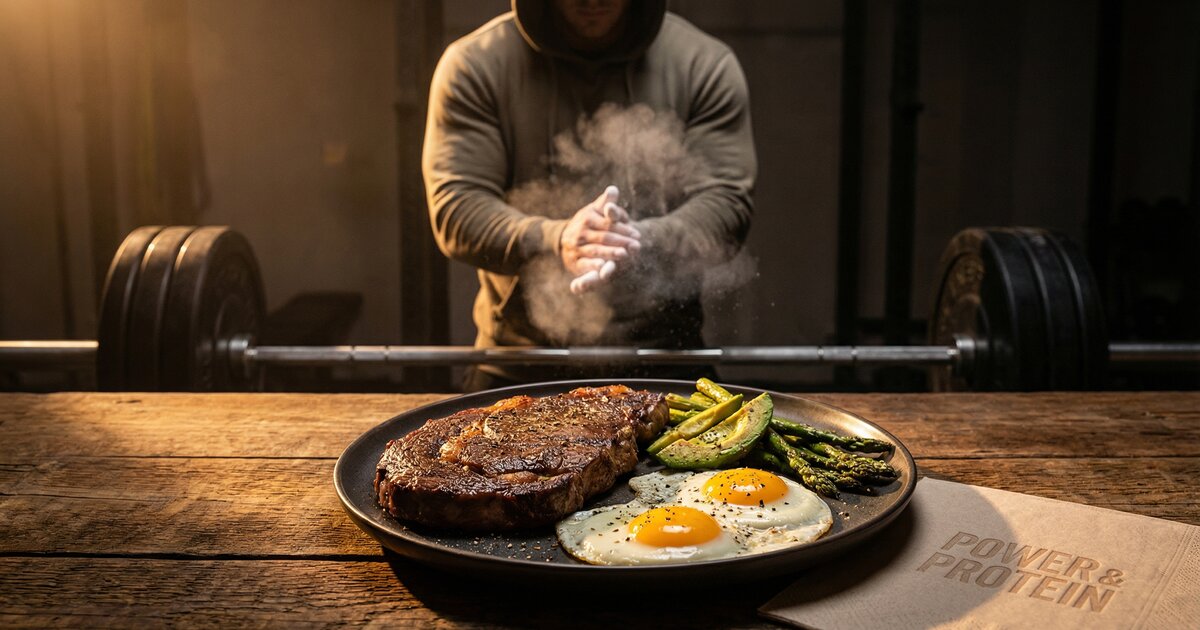
You can follow the perfect program, have elite technique, and train with maximum intensity—but if your nutrition is wrong, you’ll leave pounds on the platform.
Powerlifting is simple: squat, bench, deadlift. Move the most weight possible. But the nutrition that supports maximum strength is anything but simple. You need enough fuel to train hard, enough protein to recover, and the right strategy for your weight class.
This guide breaks down exactly how to set up your macros for powerlifting, whether you’re bulking for strength, cutting for a meet, or maintaining in your ideal weight class.
Ready to dial in your numbers? Start with our macro calculator for a personalized baseline.

Why Nutrition Matters for Strength
Powerlifting isn’t a calorie-burning sport like running. A heavy squat session might only burn 300-400 calories. So why does nutrition matter so much?
The Science of Strength Adaptation
When you lift heavy weights, you’re not just burning calories—you’re creating a specific adaptation stimulus. Your body responds by:
- Repairing muscle tissue — Requires protein and calories
- Strengthening connective tissue — Requires adequate nutrients
- Improving neural efficiency — Supported by overall energy availability
- Building muscle mass — Requires caloric surplus and protein
The key insight: Strength gains happen during recovery, not during training. Your nutrition determines how well you recover—and therefore how much stronger you get.
The Relationship Between Muscle and Strength
More muscle mass generally equals more strength potential. While technique and neural adaptations matter enormously, having more muscle gives you more force-producing capacity.
This is why most powerlifters eventually need to build muscle to keep getting stronger. And building muscle requires:
- A caloric surplus (more energy in than out)
- Adequate protein (building blocks)
- Sufficient carbs (fuel for training and recovery)
- Enough fat (hormones and cellular function)
Why Powerlifters Can’t Just “Eat Everything”
The old-school approach was simple: eat big to get big and strong. The problem? Unchecked eating leads to:
- Excessive body fat that doesn’t lift
- Health issues (blood pressure, blood sugar, sleep apnea)
- Moving up weight classes faster than necessary
- Difficulty making weight for meets
- Reduced relative strength (strength per pound of bodyweight)
The modern approach: Strategic nutrition that maximizes strength while managing body composition intelligently.
Learn the basics in our guide to what macronutrients are.
The Optimal Macro Ratio for Powerlifting
Let’s establish the targets that support maximum strength.
The Evidence-Based Targets
| Macronutrient | Target Range | Notes |
|---|---|---|
| Protein | 1.6-2.2g per kg body weight | Higher end when cutting |
| Carbohydrates | 3-6g per kg body weight | Based on training volume |
| Fat | 0.8-1.2g per kg body weight | Don’t go below 0.5g/kg |
For a 200-pound (90kg) powerlifter:
- Protein: 144-198g per day
- Carbs: 270-540g per day
- Fat: 72-108g per day
- Total: ~2,500-4,000 calories depending on phase
Protein: The Strength Foundation
Protein matters more for powerlifters than almost any other athlete. Why?
- You’re constantly damaging muscle tissue with heavy loads
- Recovery between sessions is critical for progression
- Muscle mass contributes to strength potential
- Protein helps preserve muscle during cuts
The target: 1.6-2.2g per kilogram of body weight
For most powerlifters, that’s approximately 1g per pound of body weight—a simple rule that works well.
When to go higher (2.0-2.2g/kg):
- Cutting for a meet
- In a caloric deficit
- Recovering from injury
- Older athletes (40+)
When lower is fine (1.6-1.8g/kg):
- Bulking with a large surplus
- Younger athletes
- When appetite is limited
Carbohydrates: The Training Fuel
Carbs are the primary fuel for heavy lifting. During a max effort lift, your muscles rely on stored glycogen (carbohydrate) for explosive power.
The benefits of adequate carbs:
- Better performance in training (more reps, heavier weights)
- Faster recovery between sets and sessions
- Muscle-sparing effect (protein used for building, not energy)
- Better mood and mental function
The target: 3-6g per kilogram of body weight
Where in the range?
- Lower volume training (3-4 days, minimal accessories): 3-4g/kg
- Moderate volume (4-5 days, typical programming): 4-5g/kg
- High volume (6+ days, lots of accessories, meet prep): 5-6g/kg
Fat: The Hormone Supporter
Fat is essential for hormone production—including testosterone, which matters for strength. Don’t slash fat too low.
The target: 0.8-1.2g per kilogram of body weight
Minimum: Don’t go below 0.5g/kg or 15% of total calories. Below this, hormone production suffers.
Practical approach: Set protein first, then carbs based on training demands, then fill remaining calories with fat.
Use our TDEE calculator to establish your baseline calorie needs.
Bulking for Strength: How to Gain Muscle and Power
Most powerlifters need to spend significant time in a muscle-building phase to maximize their strength potential.
The Strategic Bulk
The goal: Gain muscle mass with minimal fat gain.
The approach: A controlled caloric surplus that supports muscle growth without excessive fat accumulation.
| Surplus Size | Calories Over Maintenance | Best For |
|---|---|---|
| Aggressive | 500-700+ | Hard gainers, underweight, young athletes |
| Moderate | 300-500 | Most lifters, general growth |
| Conservative | 150-300 | Experienced lifters, those gaining fat easily |
Setting Up Your Bulk
Step 1: Calculate maintenance Use a TDEE calculator or track your intake at stable weight for 2 weeks.
Step 2: Add your surplus Start moderate (300-400 calories) and adjust based on results.
Step 3: Set your macros
For a 180-lb (82kg) lifter bulking at ~3,000 calories:
- Protein: 165g (2.0g/kg) = 660 calories
- Fat: 82g (1.0g/kg) = 738 calories
- Carbs: Remaining calories = ~400g
Step 4: Monitor and adjust
- Weight gain of 0.5-1 lb per week is ideal
- Faster than 1 lb/week = likely too much fat
- No movement after 2+ weeks = increase calories
How Long to Bulk
Timeline considerations:
- Minimum: 3-4 months (enough time to see real progress)
- Optimal: 6-12 months (meaningful muscle gain)
- Maximum: Until body fat gets uncomfortable or a meet approaches
When to end your bulk:
- Body fat reaches 18-22% (subjective threshold)
- You have a meet approaching that requires weight cutting
- You’re ready to compete in a lower weight class
- Health markers (blood pressure, blood sugar) become concerning
Sample Bulking Day
Target: 3,200 calories | 175g protein | 400g carbs | 95g fat
7:00 AM - Breakfast
- 4 whole eggs scrambled
- 3 slices toast with butter
- Large glass orange juice
- Macros: 65g carbs, 28g protein, 28g fat
10:00 AM - Mid-Morning Snack
- Greek yogurt with granola and banana
- Macros: 60g carbs, 20g protein, 8g fat
1:00 PM - Lunch
- 8 oz chicken breast
- 2 cups rice
- Mixed vegetables
- Macros: 80g carbs, 55g protein, 10g fat
4:30 PM - Pre-Training Snack
- Protein bar
- Banana
- Macros: 50g carbs, 22g protein, 8g fat
6:00 PM - Post-Training Shake
- Protein powder with milk and oats
- Macros: 45g carbs, 35g protein, 8g fat
8:00 PM - Dinner
- 8 oz ribeye steak
- Large baked potato with butter and sour cream
- Side salad
- Macros: 60g carbs, 50g protein, 30g fat
10:00 PM - Evening Snack
- Cottage cheese with peanut butter
- Macros: 15g carbs, 35g protein, 12g fat
Daily Totals: ~375g carbs, 245g protein, 104g fat (~3,400 calories)
Read our complete guide to macros for muscle gain for more on optimizing muscle growth.
Cutting for Competition: Making Weight Without Losing Strength
Making weight is part of competitive powerlifting. The goal: get as light as possible while keeping (or even improving) strength.
The Powerlifting Cut Philosophy
Key principle: The slower the cut, the less strength you lose.
Aggressive diets destroy strength because:
- Muscle loss accelerates with large deficits
- Glycogen depletion impacts training quality
- Hormonal disruption affects recovery
- Mental fatigue affects focus and effort
The target deficit: 300-500 calories per day (0.5-1% body weight per week)
Macro Adjustments During Cutting
| Macro | Cutting Target | Rationale |
|---|---|---|
| Protein | 2.0-2.4g/kg | Higher to preserve muscle |
| Carbs | 2-4g/kg | Reduced but prioritized around training |
| Fat | 0.7-1.0g/kg | Sufficient for hormones, reduced for deficit |
Example: 200-lb lifter cutting to 181
- Maintenance: ~3,200 calories
- Cutting: ~2,700 calories
- Protein: 190g (2.1g/kg current weight)
- Carbs: 280g (prioritize pre/post training)
- Fat: 70g (sufficient for hormones)
The Weight Cut Timeline
12+ weeks out: Gradual fat loss
- Normal training, moderate deficit
- Target: Lose 8-12 lbs through true fat loss
- Maintain training intensity and volume
4-8 weeks out: Continue controlled cut
- Adjust macros as weight drops
- May reduce training volume slightly
- Keep intensity high
1-2 weeks out: Taper and water management
- Reduce training volume significantly
- Consider water loading/depletion protocol
- Low-fiber, easily digestible foods
24-48 hours out: Final water cut (if competing with 24-hour weigh-in)
- Only for experienced lifters
- Cut water weight (sauna, reduced fluid intake)
- Potentially lose 2-5% body weight in water
Weigh-in to competition: Rehydrate and refuel
- Aggressive rehydration
- High-carb, moderate-protein foods
- Return to normal weight
Foods That Help You Cut
High-volume, low-calorie foods:
- Vegetables (all types)
- Lean proteins (chicken breast, white fish, egg whites)
- Berries
- Watermelon
Protein sources for cutting:
- Chicken breast (31g protein per 4 oz, ~130 calories)
- Egg whites (3.6g protein per white, ~17 calories)
- White fish (20g protein per 4 oz, ~90 calories)
- Fat-free Greek yogurt (17g protein per cup, ~120 calories)
Sample Cutting Day
Target: 2,400 calories | 190g protein | 240g carbs | 65g fat
7:00 AM - Breakfast
- 3 whole eggs + 3 egg whites scrambled
- 2 slices toast
- Macros: 30g carbs, 35g protein, 18g fat
10:00 AM - Snack
- Protein shake
- Apple
- Macros: 30g carbs, 25g protein, 2g fat
1:00 PM - Lunch
- 8 oz chicken breast
- 1.5 cups rice
- Large portion vegetables
- Macros: 55g carbs, 55g protein, 8g fat
4:30 PM - Pre-Training
- Rice cakes with honey
- Macros: 35g carbs, 2g protein, 0g fat
7:00 PM - Post-Training Dinner
- 6 oz salmon
- 1.5 cups sweet potato
- Steamed broccoli
- Macros: 50g carbs, 40g protein, 16g fat
9:30 PM - Evening Snack
- Fat-free Greek yogurt
- Berries
- Macros: 25g carbs, 20g protein, 0g fat
Daily Totals: ~225g carbs, 177g protein, 44g fat (~2,020 calories)
Weight Class Strategy: Finding Your Division
Choosing the right weight class is a strategic decision that affects your competitive success.
The Weight Class Decision
Factors to consider:
- Your natural weight — Where does your body want to be?
- Body composition — How much muscle vs. fat at your current weight?
- Cutting tolerance — How much can you cut without losing strength?
- Competition goals — Local meets vs. national/world level
- Long-term development — Where will you be in 2-5 years?
When to Move Up a Weight Class
Signs you should move up:
- Constantly struggling to make weight
- Significant strength loss when cutting
- Walking around 15%+ above class limit
- Health issues from repeated cuts
- Room to add muscle mass
Benefits of moving up:
- More muscle mass potential
- Less stress from weight cuts
- Better meet-day energy
- Long-term health
When to Move Down a Weight Class
Signs you might benefit from moving down:
- Carrying significant body fat
- Walking around just barely above current class
- Strong relative strength (Wilks/Dots) suggesting you’d be competitive lighter
- Motivated for a successful cut
Risks of moving down:
- Strength loss if cut is too aggressive
- Less muscle mass
- Constant restriction
Weight Class Nutrition Strategies
For lifters maintaining within a class:
- Stay 5-8% above class limit
- Minimal water cut needed
- Sustainable long-term nutrition
For lifters between classes:
- Decide: bulk up or cut down
- Avoid “no man’s land” (too light for one, too heavy for another)
- Commit to a direction
Read our guide on the best macro ratio for fat loss for cutting strategies.
Recovery Nutrition for Strength Athletes
Powerlifting beats up your body. Heavy squats and deadlifts create significant systemic stress. Recovery nutrition helps you bounce back faster.
The Recovery Priorities
- Protein for muscle repair — Every meal should have substantial protein
- Carbs for glycogen — Replenish muscle energy stores
- Sleep support — Certain nutrients aid sleep quality
- Inflammation management — Anti-inflammatory foods help recovery
Post-Training Recovery
Immediate (within 30-60 minutes):
- 30-50g protein
- 50-80g carbohydrates
- Easy to digest (shake, simple foods)
Full meal (within 2-3 hours):
- Complete meal with protein, carbs, vegetables
- Don’t stress exact timing—total daily intake matters most
Recovery-Boosting Foods
Anti-inflammatory options:
- Fatty fish (salmon, sardines, mackerel)
- Berries (blueberries, tart cherries)
- Leafy greens
- Turmeric/ginger
- Olive oil
- Nuts
Sleep-supporting options:
- Tart cherry juice (natural melatonin)
- Casein protein before bed (slow-digesting)
- Magnesium-rich foods (dark chocolate, spinach, almonds)
- Complex carbs at dinner
Rest Day Nutrition
Rest days don’t require the same fuel as training days, but recovery is still happening.
Adjustments:
- Reduce carbs slightly (training fuel not needed)
- Maintain protein (recovery is happening)
- Focus on nutrient-dense whole foods
- Slightly lower total calories (200-300 less than training days)
Common Powerlifting Nutrition Mistakes
Mistake #1: Dirty Bulking
Eating everything in sight leads to:
- Excessive fat gain
- Moving up weight classes too fast
- Health problems
- Harder cuts later
Fix: Track your intake. A moderate surplus builds muscle without unnecessary fat.
Mistake #2: Aggressive Cutting Before Meets
Rapid weight loss destroys strength:
- Muscle loss
- Glycogen depletion
- Hormonal disruption
- Mental fatigue
Fix: Plan ahead. Start cutting 12+ weeks out for significant weight loss.
Mistake #3: Neglecting Carbs
Low-carb diets impair strength training:
- Reduced training performance
- Slower recovery
- Impaired muscle protein synthesis (needs carbs to maximize)
Fix: Carbs are not the enemy. They fuel your training.
Mistake #4: Protein Paranoia (Too Much or Too Little)
Too little: Recovery suffers, strength stalls Too much: Wastes calories that could be carbs, expensive
Fix: Hit 1.6-2.2g/kg and don’t stress beyond that.
Mistake #5: Ignoring Hydration
Dehydration impairs strength, recovery, and cognitive function.
Fix: Drink consistently throughout the day. Urine should be light yellow.
See our guide on common macro tracking mistakes for more pitfalls to avoid.
Frequently Asked Questions
How many calories do powerlifters need?
Powerlifters typically need maintenance calories plus adjustments for goals. For bulking, add 300-500 calories above maintenance. For cutting, subtract 300-500. A 200-lb male powerlifter might need 2,800-3,500 calories for maintenance, depending on training volume and metabolism.
What is the best macro ratio for powerlifting?
Most powerlifters thrive on approximately 25-30% protein, 40-50% carbohydrates, and 20-30% fat. In grams, that’s roughly 1.8-2.2g protein per kg, 4-6g carbs per kg, and 0.8-1.2g fat per kg of body weight.
How much protein do powerlifters need?
Powerlifters need 1.6-2.2 grams of protein per kilogram of body weight daily. For a 200-lb lifter, that’s approximately 145-200g of protein. Go higher when cutting to preserve muscle mass.
Should powerlifters do keto?
Ketogenic diets can work for powerlifting but are suboptimal for most. Carbohydrates fuel high-intensity training and support recovery. Some lifters perform well on low-carb, but most see better results with moderate-to-high carb intake.
How do I cut weight for a powerlifting meet?
Start 12+ weeks out with a moderate deficit (300-500 calories). Keep protein high (2.0-2.4g/kg) to preserve muscle. Lose weight gradually through fat loss, then use water manipulation techniques only in the final 24-48 hours if competing with a 24-hour weigh-in.
What should I eat before a powerlifting meet?
The night before, eat a familiar meal with moderate carbs, protein, and low fiber. After weigh-in, rehydrate aggressively and consume high-carb foods. Before lifting, have easily digestible carbs 2-3 hours before your first attempt. Many lifters snack on simple sugars between lifts.
How do I choose my weight class?
Consider your natural body weight, body composition, how you feel at different weights, and your competitive goals. Generally, compete at the class where you’re 5-8% above the limit while lean. Avoid being too light in a class (leaving muscle on the table) or too heavy (constant hard cuts).
Do powerlifters need supplements?
Food first, always. Useful supplements for powerlifters include creatine monohydrate (well-researched for strength), protein powder (convenience), caffeine (performance), and potentially vitamin D and fish oil depending on diet and sun exposure. Most other supplements are unnecessary.
Should I eat differently on rest days?
Slightly. Reduce carbohydrates since you don’t need training fuel, but maintain protein for ongoing recovery. Total calories can drop 200-400 from training days. Focus on nutrient-dense whole foods.
How do I eat for a meet day with multiple lifts?
After weigh-in, rehydrate and consume high-carb foods. Throughout the day, eat small, easily digestible snacks every 1-2 hours—bananas, rice cakes, sports drinks, simple sugars. Avoid heavy meals that make you sluggish. Many lifters keep candy on hand for quick energy between lifts.
Your Powerlifting Nutrition Action Plan
Step 1: Determine your phase
- Building strength/muscle: Moderate surplus
- Maintaining: Maintenance calories
- Cutting for a meet: Controlled deficit
Step 2: Calculate your macros Use our macro calculator for a baseline, then adjust:
- Protein: 1.6-2.2g/kg
- Carbs: 3-6g/kg based on volume
- Fat: 0.8-1.2g/kg
Step 3: Time your nutrition
- Pre-training: Carbs + protein 2-4 hours before
- Post-training: Protein + carbs within 1-2 hours
- Daily: Spread protein across 4-5 meals
Step 4: Monitor and adjust
- Bulking: Aim for 0.5-1 lb per week gain
- Cutting: Aim for 0.5-1% body weight loss per week
- Track strength—if it’s dropping, adjust nutrition
Step 5: Plan for competition
- Start cuts early (12+ weeks for significant weight loss)
- Practice your weigh-in and meet-day nutrition
- No experiments on competition day
Strength is built in the kitchen as much as the gym. Get your nutrition right, and the weights will move.
Related guides: How to Track Your Macros | Macros for Muscle Gain | High-Protein Macro Meals
Related Articles
Travel Macros: How to Track Nutrition While Traveling
Complete guide to managing macros while traveling. Learn meal planning strategies,...
Read guide →
Macros for Shift Workers: Complete Guide to Nutrition on Rotating Schedules
Master macro tracking on night shifts and rotating schedules. Learn meal timing, sleep...
Read guide →
Macros During Ramadan: Complete Nutrition Guide for Fasting
Learn how to track macros during Ramadan fasting. Expert guide covering meal timing,...
Read guide →Disclaimer: This content is for informational purposes only. Consult a healthcare provider before making changes to your diet.