Reverse Dieting: Eat More Without Gaining Fat
Reviewed by Dr. Michael Torres, PhD
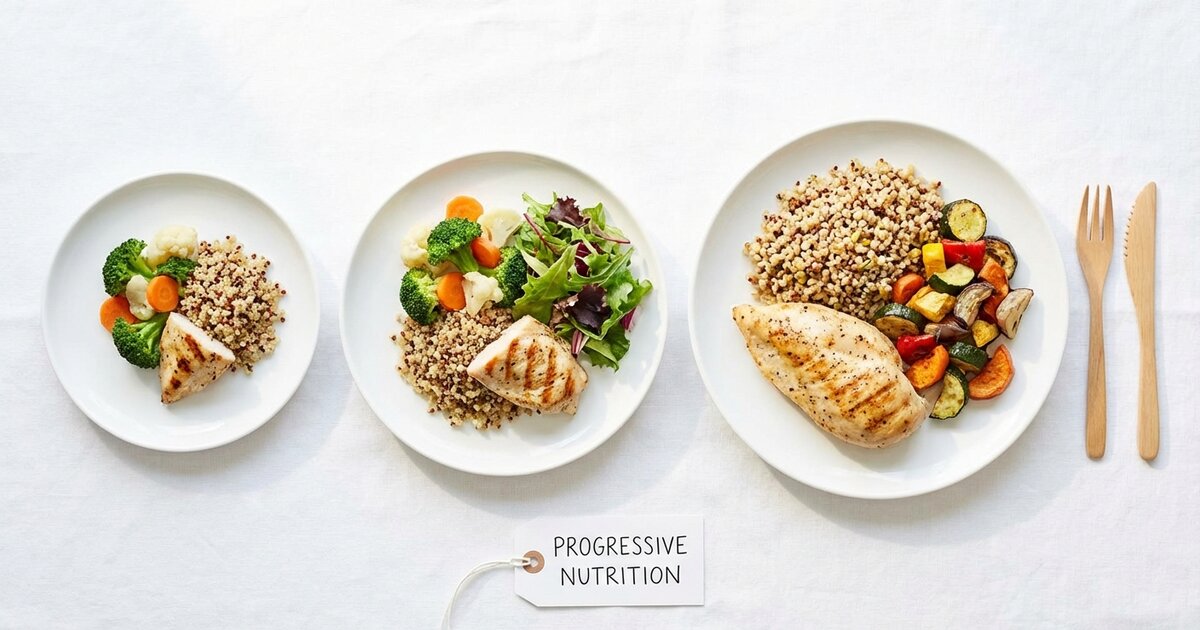
Related: Learn the optimal macros for muscle gain and flexible dieting principles.
What Is Reverse Dieting?
Reverse dieting is the strategic, gradual increase of calories after a dieting phase. Instead of immediately jumping back to maintenance calories (or worse, to unrestricted eating), you slowly add 50-150 calories per week over several weeks or months.
Think of it as the intelligent transition between “diet mode” and normal eating. It’s how you preserve your fat loss results while restoring normal metabolic function.
The problem reverse dieting solves: When you’ve been in a caloric deficit, your body adapts. Your metabolism slows. Your hunger hormones increase. Your activity unconsciously decreases. If you suddenly jump to higher calories, your adapted body stores much of that extra energy as fat—undoing weeks or months of hard work.
Reverse dieting prevents the “rebound” that causes most dieters to regain weight (and often more) after a cut.
Ready to calculate your maintenance calories to reverse diet toward? Use our Macro Calculator set to “Maintain Weight.”

Why Your Body Needs a Reverse Diet
To understand why reverse dieting works, you need to understand what happens during prolonged dieting:
Metabolic Adaptation Is Real
When you eat fewer calories than you burn for extended periods, your body adapts to survive on less. This isn’t “starvation mode” myth—it’s well-documented science:
1. Reduced NEAT (Non-Exercise Activity Thermodynamics) You unconsciously move less. Fidgeting decreases. Steps drop. You sit more. This can account for 200-400 fewer calories burned daily.
2. Lower Thyroid Output T3 (active thyroid hormone) decreases during dieting, reducing your metabolic rate. This helps your body conserve energy but slows fat loss.
3. Hormonal Changes
- Leptin (the “satiety hormone”) drops
- Ghrelin (the “hunger hormone”) increases
- Cortisol (stress hormone) may elevate
- Testosterone and estrogen can be affected
4. Reduced Thermic Effect of Food With less food coming in, your body spends fewer calories on digestion.
5. Lower Exercise Performance You have less energy, recover slower, and burn fewer calories during workouts.
The combined effect: By the end of a diet, you might be burning 15-25% fewer calories than predicted by your new, lower body weight. This is called “adaptive thermogenesis.”
What Happens If You Don’t Reverse Diet
Let’s say you’ve been dieting at 1,600 calories. Your pre-diet maintenance was 2,400, but after adaptations, your actual current maintenance might be only 1,900 calories.
Scenario 1: Jump straight to 2,400 calories You’re suddenly eating 500+ calories above your adapted maintenance. Your body, primed to store energy, quickly converts excess to fat. Within weeks, you’ve regained significant weight—often more than you lost.
Scenario 2: Go back to “normal” unrestricted eating Even worse. Without tracking, most people significantly overeat after restriction. Combine this with a suppressed metabolism, and rapid regain is almost guaranteed.
Scenario 3: Reverse diet gradually You slowly increase calories, giving your metabolism time to upregulate. NEAT increases, thyroid normalizes, hormones rebalance. By the time you reach your true maintenance, your body can actually handle those calories without storing excess fat.
Who Needs to Reverse Diet?
Definitely Should Reverse Diet:
- Anyone coming off a fat loss phase (8+ weeks of deficit)
- Competition prep athletes (bodybuilders, physique competitors)
- People who’ve lost 10+ lbs through dieting
- Chronic dieters who’ve restricted for years
- Anyone feeling metabolic fatigue (low energy, poor recovery, constant hunger)
May Benefit From Reverse Dieting:
- People ending short diets (4-8 weeks) with moderate deficits
- Those who want to transition to maintenance gradually
- Anyone worried about post-diet weight regain
May Not Need Full Reverse Diet:
- Short, mild diets (2-4 weeks, small deficit)
- Those who tracked throughout and know their true maintenance
- People comfortable with slight initial water weight gain
How to Reverse Diet: Step-by-Step
Here’s the complete process for an effective reverse diet:
Step 1: Know Your Starting Point
Before increasing calories, know where you’re starting:
Current dieting calories: The calorie intake you’ve been eating during your cut Current macros: Your protein, carb, and fat breakdown Current body metrics: Weight, measurements, progress photos
Example:
- Cutting calories: 1,600
- Current weight: 155 lbs
- Macros: 155g protein, 130g carbs, 55g fat
Step 2: Estimate Your True Maintenance
Your maintenance has likely decreased due to:
- Lower body weight (you burn fewer calories being lighter)
- Metabolic adaptation (your body became more efficient)
Quick estimation:
- Take your current body weight × 13-14 for a sedentary-to-moderate lifestyle
- Or: Add 400-700 calories to your cutting calories
Example:
- 155 lbs × 14 = 2,170 calories
- Or: 1,600 + 500 = 2,100 calories
- Estimated maintenance: ~2,100-2,200 calories
This is your target endpoint for the reverse diet.
Step 3: Plan Your Weekly Increases
Decide how aggressively to increase:
| Approach | Weekly Increase | Duration to Add 500 cal | Best For |
|---|---|---|---|
| Conservative | 50-75 cal/week | 7-10 weeks | Very lean, long dieters, worried about regain |
| Moderate | 100 cal/week | 5 weeks | Most people, balanced approach |
| Aggressive | 150 cal/week | 3-4 weeks | Short dieters, high activity, eager to build |
My recommendation: Start moderate (100 cal/week) unless you have a specific reason for conservative or aggressive.
Step 4: Add Calories in the Right Order
Week by week, increase calories from:
Priority 1: Carbohydrates
- Carbs are the most metabolically active macro
- They fuel activity and support thyroid function
- They refill depleted muscle glycogen
- They’re satisfying and support training
Priority 2: Fats (after carbs are reasonable)
- Once carbs are around 1.5-2g per pound, add some fat
- Fat supports hormones that may have been suppressed
- Provides satiety and meal enjoyment
Priority 3: Protein (usually stays the same)
- Keep protein steady at 0.8-1g per pound
- No need to increase protein during reverse diet
- Extra calories should come from carbs and fats
Example weekly progression (100 cal/week increase):
| Week | Calories | Protein | Carbs | Fat |
|---|---|---|---|---|
| 1 (End of cut) | 1,600 | 155g | 130g | 55g |
| 2 | 1,700 | 155g | 155g | 55g |
| 3 | 1,800 | 155g | 180g | 55g |
| 4 | 1,900 | 155g | 200g | 58g |
| 5 | 2,000 | 155g | 215g | 62g |
| 6 | 2,100 | 155g | 230g | 65g |
| 7 (Maintenance) | 2,100 | 155g | 230g | 65g |
Step 5: Monitor and Adjust
Track these metrics weekly:
- Body weight (daily, compare weekly averages)
- Measurements (weekly)
- Progress photos (every 2 weeks)
- Energy levels (subjective but important)
- Training performance (should improve)
Expected changes:
- Scale weight will increase initially (water, glycogen, food volume)
- This is NOT fat—don’t panic
- Energy and training should improve
- Hunger should gradually normalize
- Minimal visual changes to body composition
Step 6: Reach and Maintain
Once you reach your estimated maintenance:
- Hold at this level for 2-4 weeks
- Confirm weight stabilizes
- Assess how you feel
- Decide your next phase (maintain, bulk, or mini-cut)
Sample Reverse Diet Timeline
Here’s a complete 8-week reverse diet example:
Starting Point
- Current weight: 155 lbs
- Cutting calories: 1,600
- Estimated maintenance: 2,100
- Approach: Moderate (100 cal/week)
Week 1-2: Initial Increase
Calories: 1,700 → 1,800 Additions: +50g carbs total (25g per week)
What to expect:
- Scale may jump 1-3 lbs (water/glycogen)
- This is normal—don’t reduce calories
- Energy may start improving slightly
- Continue current training
Week 3-4: Building Momentum
Calories: 1,900 → 2,000 Additions: +50g more carbs, +7g fat
What to expect:
- Weight stabilizes or increases slowly
- Energy noticeably improved
- Training performance increasing
- Hunger normalizing
Week 5-6: Approaching Maintenance
Calories: 2,000 → 2,100 Additions: +25g carbs, +7g fat
What to expect:
- Body adapting well to increased food
- Should feel strong in workouts
- Mood and sleep improved
- Weight relatively stable
Week 7-8: Stabilization
Calories: 2,100 (maintenance) Hold at this level
What to expect:
- Weight stabilizes around new maintenance
- Energy levels feel normal
- Training performance at full capacity
- Ready for next phase
Total Results
- Started: 1,600 calories
- Ended: 2,100 calories
- Time: 8 weeks
- Calories added: 500
- Estimated fat gain: Minimal (0-2 lbs if done correctly)
- Metabolism: Restored
Reverse Diet Meal Plan Examples
End of Cut (1,600 calories)
Breakfast: Egg whites + 1 whole egg, 1/2 cup oatmeal (350 cal) Lunch: 5oz chicken, large salad, 1/2 cup rice (400 cal) Snack: Greek yogurt + berries (150 cal) Dinner: 5oz fish, vegetables, small potato (350 cal) Evening: Protein shake (150 cal)
Mid-Reverse (1,900 calories)
Breakfast: Egg whites + 2 whole eggs, 3/4 cup oatmeal, fruit (450 cal) Lunch: 6oz chicken, large salad, 1 cup rice (500 cal) Snack: Greek yogurt + granola + berries (250 cal) Dinner: 5oz fish, vegetables, medium potato (400 cal) Evening: Protein shake + banana (250 cal)
At Maintenance (2,100 calories)
Breakfast: 3 eggs, 1 cup oatmeal, fruit, tbsp peanut butter (550 cal) Lunch: 6oz chicken, large salad, 1.5 cups rice (550 cal) Snack: Greek yogurt + granola + berries (300 cal) Dinner: 6oz salmon, vegetables, large potato (450 cal) Evening: Protein bar or shake (200 cal)
Notice how the same basic foods are used—just increasing portions and adding more carbs/fats.
Managing Weight Fluctuations
The scale WILL go up during a reverse diet. Here’s how to handle it:
Understanding Water and Glycogen
When you increase carbs, your body:
- Refills muscle glycogen (stored carbs in muscles)
- Retains water (each gram of glycogen holds 3-4g water)
- Has more food volume in your digestive system
This can easily add 3-7 lbs that looks like “weight gain” but is NOT fat.
How to Know It’s Not Fat
Signs it’s water/glycogen (normal):
- Weight jumps quickly (within days)
- Measurements stay the same
- You look the same or slightly fuller/tighter
- The increase happened after adding carbs
Signs it might be fat (adjust):
- Weight increasing steadily week after week beyond initial jump
- Measurements increasing
- You look softer/less defined
- Pants feeling tighter
What to Do
If weight jumps initially: Stay the course. This is expected. Give it 1-2 weeks to stabilize.
If weight keeps climbing after stabilization: You’re increasing too fast. Hold calories for a week or reduce weekly increases.
If you panic and cut calories: Don’t. This defeats the purpose. Trust the process for at least 2 weeks before making changes.
Common Reverse Dieting Mistakes
Mistake #1: Increasing Too Fast
The most common error. Jumping up 300-500 calories weekly leads to fat gain. Your metabolism can’t adapt that quickly.
Fix: Stick to 50-150 cal/week increases. Patience pays off.
Mistake #2: Panicking at Scale Weight
The scale will go up. This scares people into cutting calories again, which defeats the entire purpose.
Fix: Focus on weekly averages, measurements, and photos—not daily scale weight. Understand that initial weight gain is water and glycogen.
Mistake #3: Adding Calories from Junk Food
“I get to eat more, so I’ll just add treats!” This adds calories without supporting metabolic recovery.
Fix: Increase primarily from quality carbs and fats. Some treats are fine, but prioritize nutrient-dense foods that support your body.
Mistake #4: Reducing Activity
Some people reduce exercise during reverse dieting, thinking “I’m recovering.” But activity is part of your TDEE calculation.
Fix: Maintain similar activity levels. If anything, increased energy should support better training.
Mistake #5: Not Tracking Properly
“I’m eating more, so I don’t need to track as carefully.” But imprecise tracking leads to uncontrolled increases.
Fix: Track just as carefully during reverse dieting as during cutting. Know exactly what you’re adding.
Mistake #6: Stopping Too Early
Some people reverse for 2-3 weeks, feel okay, and stop. But they haven’t fully recovered their metabolism.
Fix: Complete the full reverse to maintenance, then hold there for 2-4 weeks before deciding next steps.
Special Situations
Reverse Dieting After Competition Prep
Physique competitors face unique challenges:
- Extremely low body fat
- Months of aggressive dieting
- Significant metabolic adaptation
- Strong psychological pressure to stay lean
Recommendations:
- Expect more weight gain (and accept it)
- Reverse more slowly (75-100 cal/week)
- Take longer (10-16 weeks)
- Consider working with a coach
- Prioritize mental health
The “post-show rebound” is notorious. Proper reverse dieting minimizes it.
Reverse Dieting After Chronic Dieting
If you’ve dieted on and off for years:
- Your metabolism may be significantly suppressed
- You may need a longer reverse (12+ weeks)
- You may need to spend extended time at maintenance
- Consider psychological support for diet recovery
Adjusting Macros When You Hit a Plateau
Reverse Dieting Before Bulking
If your goal after cutting is to bulk:
- Reverse diet to maintenance first
- Hold at maintenance for 4-6 weeks
- Then add surplus for bulking
Don’t jump straight from cut to bulk. Your metabolism needs time at maintenance before efficiently using surplus calories for muscle growth.
Macros for Bulking: Complete Guide
After the Reverse Diet: What’s Next?
Once you’ve successfully reverse dieted to maintenance:
Option 1: Maintain
Stay at maintenance calories for an extended period. Benefits:
- Solidify your new body composition
- Give your body and mind a break
- Build sustainable eating habits
- Assess if you’re happy with current physique
Option 2: Lean Bulk
If you want to build muscle:
- Add 200-300 calories above maintenance
- Focus on strength training
- Expect slow, steady weight gain (0.5-1 lb/week)
Option 3: Mini-Cut
If you gained slightly more than intended:
- Short 4-6 week cut
- Moderate deficit
- Lose the small amount gained
- Then return to maintenance
Option 4: Recomposition
If you’re near maintenance and want subtle improvements:
- Eat at maintenance
- Train hard with progressive overload
- Slowly build muscle while maintaining weight
- Results are slow but steady
Reverse Dieting FAQ
How do I know when I’ve reached maintenance?
Your weight stabilizes for 2+ weeks while eating the same calories. Energy is good, training performance is solid, and you’re not constantly hungry.
Can I reverse diet without tracking?
Possible but harder. Without tracking, it’s difficult to make the precise, gradual increases needed. I recommend tracking through the reverse, then transitioning to intuitive eating afterward if desired.
What if I’m still hungry at maintenance?
Hunger often persists for weeks after a diet ends as hormones rebalance. If you’re at true maintenance and still hungry, ensure you’re eating enough protein and fiber, and give it time. Hunger typically normalizes within 4-8 weeks at maintenance.
Should I change my training during reverse dieting?
Keep training similar but expect performance to improve as calories increase. This is a great time to push for PRs and progressive overload. Don’t reduce training volume thinking you need to “recover.”
Can I do cardio during reverse dieting?
Yes, but don’t increase it. Maintain similar activity levels to what you did during your cut. As calories increase, you may naturally have more energy for training.
The Psychology of Reverse Dieting
The physical process is straightforward. The mental challenge is harder.
Accepting Scale Increases
After working hard to see the scale go down, watching it go up feels wrong. Remember:
- Initial increases are water and glycogen, not fat
- Long-term metabolic health is more important than short-term scale numbers
- You’re investing in sustainable results
Letting Go of Diet Mentality
If you’ve been dieting for months, eating more feels uncomfortable. Common thoughts:
- “I should be eating less”
- “This is too much food”
- “I’m going to get fat”
These are diet thoughts, not reality. Challenge them. You deserve to eat adequate calories.
Trusting the Process
Reverse dieting requires faith in the process even when the scale moves the “wrong” direction. Trust the science. Metabolic adaptation is real, and so is metabolic recovery.
Putting It All Together
Reverse dieting is simple in concept but requires patience in execution:
- Know your starting point (current calories, weight, macros)
- Estimate maintenance (where you’re headed)
- Plan weekly increases (50-150 cal/week, primarily carbs)
- Track and monitor (weight, measurements, energy)
- Stay patient (8-12 weeks typically)
- Reach and hold maintenance (2-4 weeks minimum)
Done correctly, reverse dieting allows you to eat significantly more while maintaining your fat loss results. You restore metabolic function, normalize hunger, improve energy, and set yourself up for long-term success—whether that’s maintenance, muscle building, or future fat loss phases.
Ready to calculate your maintenance target? Use our Macro Calculator set to “Maintain Weight.”
Related Resources
Related Articles
Travel Macros: How to Track Nutrition While Traveling
Complete guide to managing macros while traveling. Learn meal planning strategies,...
Read guide →
Macros for Shift Workers: Complete Guide to Nutrition on Rotating Schedules
Master macro tracking on night shifts and rotating schedules. Learn meal timing, sleep...
Read guide →
Macros During Ramadan: Complete Nutrition Guide for Fasting
Learn how to track macros during Ramadan fasting. Expert guide covering meal timing,...
Read guide →Disclaimer: This content is for informational purposes only. Consult a healthcare provider before making changes to your diet.